Han Ho’s Perpetual Quest for Illumination
Exhibition: Nov 21st - Dec 10th, 2025
Opening Reception: November 21 (4:00-7:00pm)
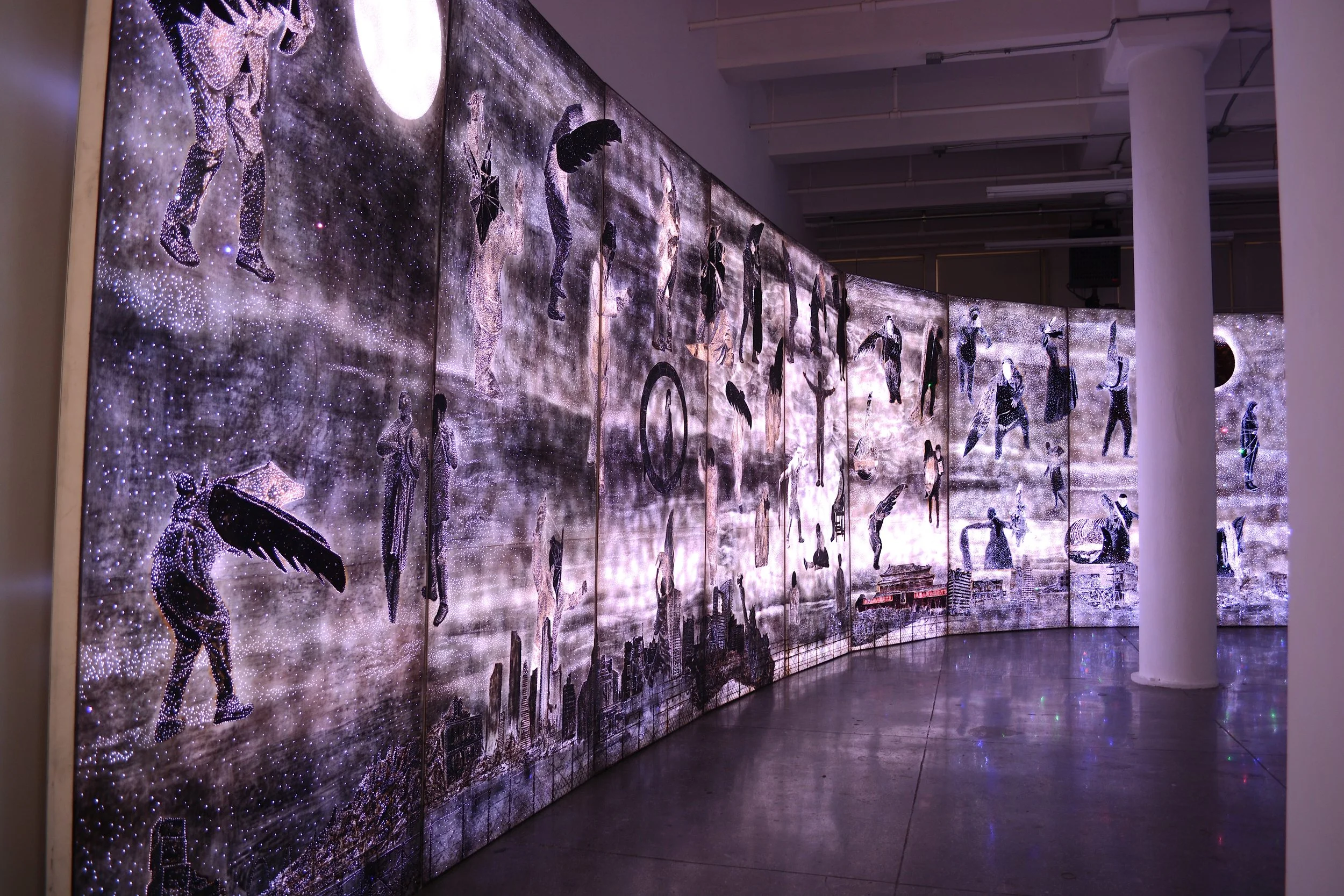
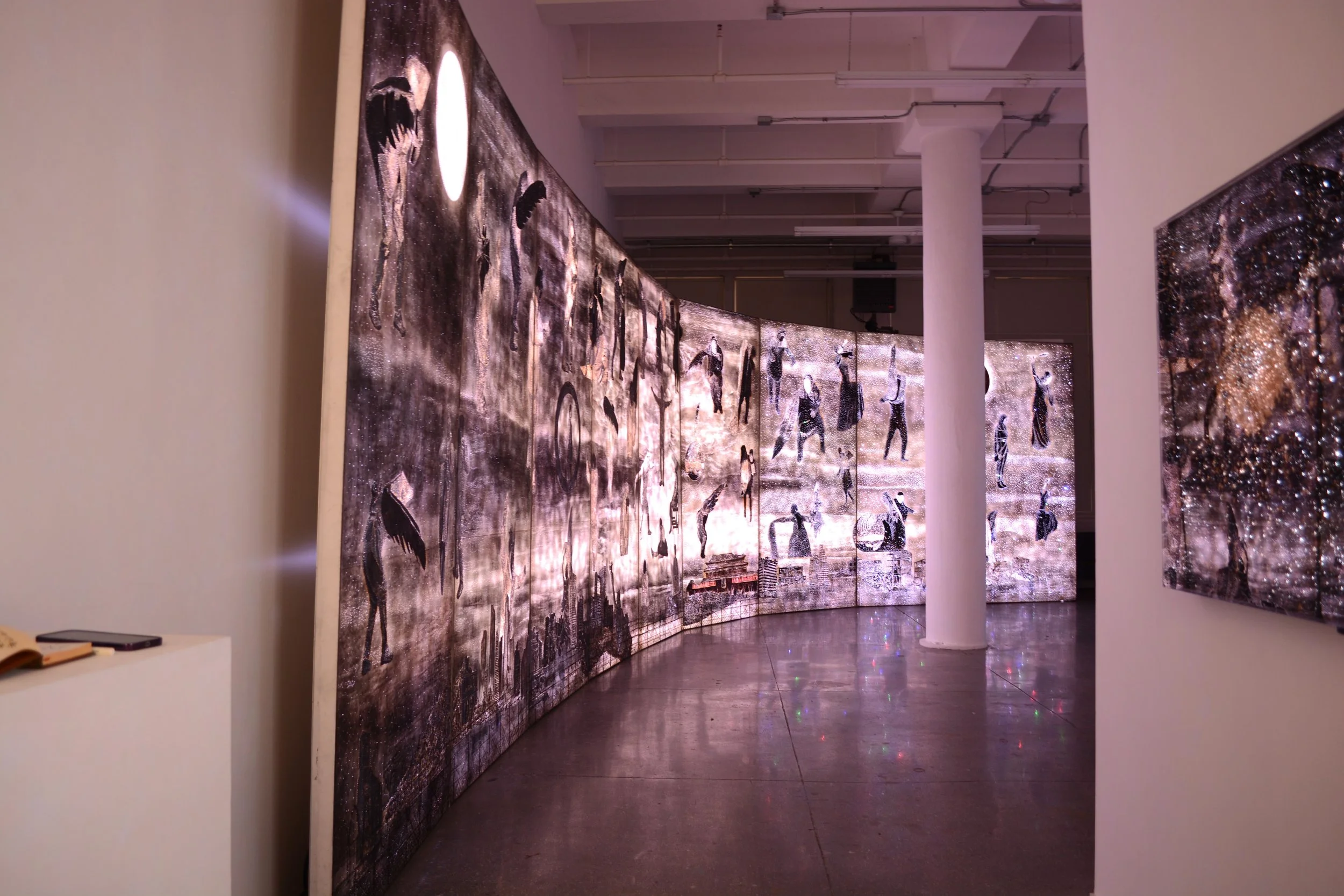
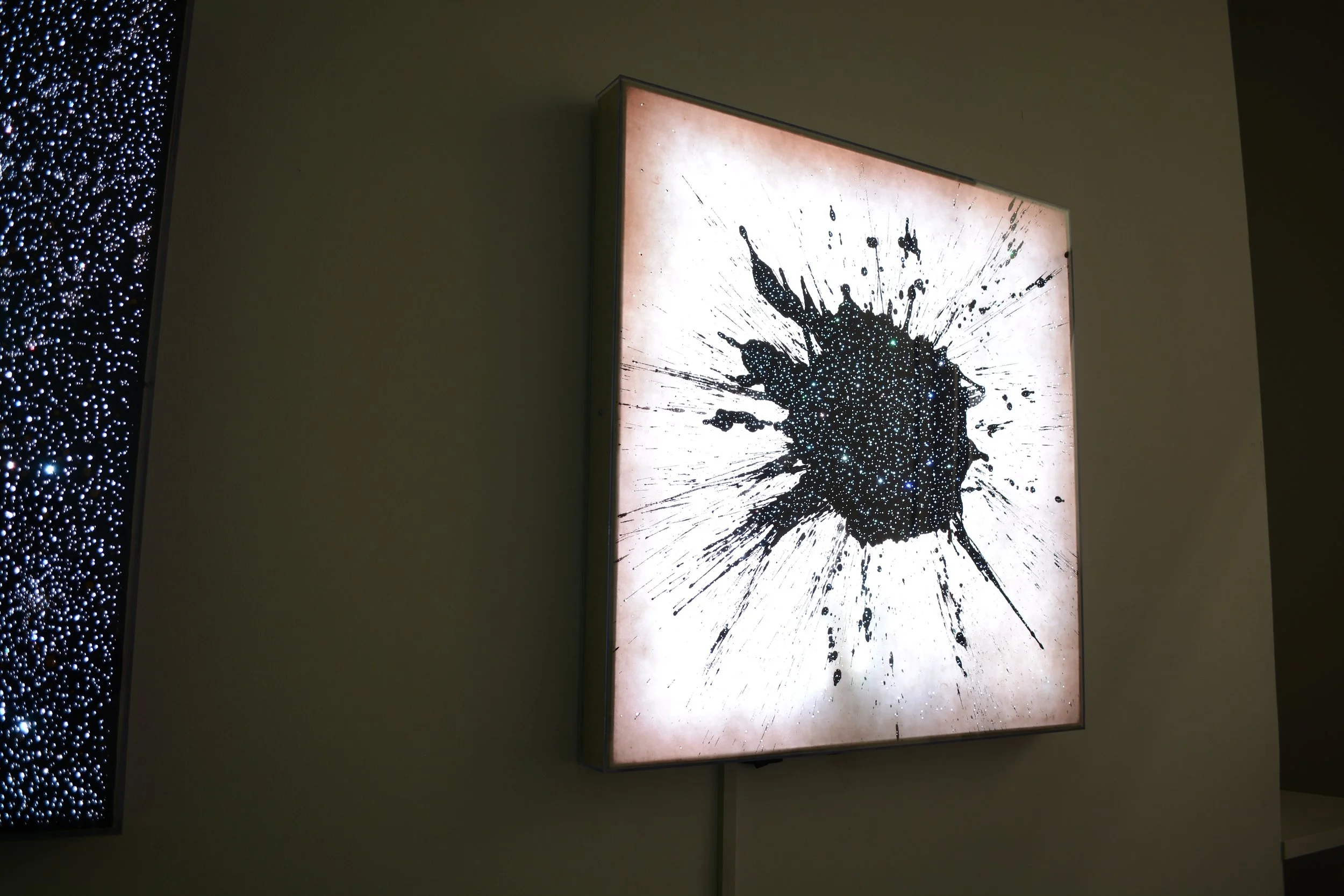
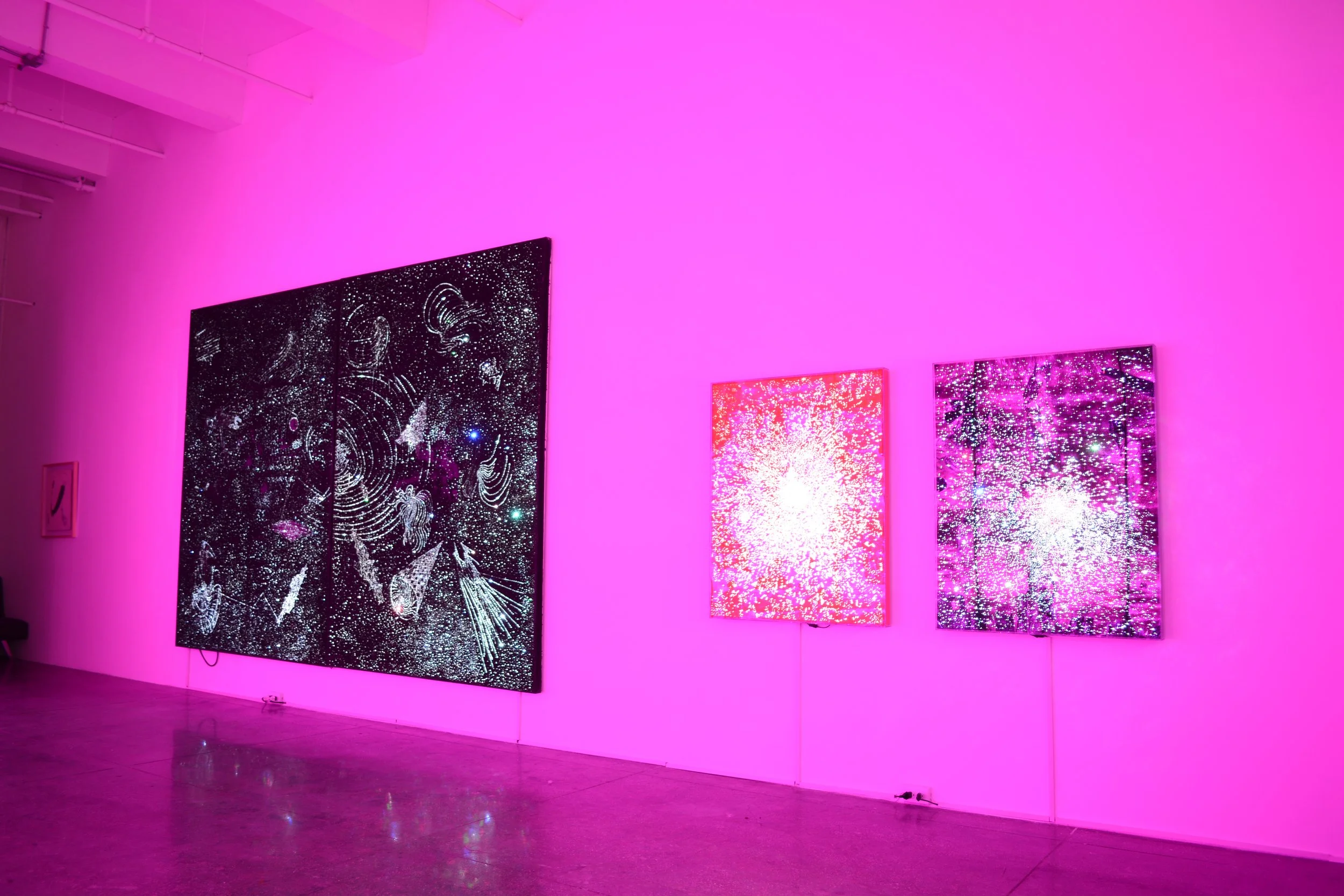
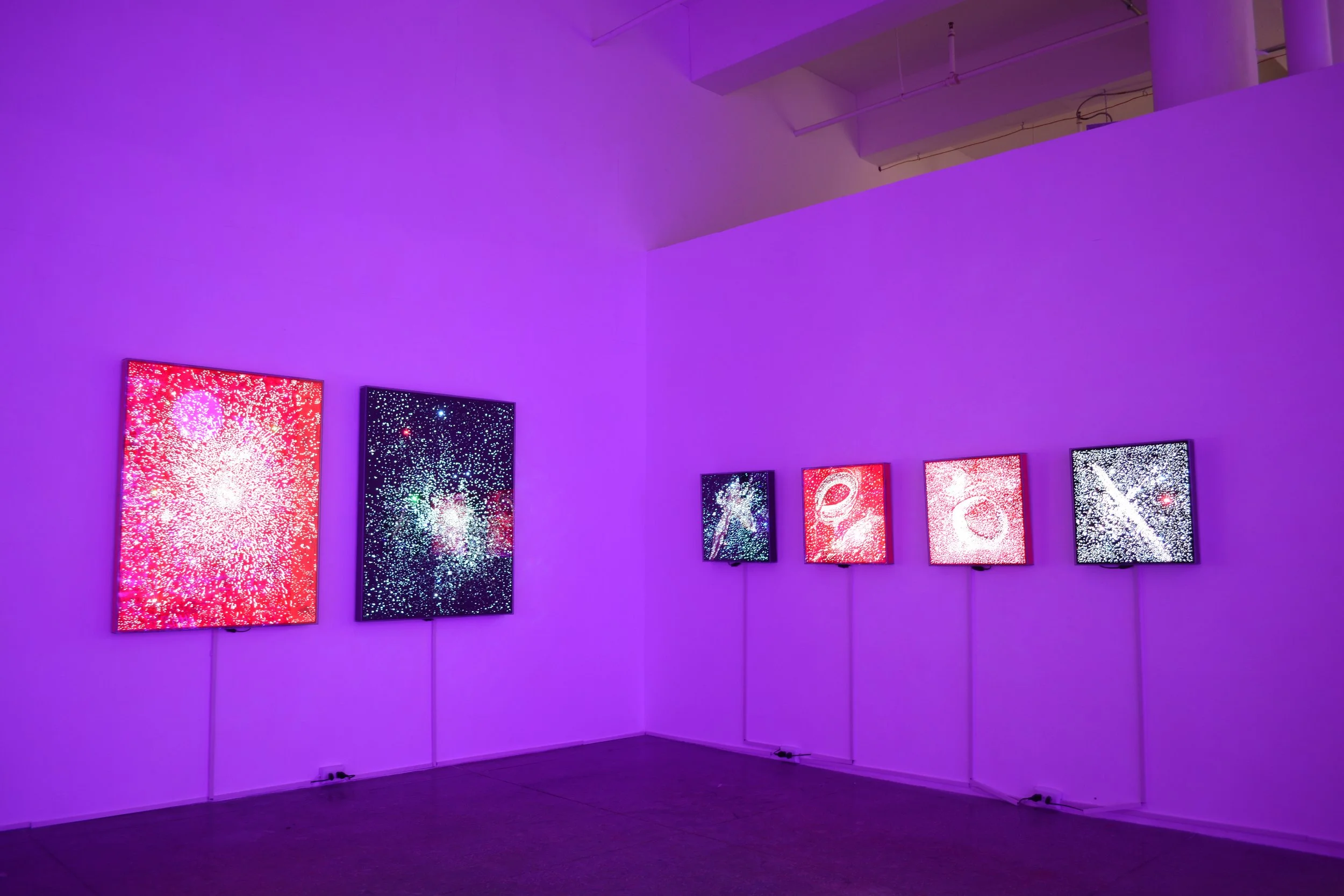
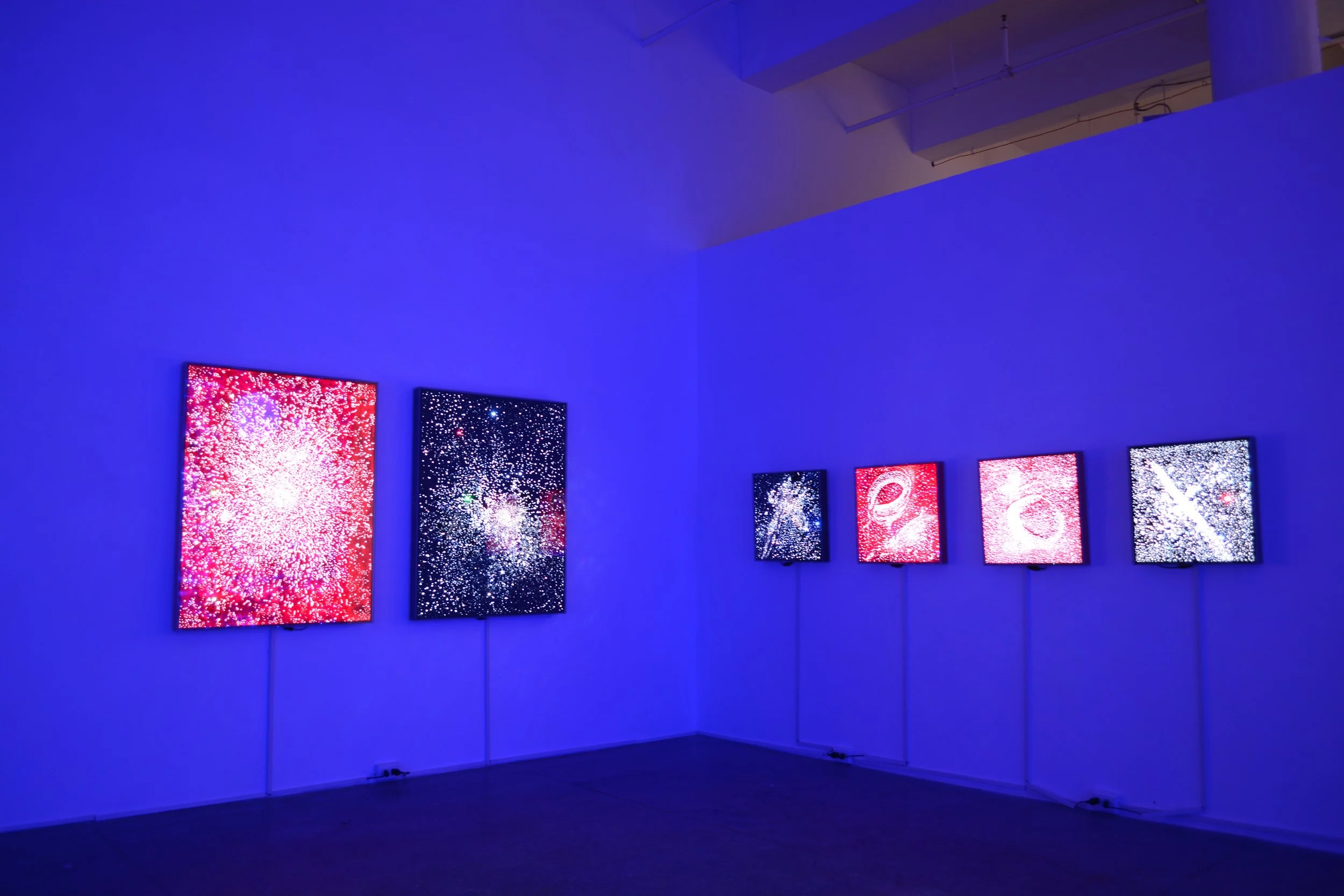
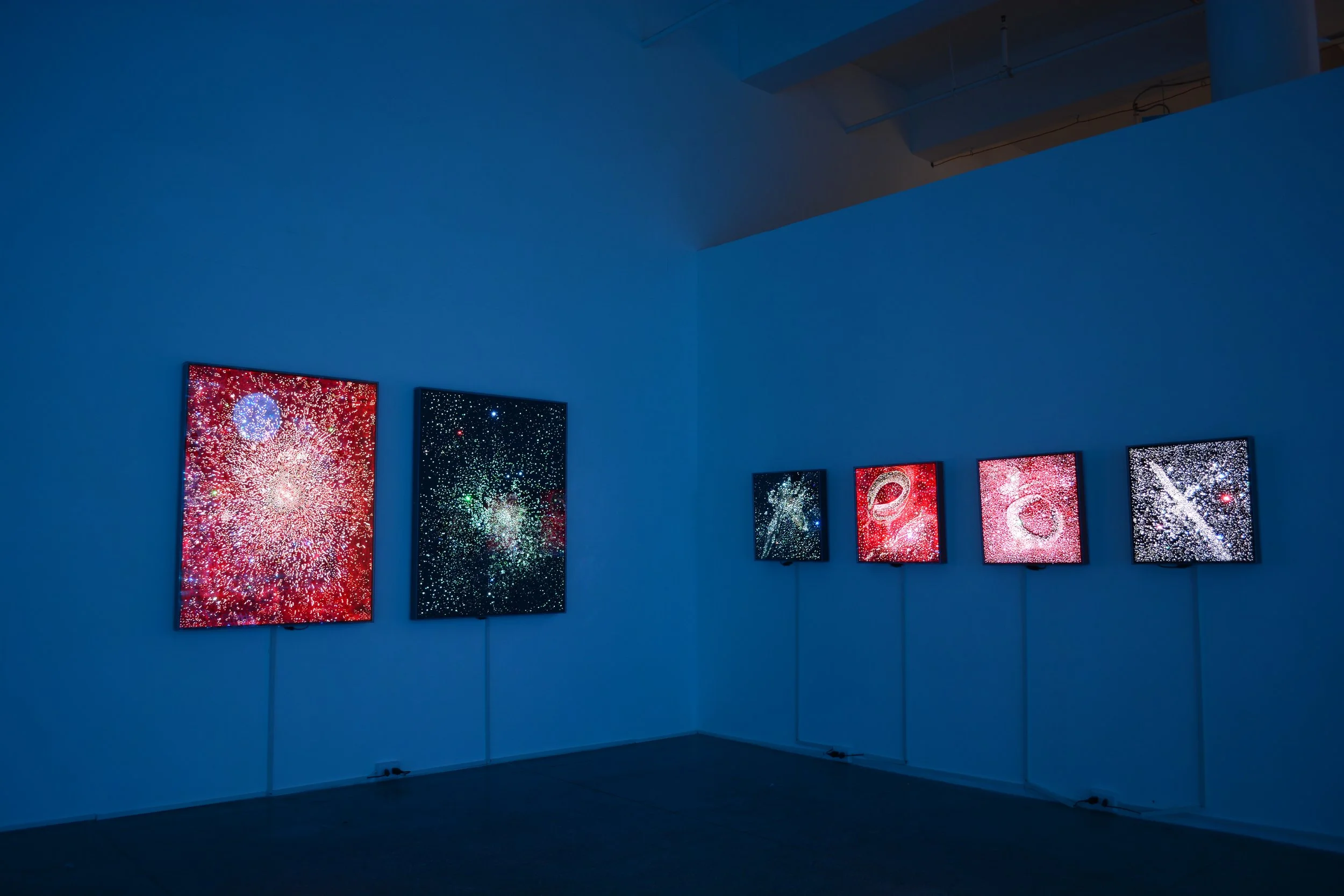
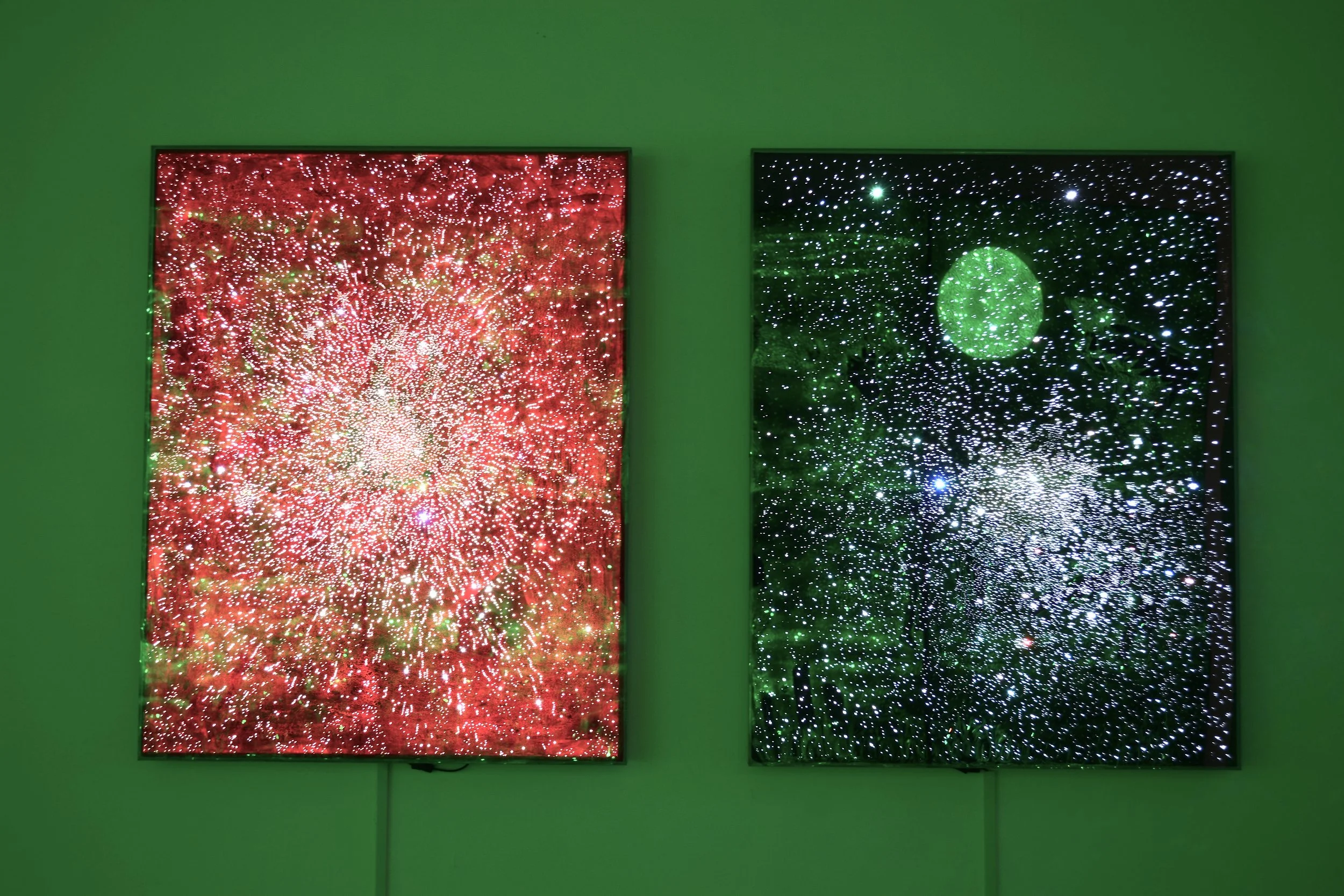
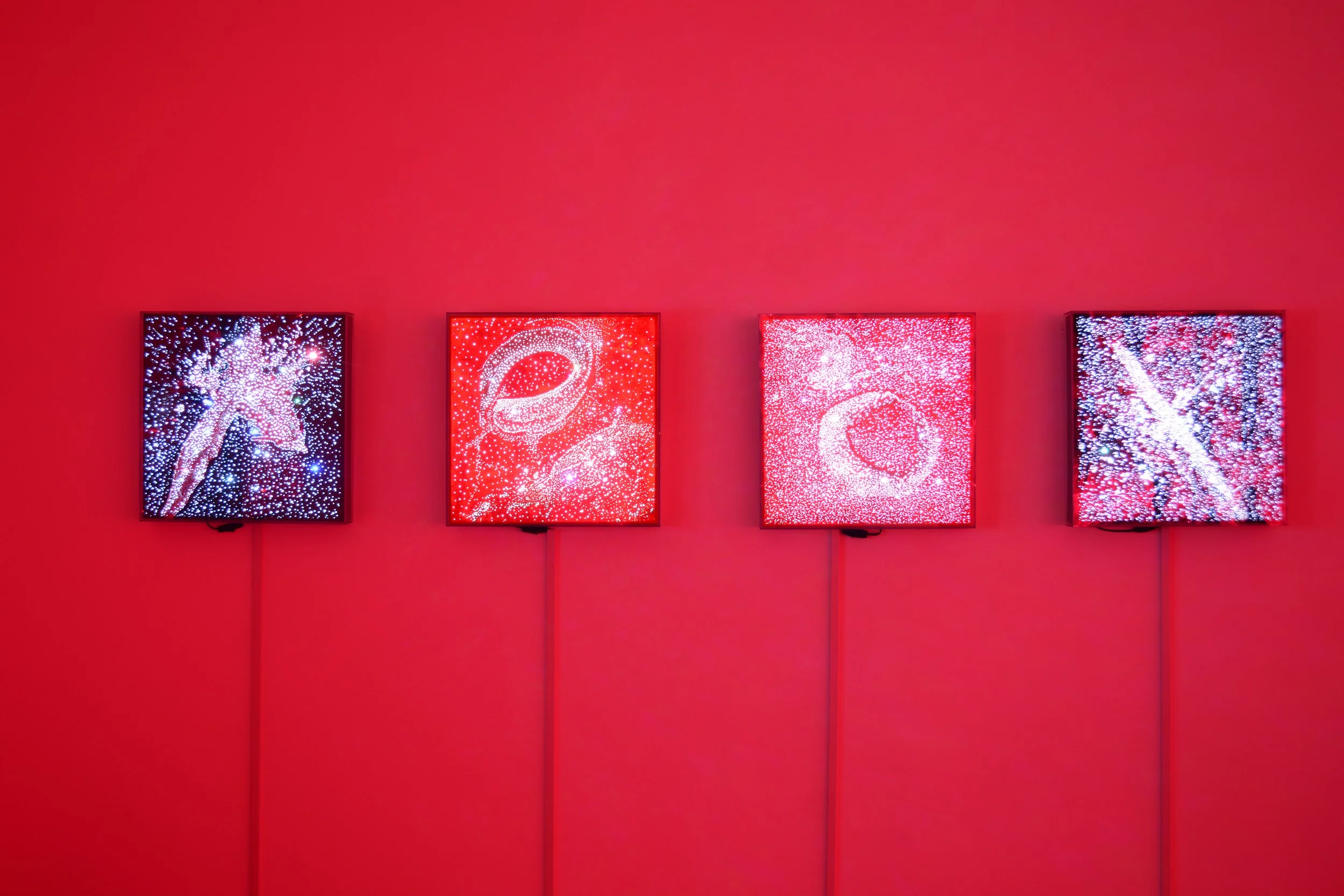
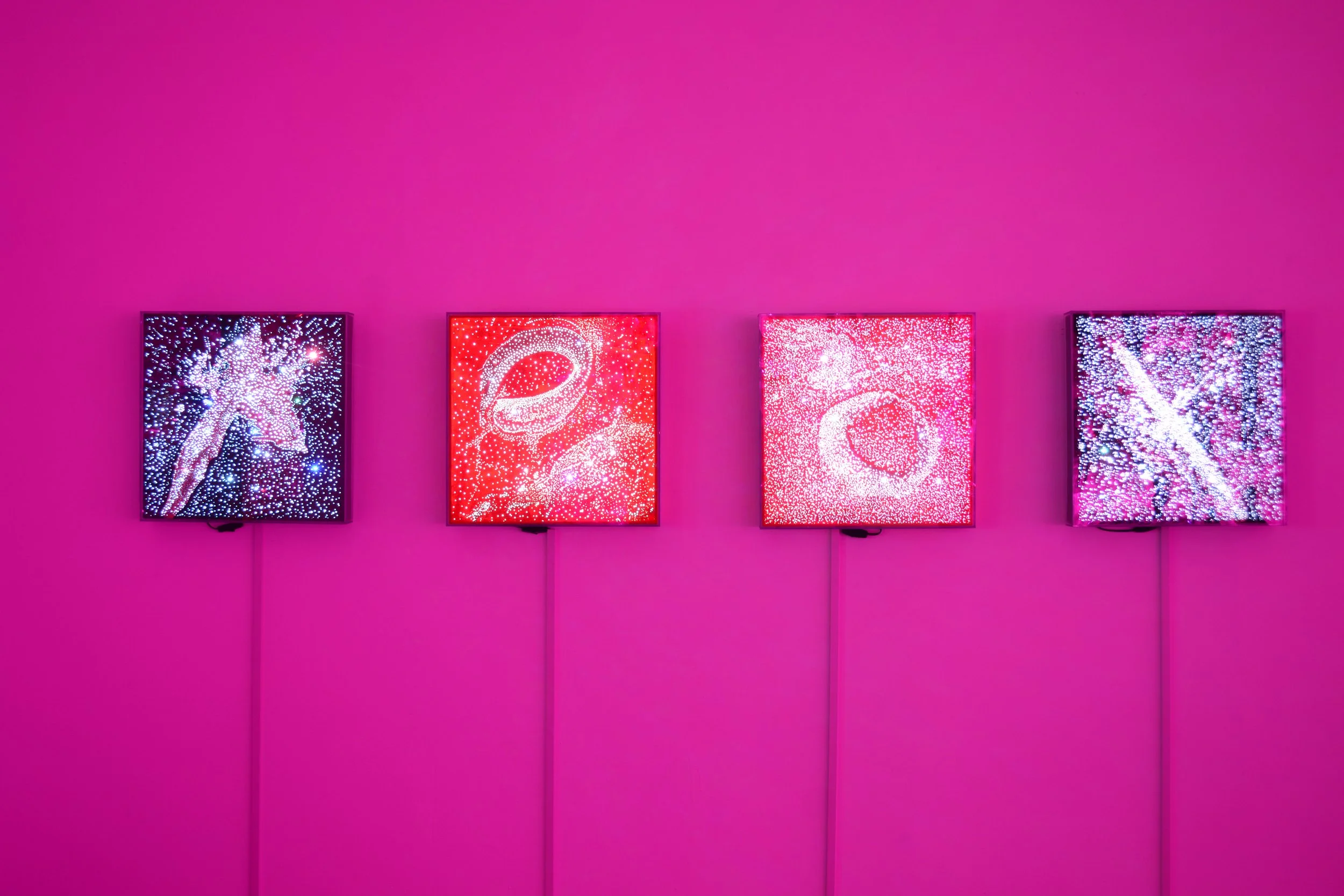
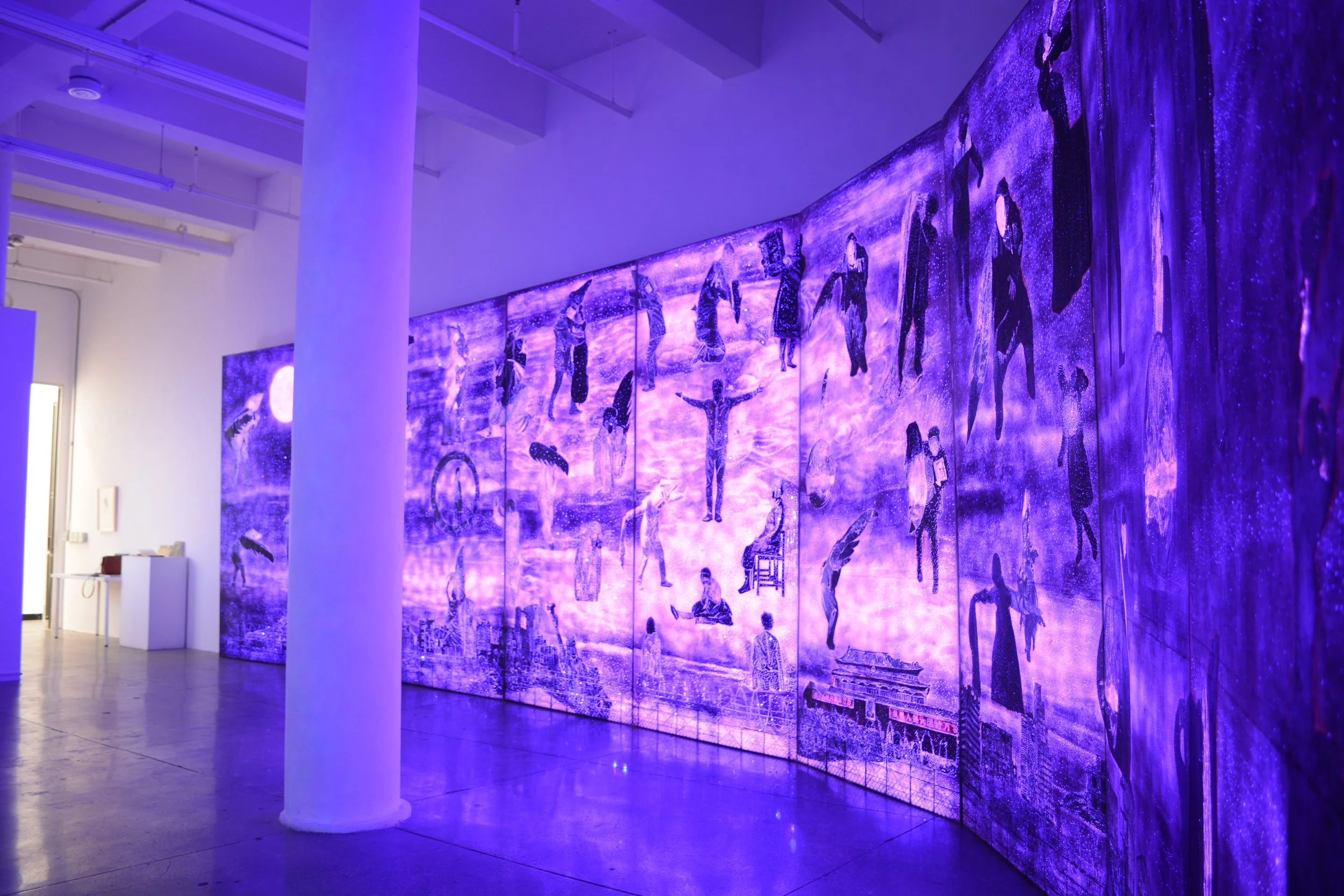
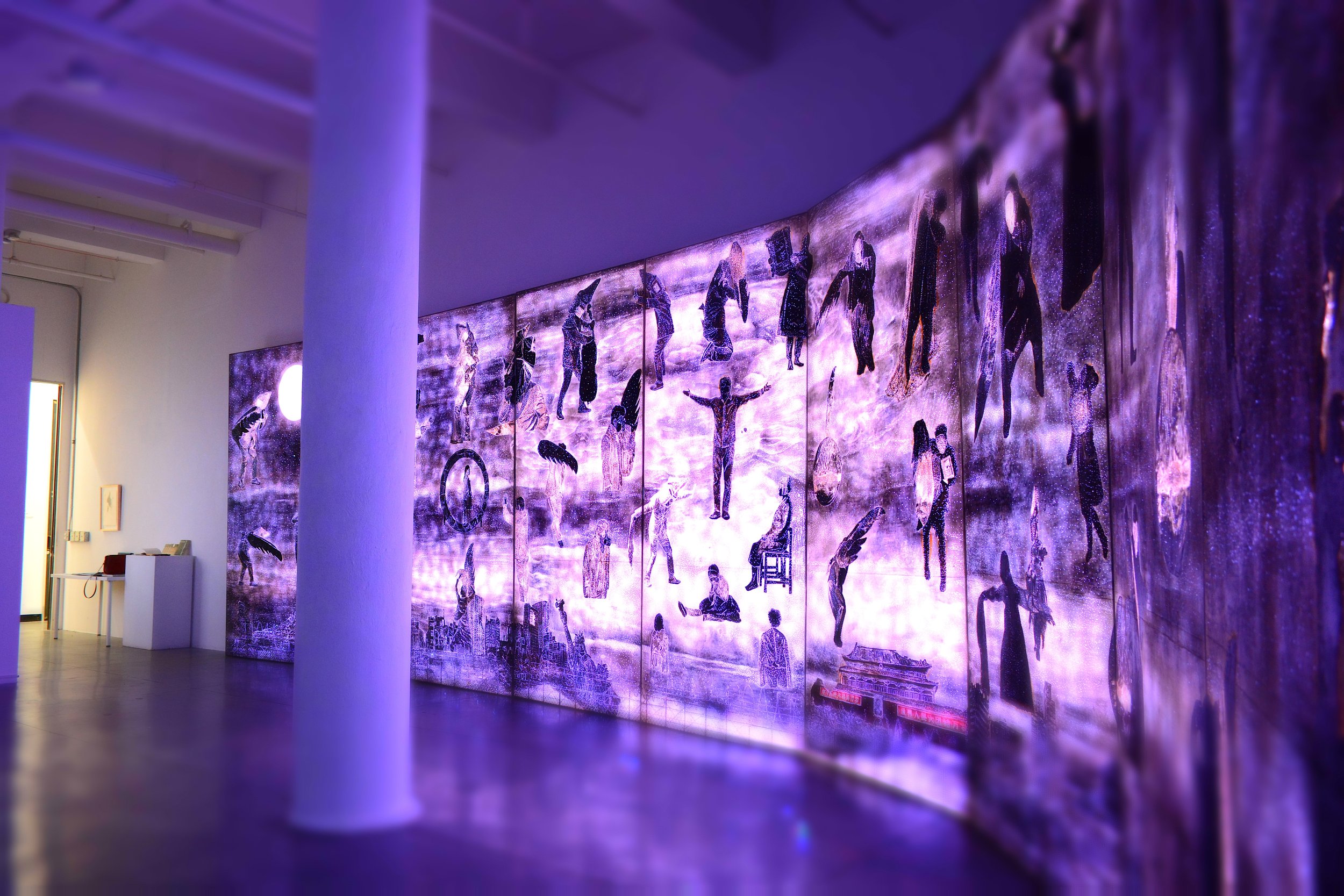
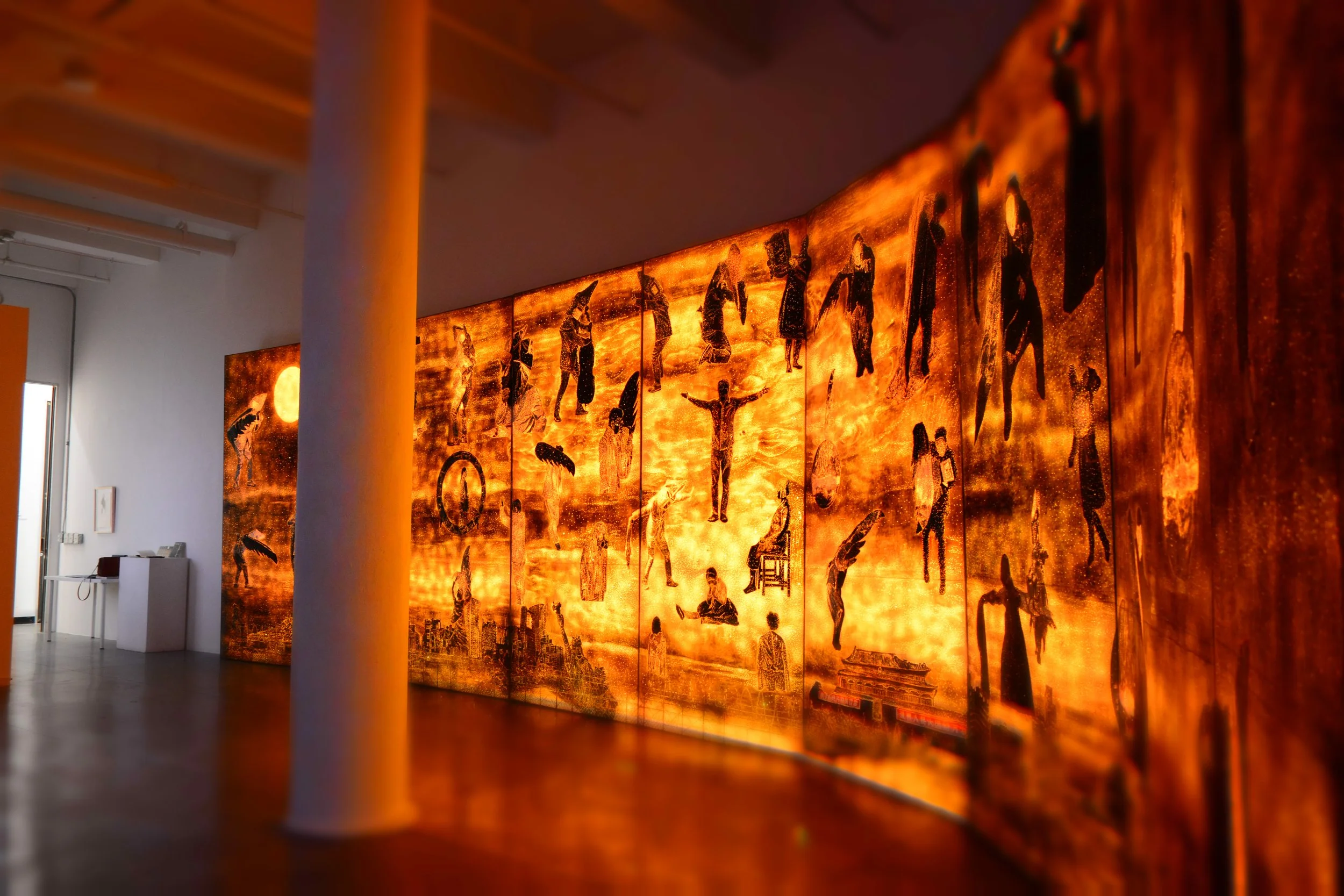
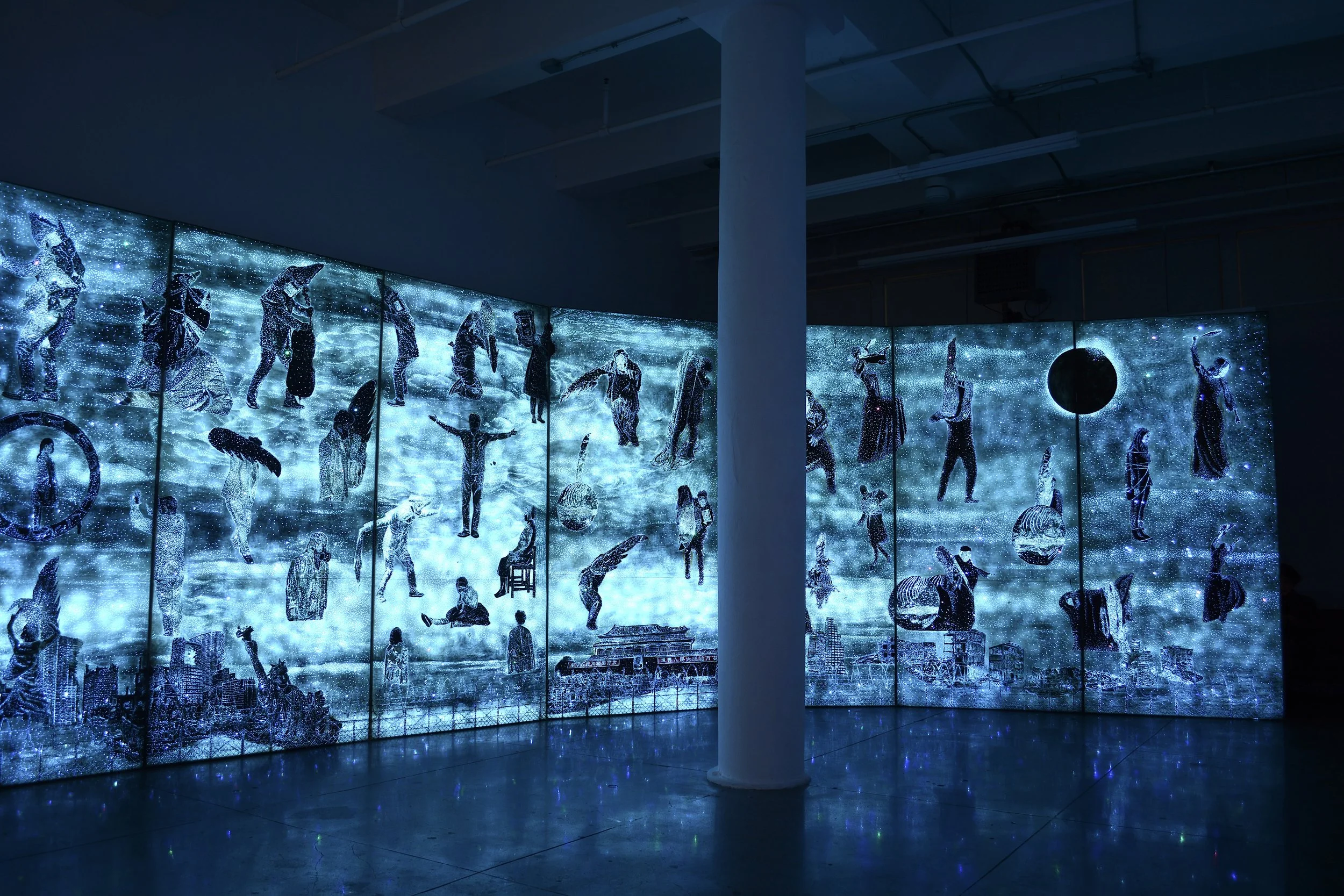
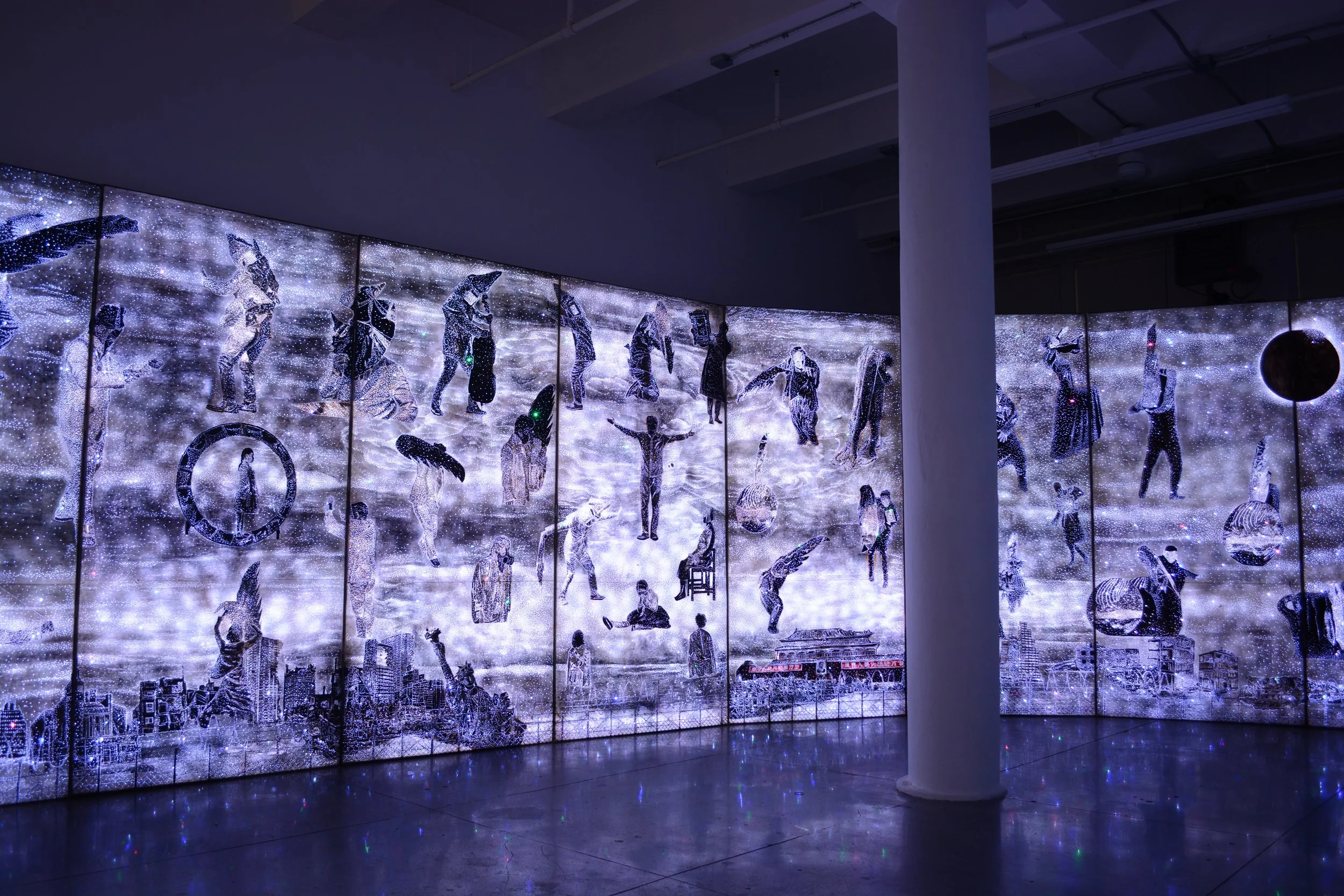
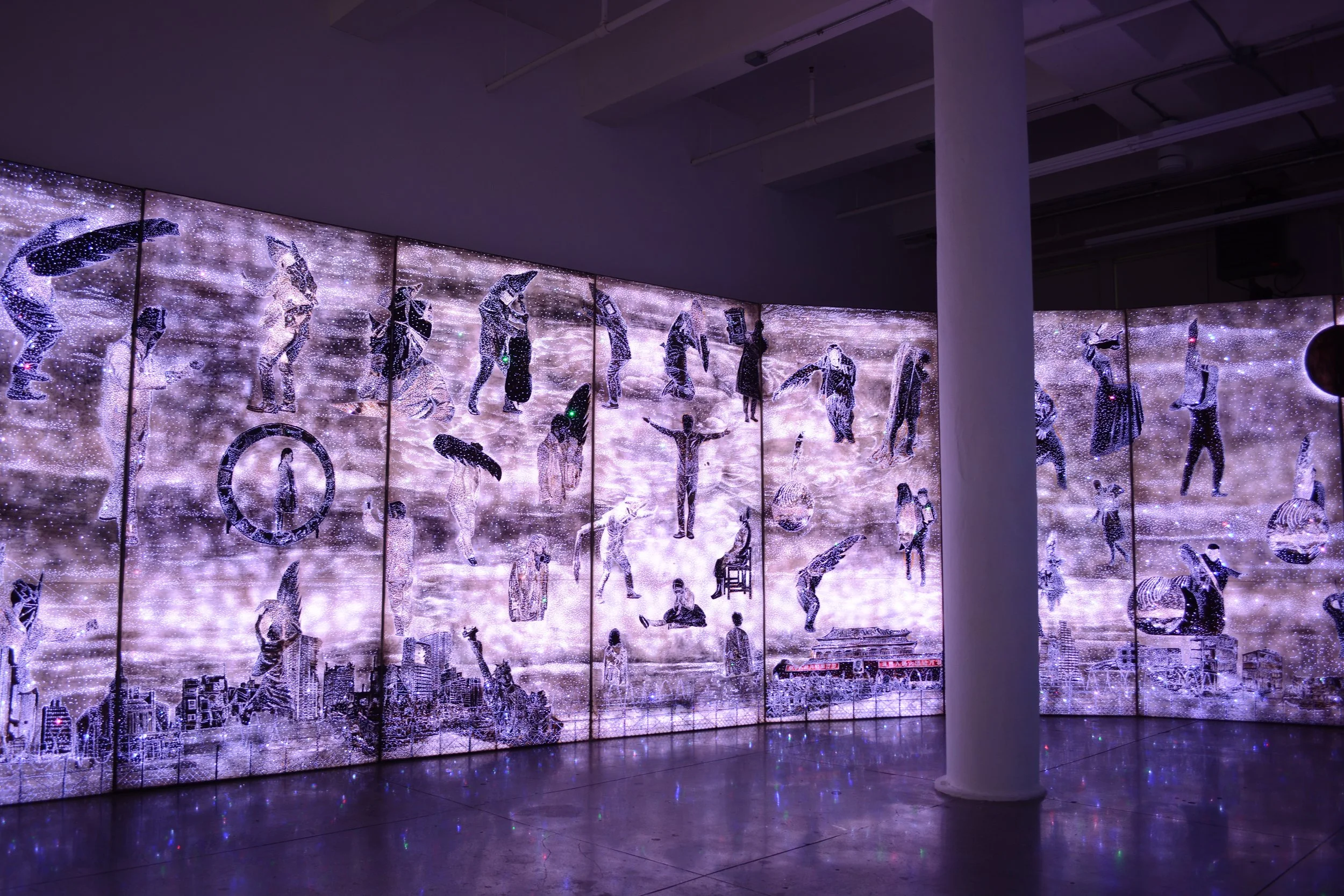
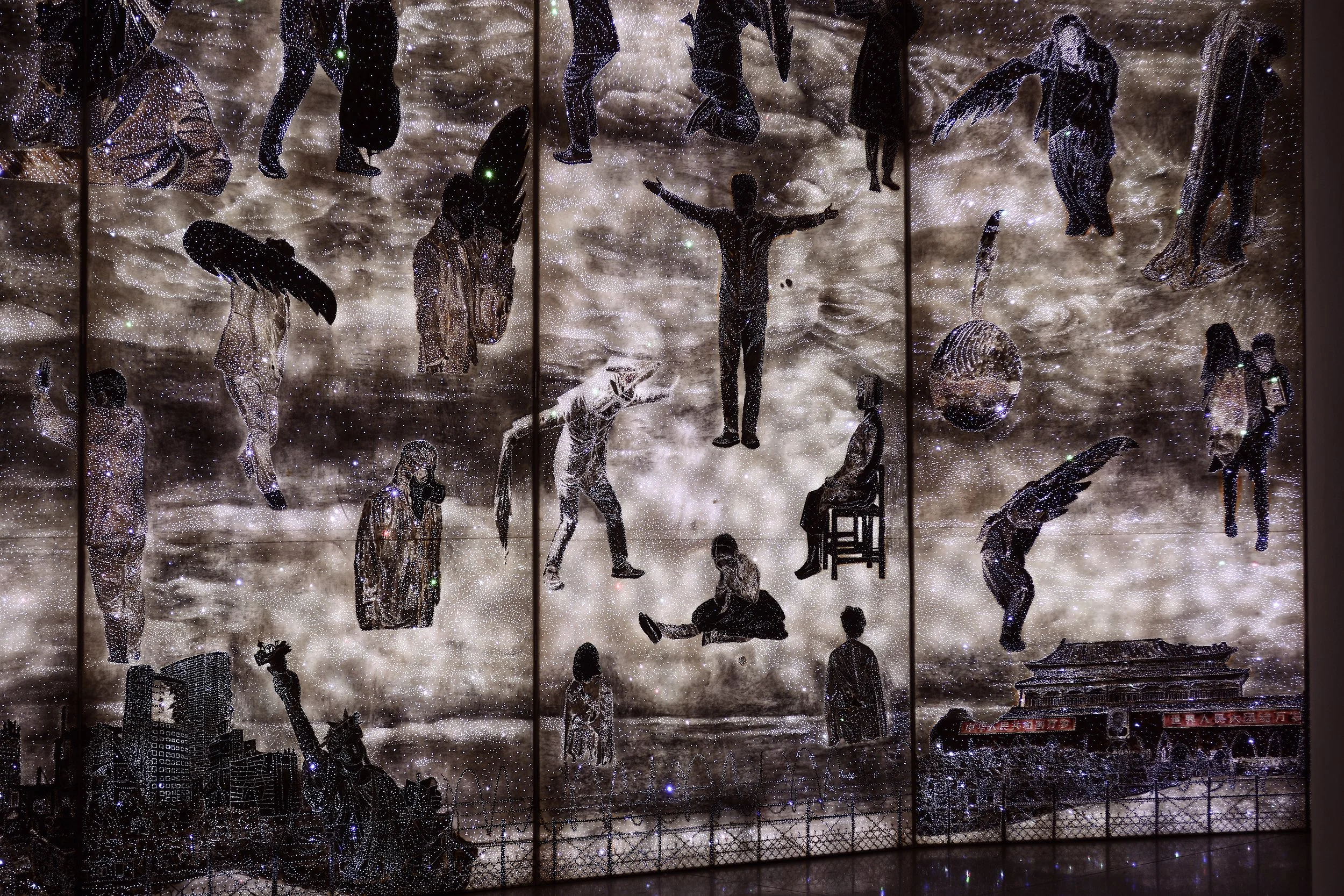
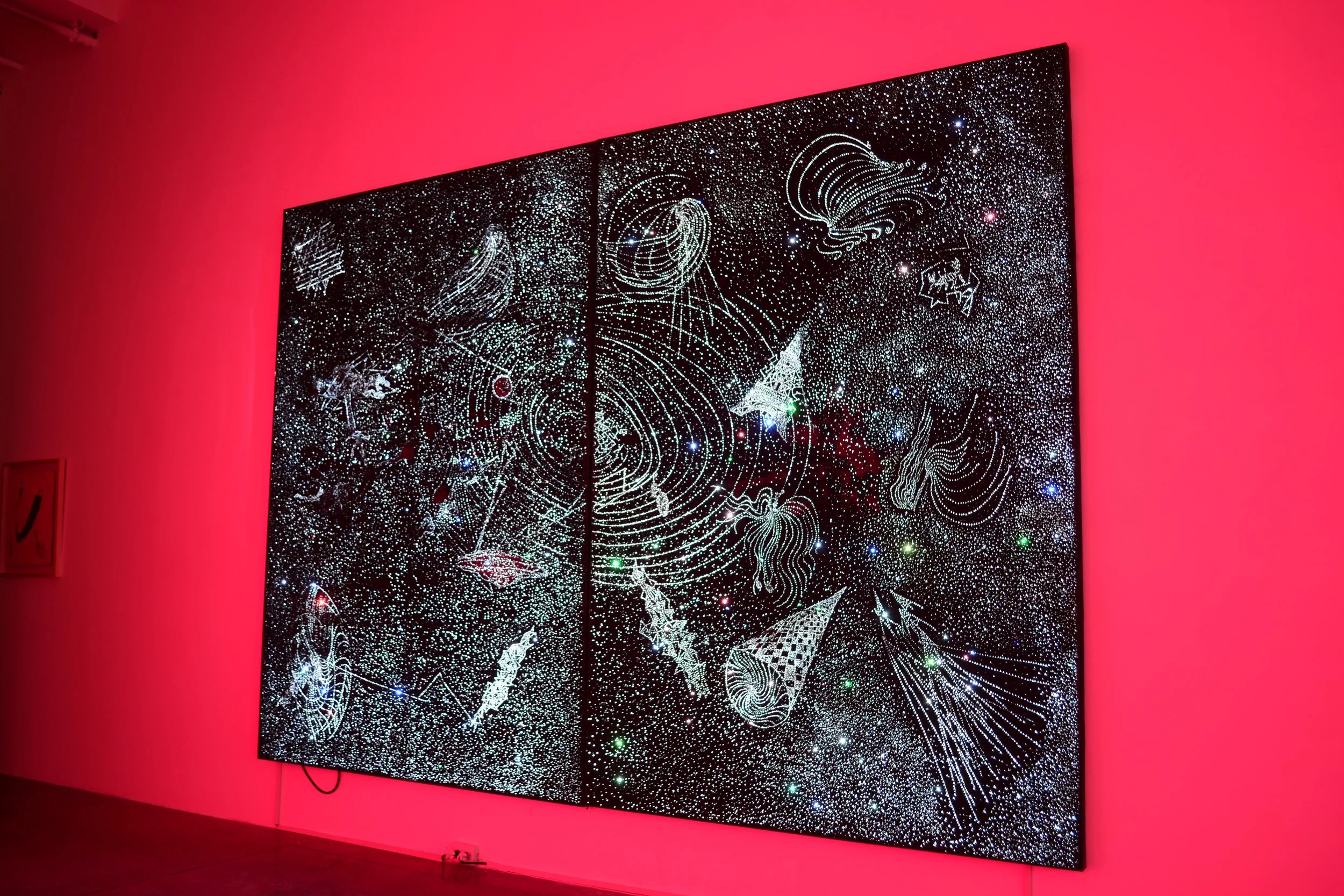
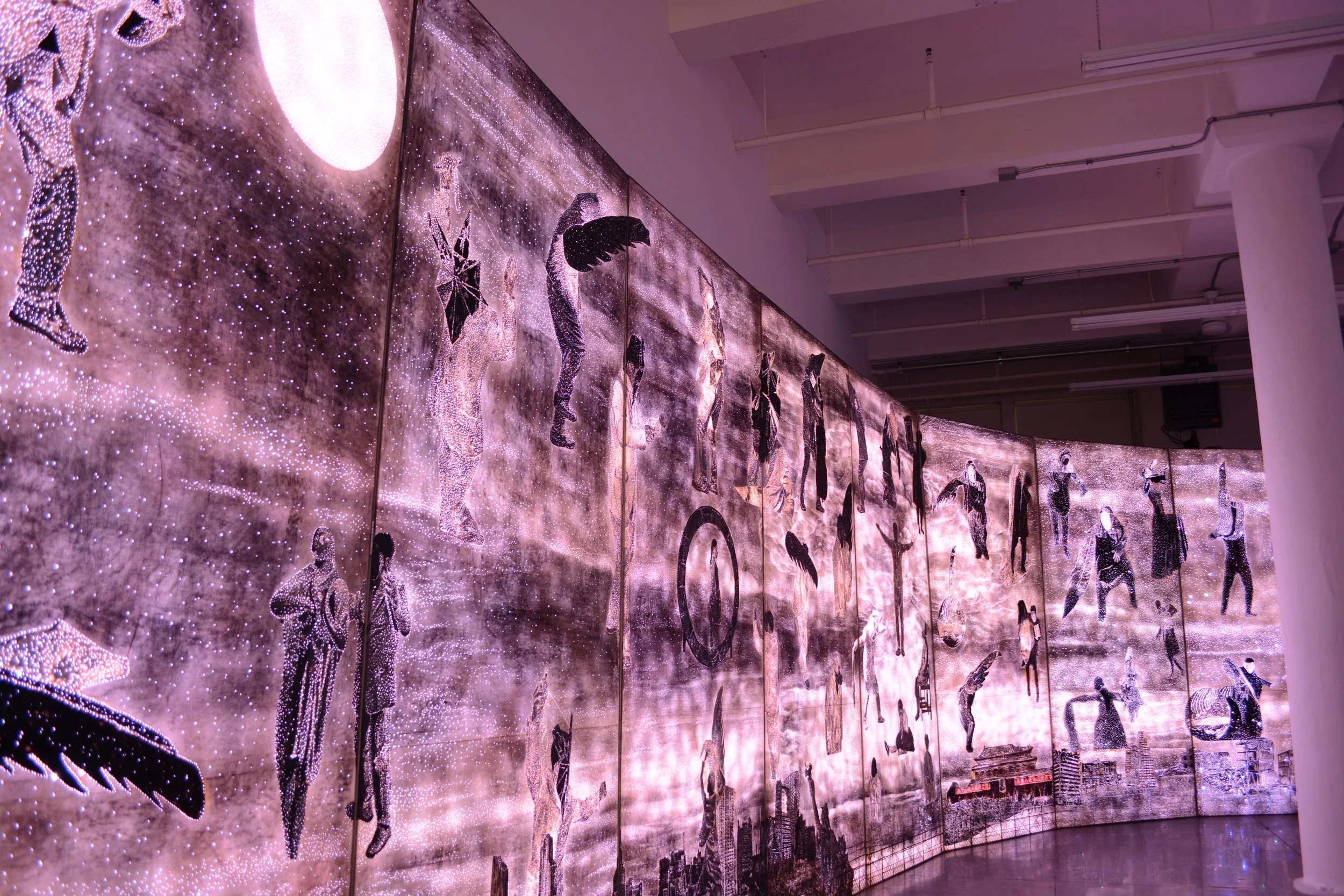
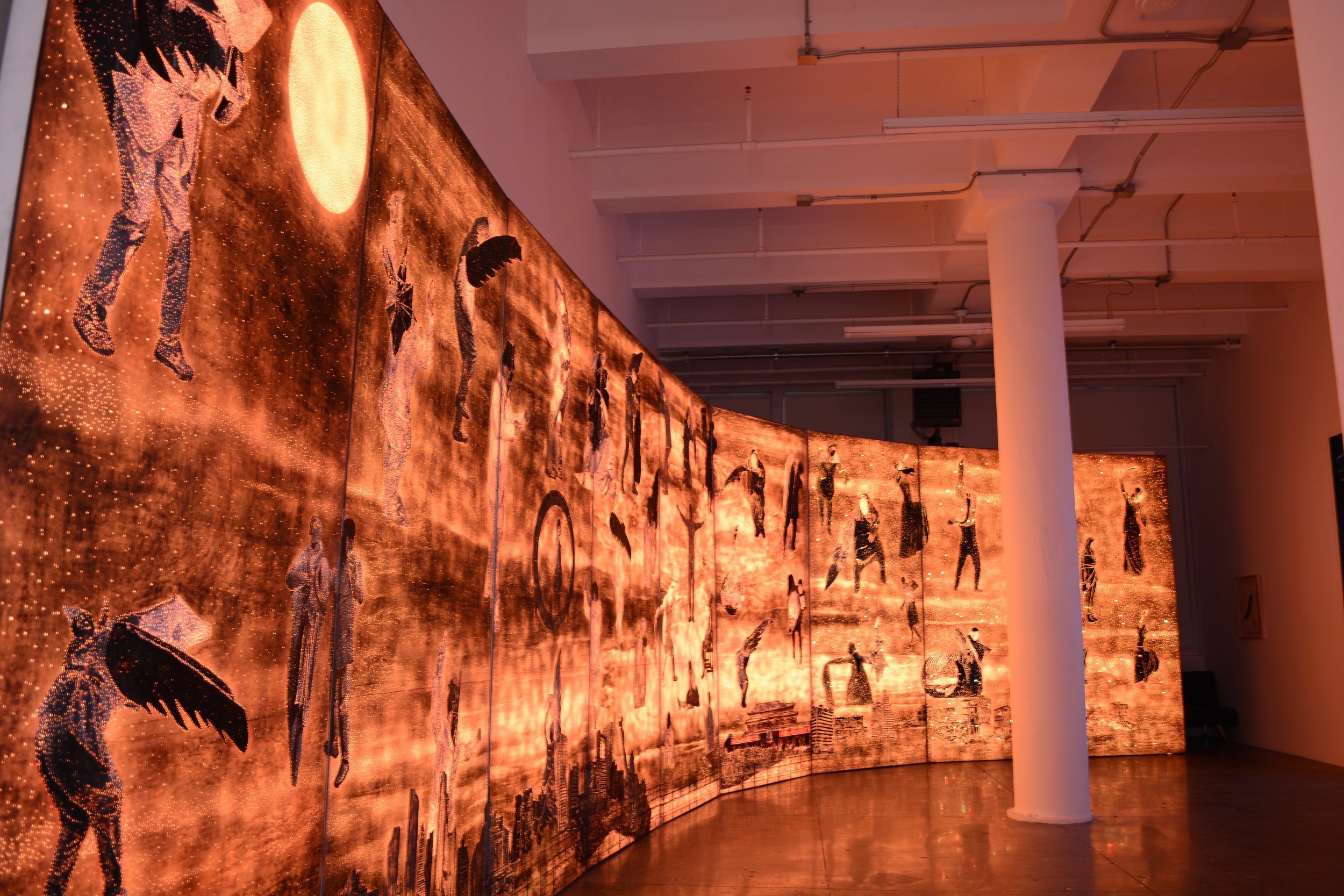
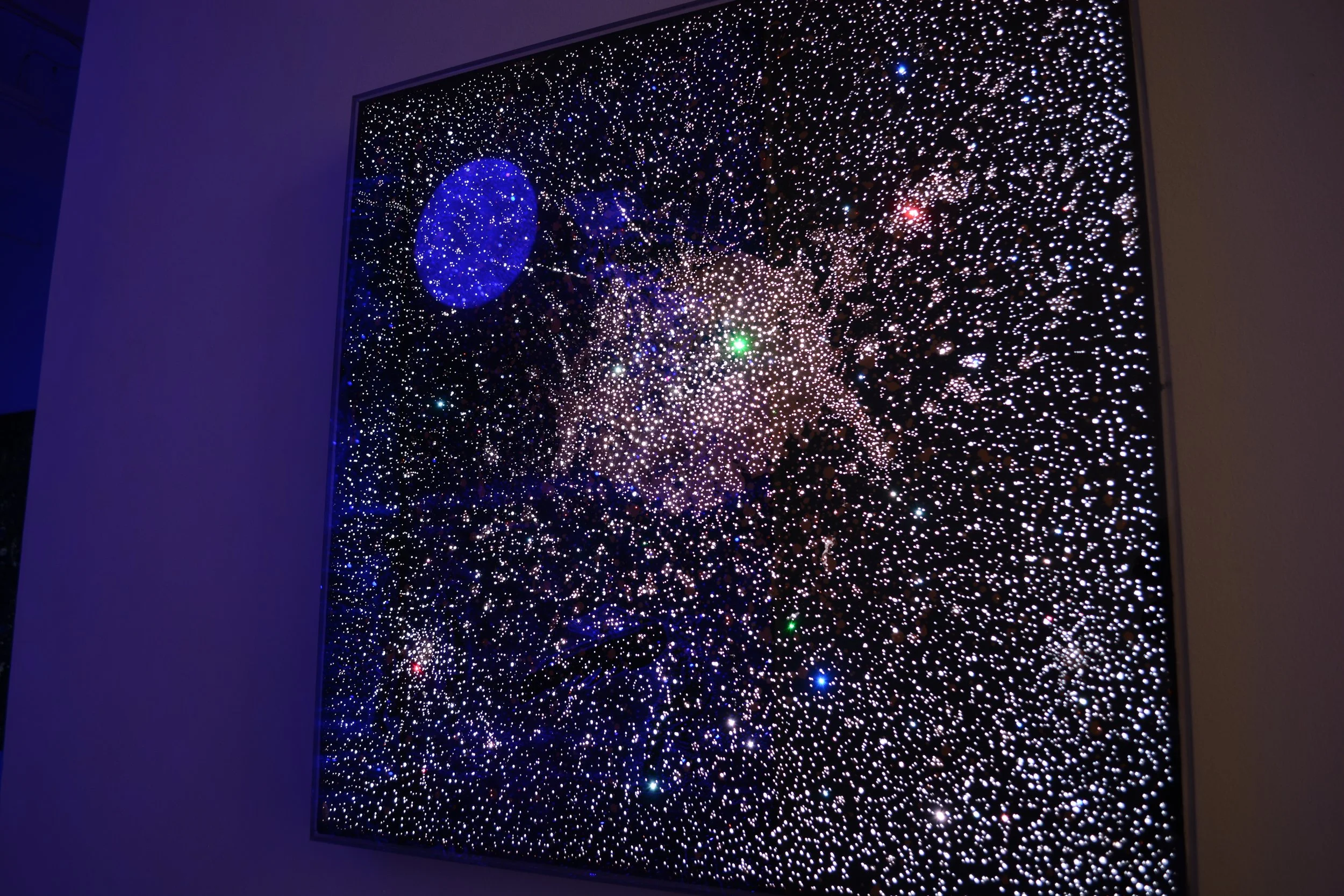
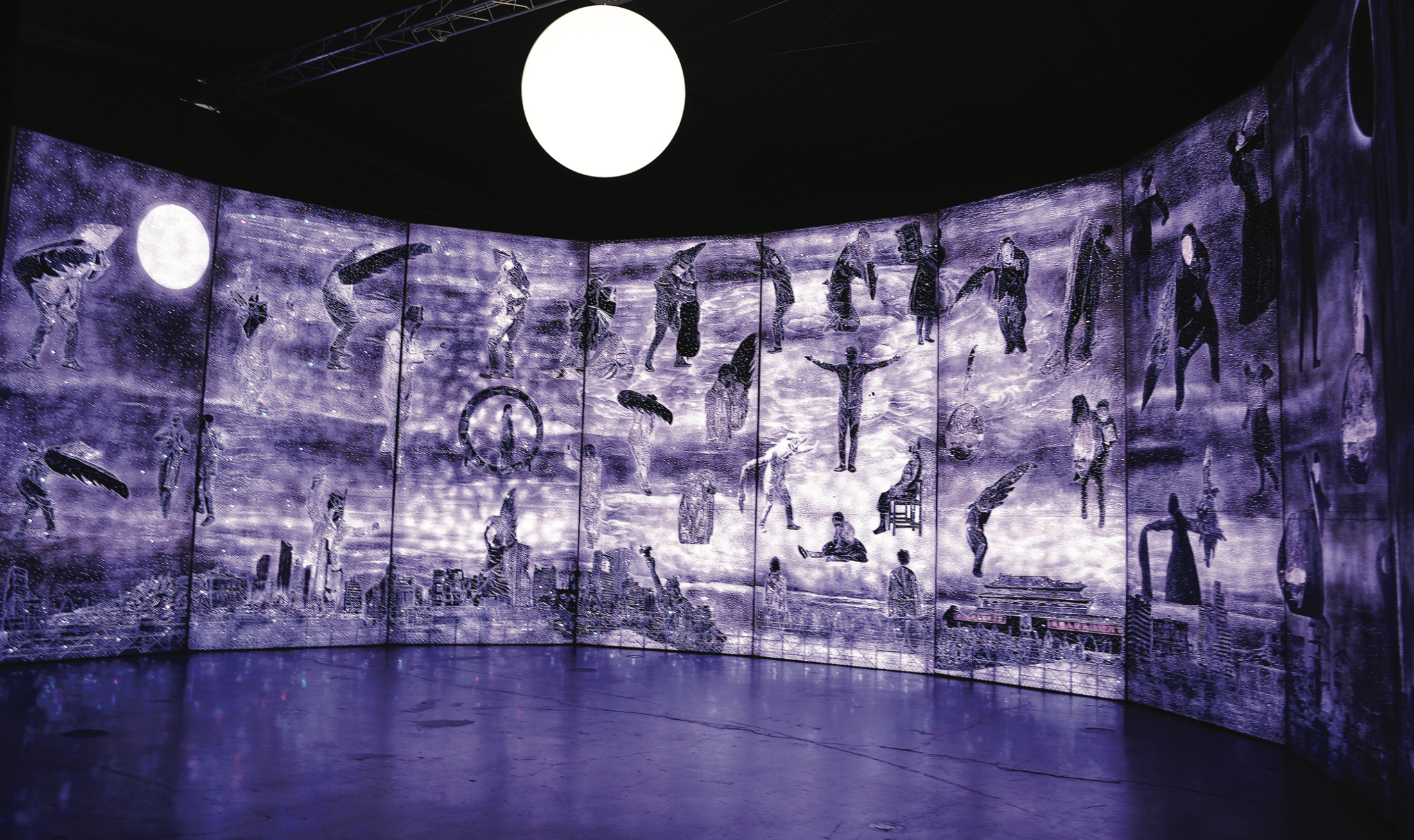
Over the past 30 years, the Korean-born, Paris-trained artist Han Ho has explored light as an artistic medium in myriad forms, including wall projections, freestanding sculptures, geodesic domes, monumental columns, collage paintings, and drawings. Melding spirituality, cultural tradition, and science, these works often involve hanji (handmade Korean mulberry paper) as a ground for imagery or as a structural surface repeatedly perforated to create constellation-like visual patterns. Many of the installations are immersive, inducing in viewers a sense of cosmic wonder.
As truly a cosmopolitan muti-media artist who as travels worldwide, Han Ho brings together in his installation art two historically distinct approaches to light.
In the East, most art—from ancient landscape painting through Dansaekhwa (Korean postwar abstraction) to contemporary digital practice—has favored flat forms and uniform, shadowless illumination. Meanwhile, philosophically, “enlightenment” has designated a rigorously cultivated state of mind in which the confusions of everyday life, indeed of terrestrial existence itself, are meditatively seen through, allowing the seeker to apprehend an ultimate reality that is harmonious, calm, unchanging, and blissfully empty.
Western art, on the contrary, has long preferred the “realistic’ depiction of objects in space—i.e., the replication of the mechanics of physical seeing. Light has therefore been utilized (directly in sculpture, imagistically in two-dimensional work) to model forms by means of highlights and shading. And in Western intellectual history, “the Enlightenment” refers not to a private religious transformation but to the widespread embrace, beginning in the late 17th century, of empiricism and reason as the sole arbiters of truth.
Han Ho’s beautiful, enveloping, awe-provoking works remind us, however, that the Western understanding of light is paradoxical. It began as the very contrary of scientism. Numerous tribal cultures associated light, particularly the sun, with life itself. In the Bible, creation begins with God’s utterance, “Let there be light.” In time, light became synonymous with virtue—so much so that, as early as the 3rd century, the Manicheans regarded the entire cosmos, and the life of every human individual, as a struggle between the forces of darkness and the forces of light. Dante’s Divine Comedy culminates, in paradise, with a fusion of light, love, and God radiating throughout the universe.
In Western painting, light was often used expressionistically—most dramatically by Caravaggio—to represent that conflict chromatically. Only with the 19th-century American Luminist painters, portraying vast landscapes pervaded by a diffuse light that implies a divine presence, did the Eastern and Western approaches coincide.
Many modern artists have shared Han Ho’s fascination with this complex legacy. Early 20th-century avant-gardists like László Moholy-Nagy, Naum Gabo, and György Kepes experimented with the interaction of light with new materials and kinetic parts. Later, Nam June Paik, Dan Flavin, Lucio Fontana, Stephen Antonakos, Bruce Nauman, Keith Sonnier, and others used neon or fluorescent tubing to engender visual and psychological effects. Finally, enveloping light environments were constructed by such artists as James Turrell, Robert Irwin, and Olafur Eliasson. Such projects echo, in our more secular age, the luminous holiness of Sainte Chapelle and Chartres Cathedral, their interiors transfigured by the rays of the primal sun god passing through the panes of Medieval Christian stained glass.
Han Ho, without losing those venerable connotations, additionally connects his work with the science of light. Illumination passing through specimens mounted on glass slides once revealed secrets of biology and physiology. Synthesizing the findings of many predecessors, Albert Einstein in 1905 established the constancy of the speed of light and the validity of his revolutionary theory of relativity. Recently, Han Ho cooperated with NASA to give aesthetic expression to satellite data on particles and magnetic fields in space.
This openness to the past and the future, this willingness to engage history, myth, engineering, and science, makes Han Ho something of a modern-day Renaissance man. His exhibition “Eternal Light” at Mana Contemporary Art in New Jersey brings together references to time-honored Asian landscape painting, the Last Judgment, Milton’s Paradise Lost, interstellar exploration, and hangul (the Korean alphabet and writing system), In fact, this artist, now at the height of his powers, seems to see our destiny written in the stars. Not in the old-fashioned superstitious fashion, but implicit in the even greater mysteries revealed by technology and the human imagination, now powerfully aided by artificial intelligence.
The show’s globalist—dare one even say universalist?—perspective is a welcome corrective to the current upsurge of hermetic nationalism. “Eternal Light,” encompassing everything from vast stellar displays to the quiet glow of a single electric bulb, conveys the bold human resolve that poet Alfred Lord Tennyson once ascribed to the aging Ulysses: “To strive, to seek, to find, and not to yield.”
By Richard Vine
* Richard Vine is the former managing editor of Art in America and author of such books as New China, New Art and Odd Nerdrum: Paintings, Sketches, and Drawings, as well as the artworld crime novel SoHo Sins.