Stephanie Kim: Being Whole
Exhibition: Apr 2nd - 23rd, 2026
Opening Reception January 9 (4:00-7:00pm)
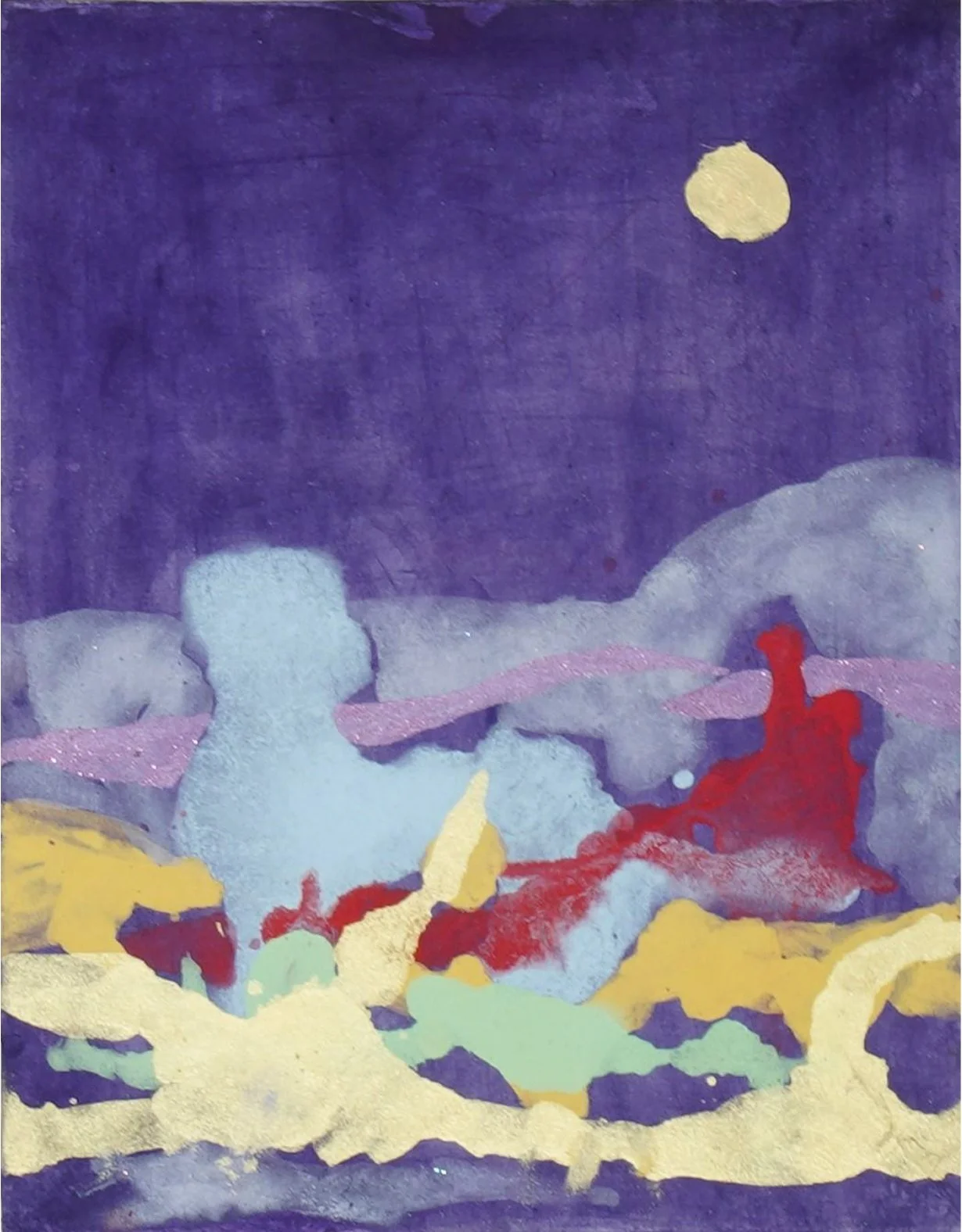
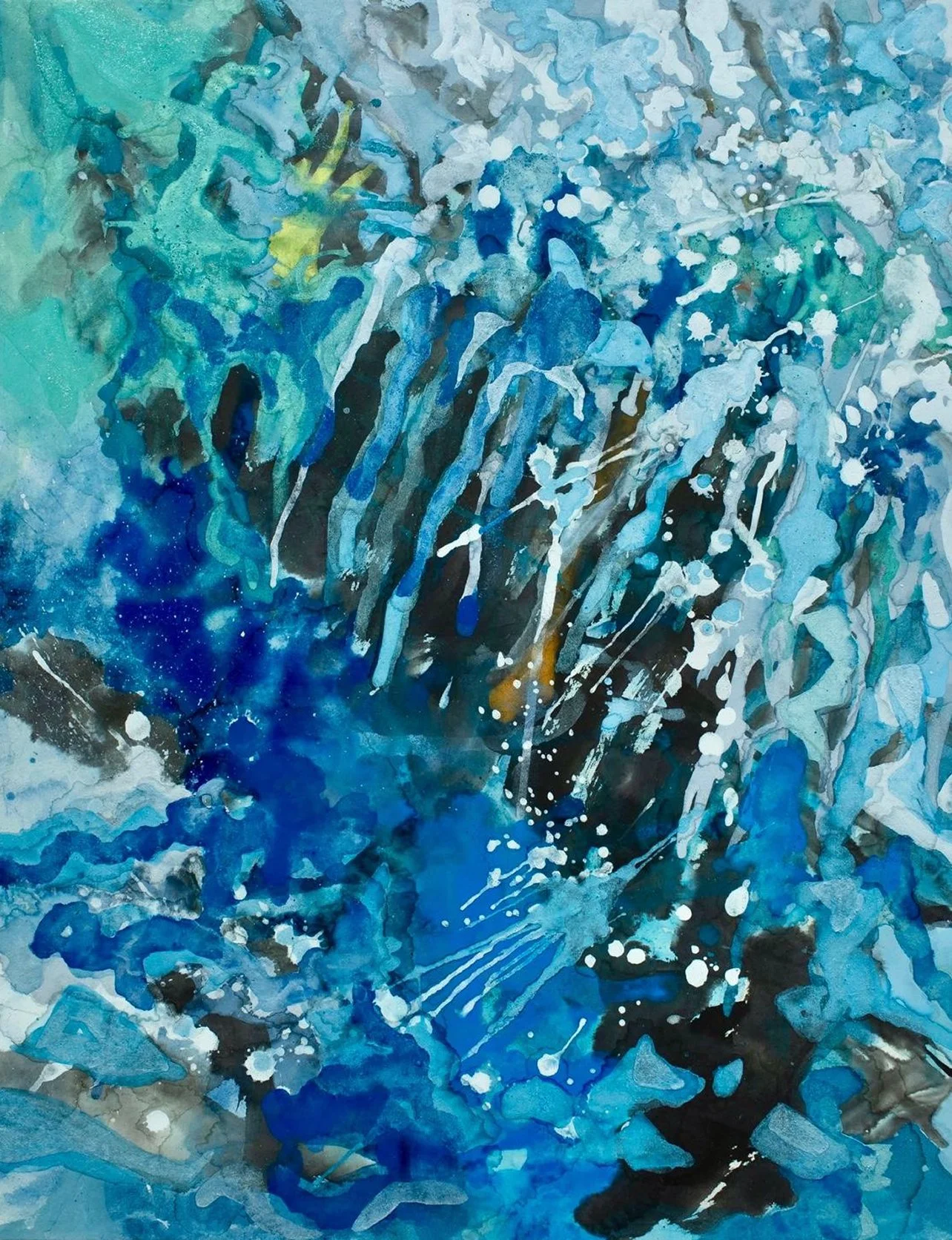
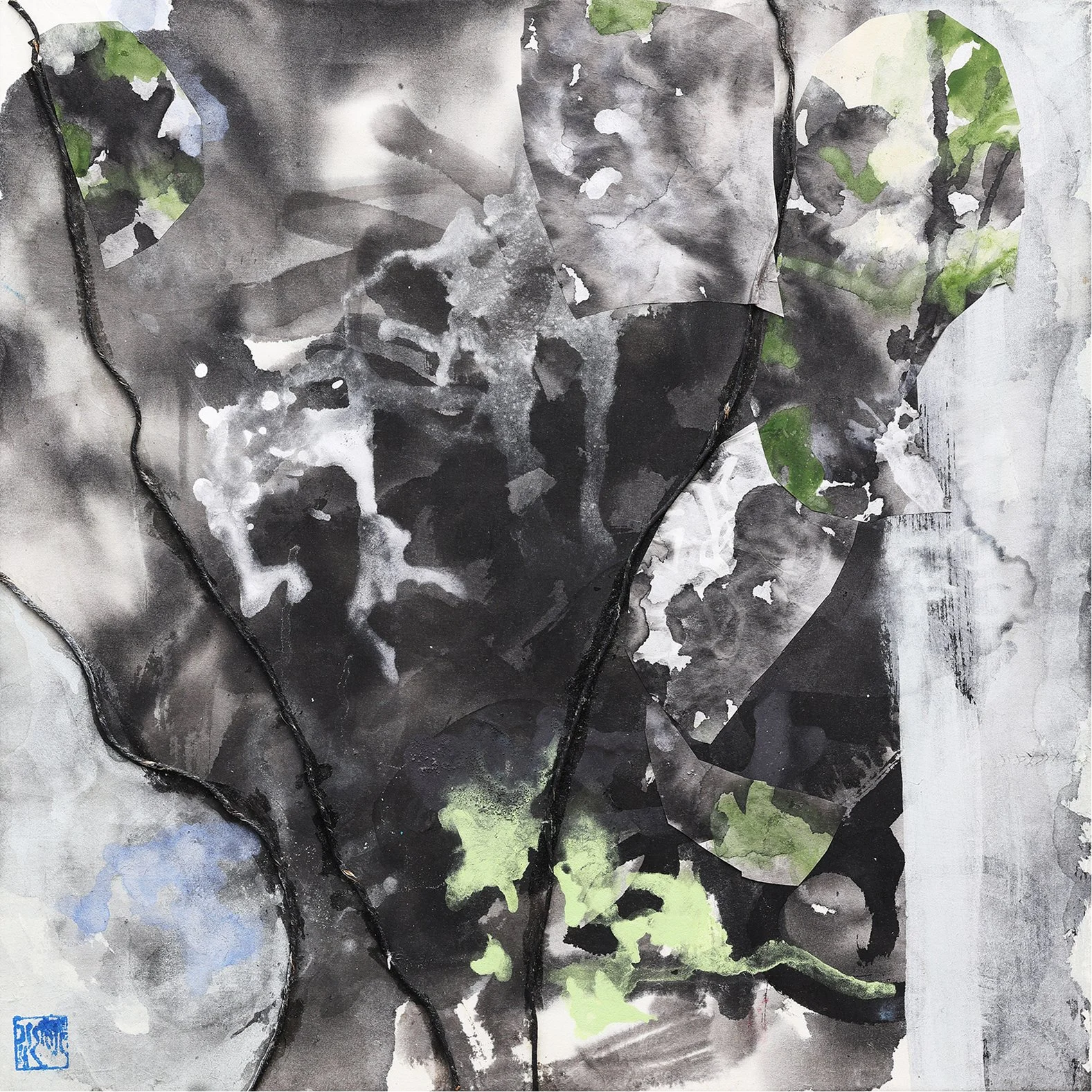
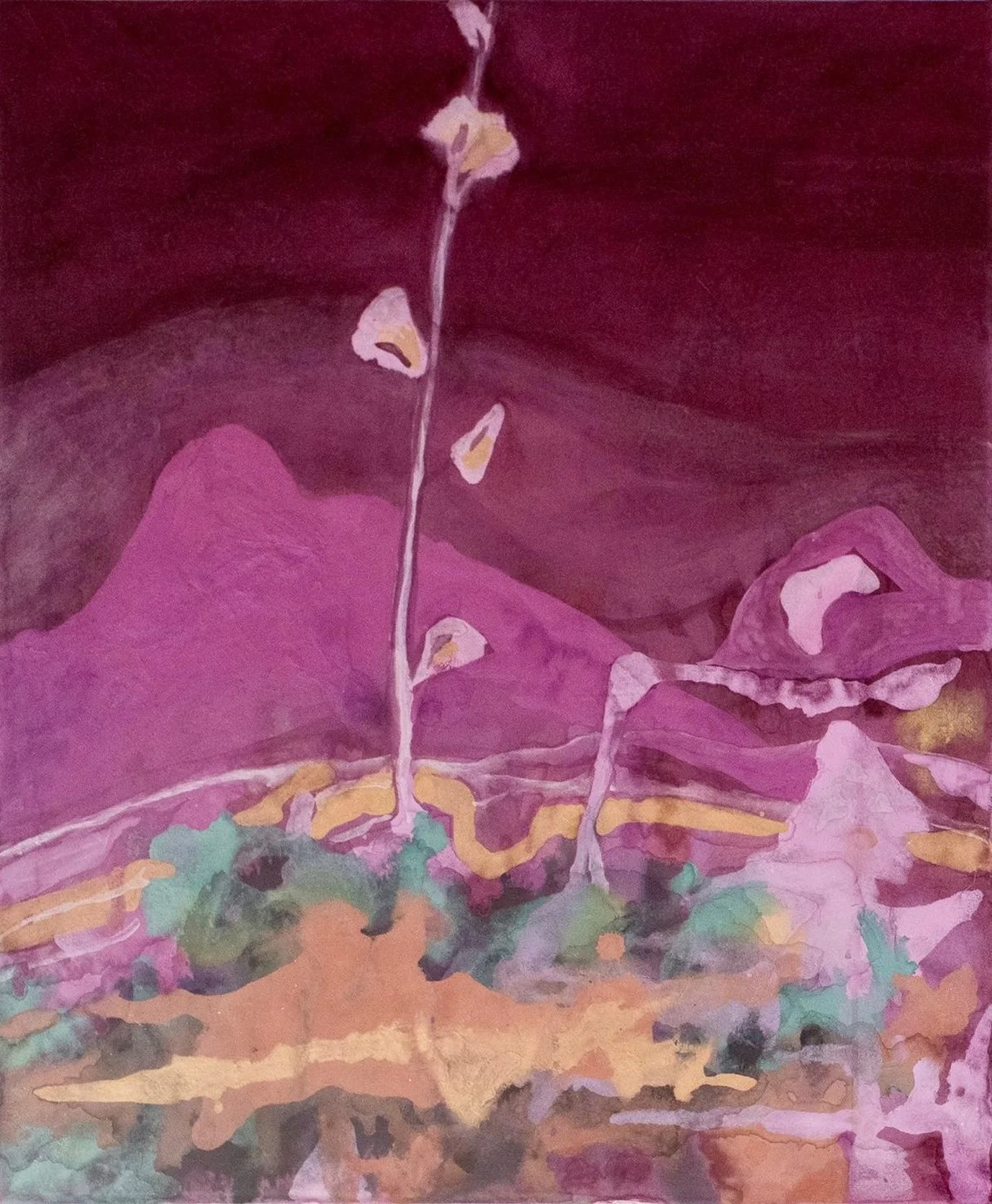
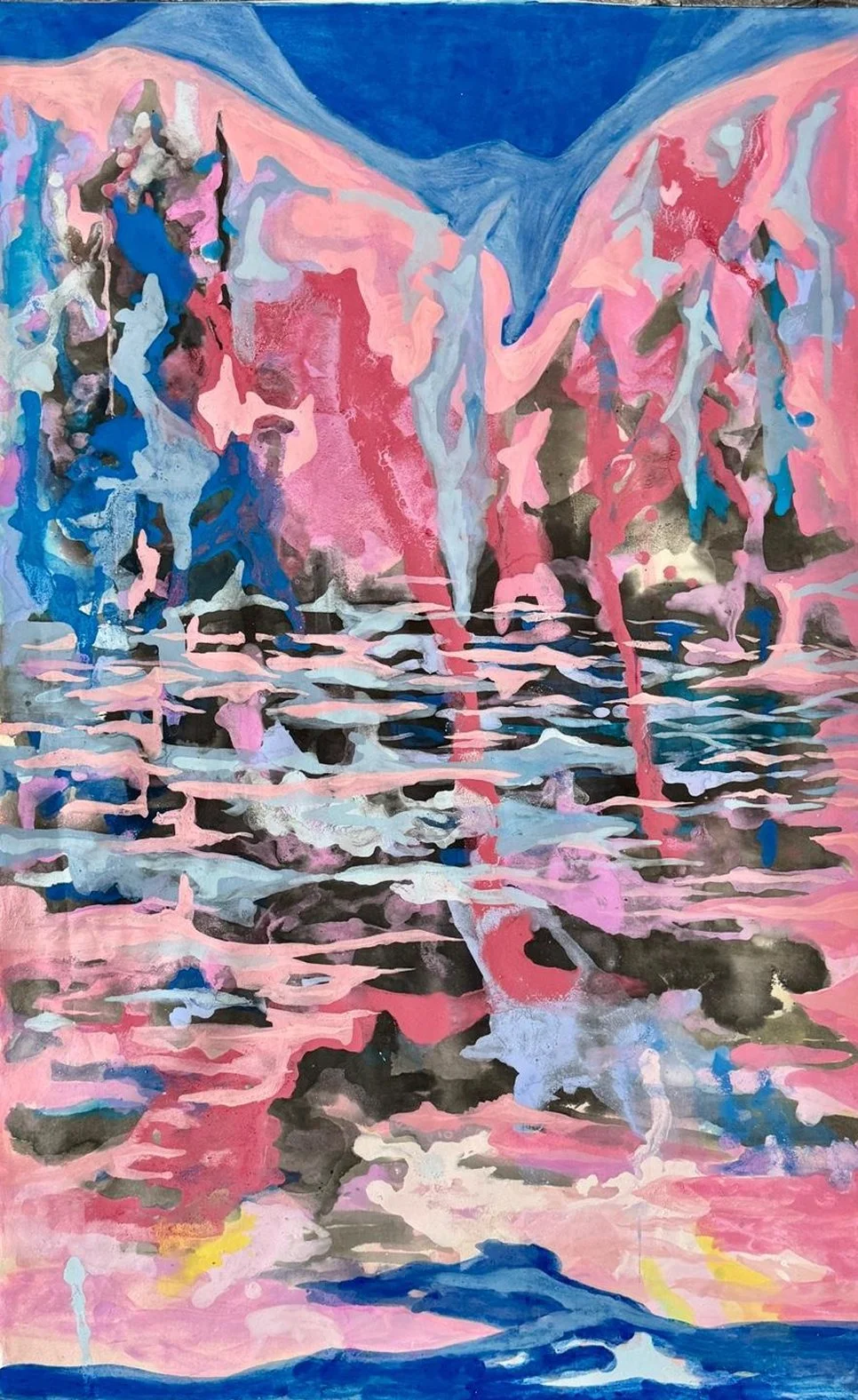
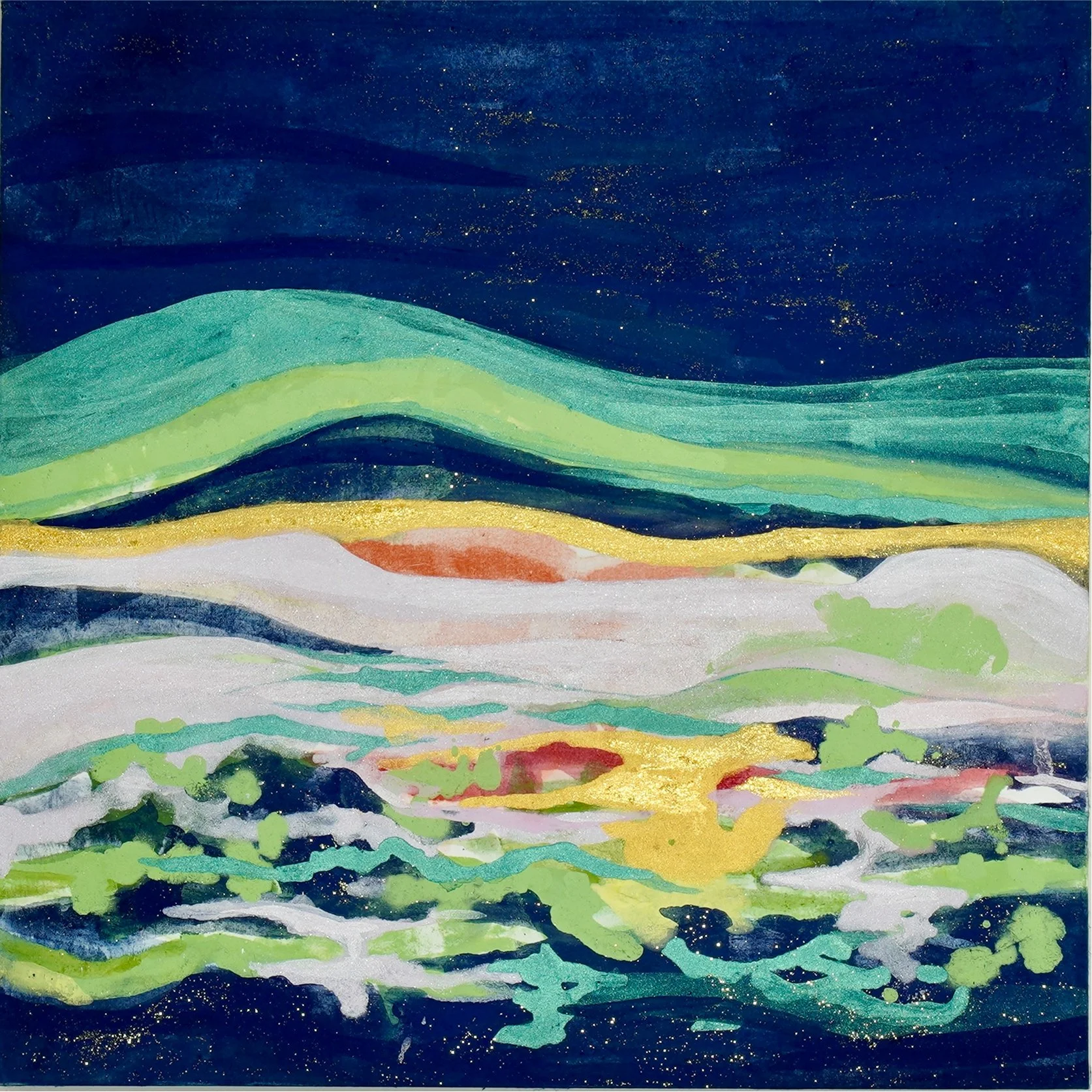
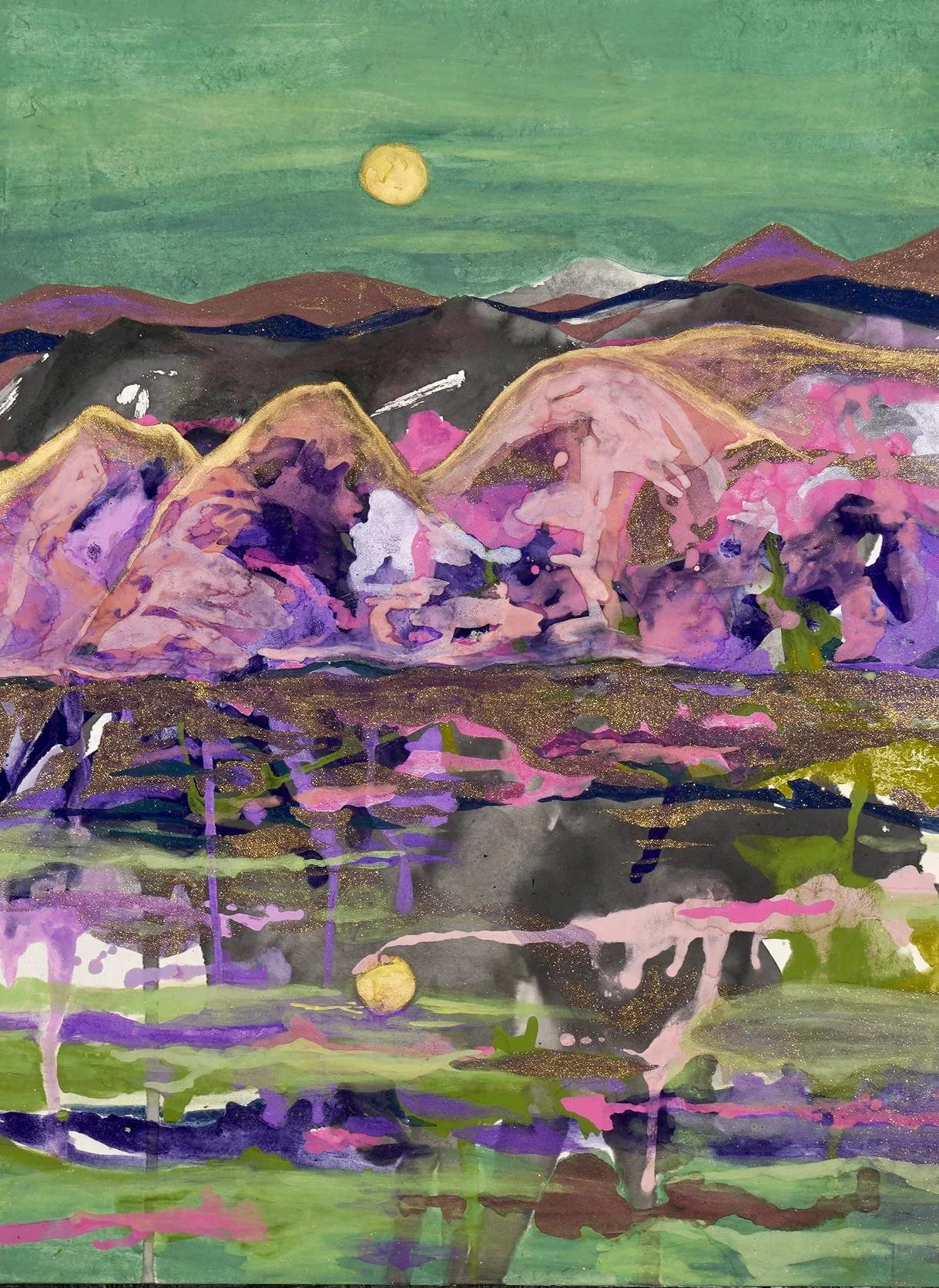
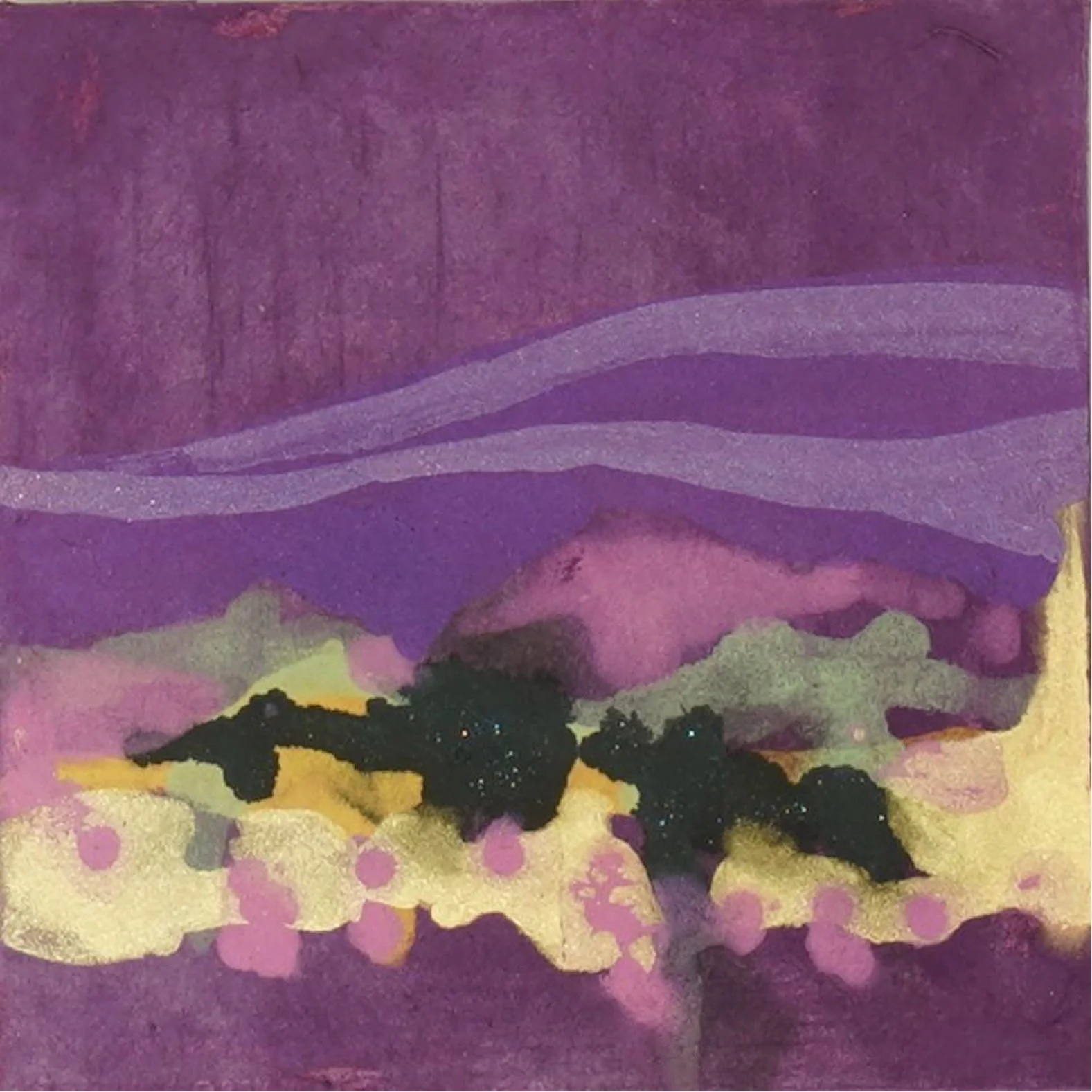
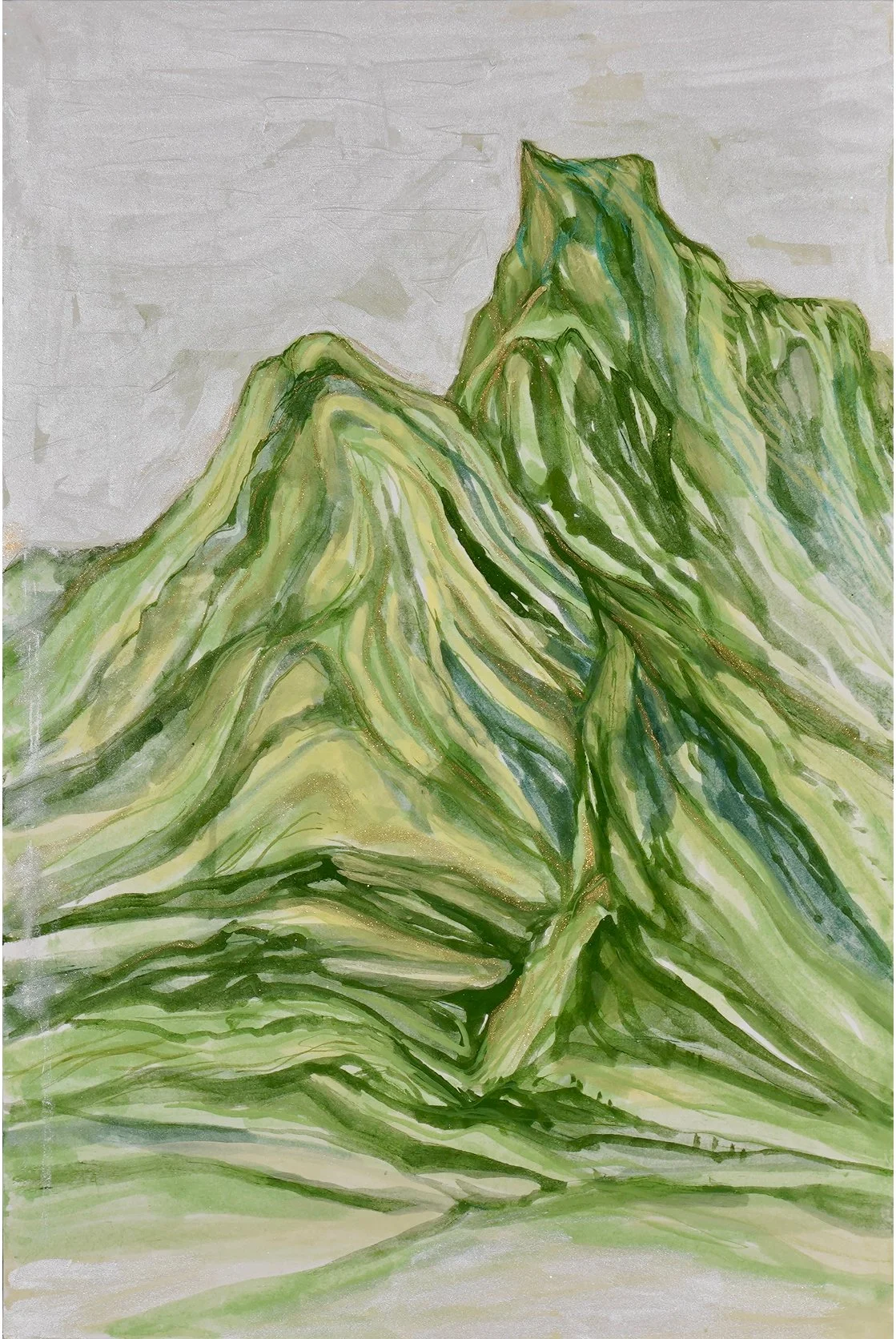
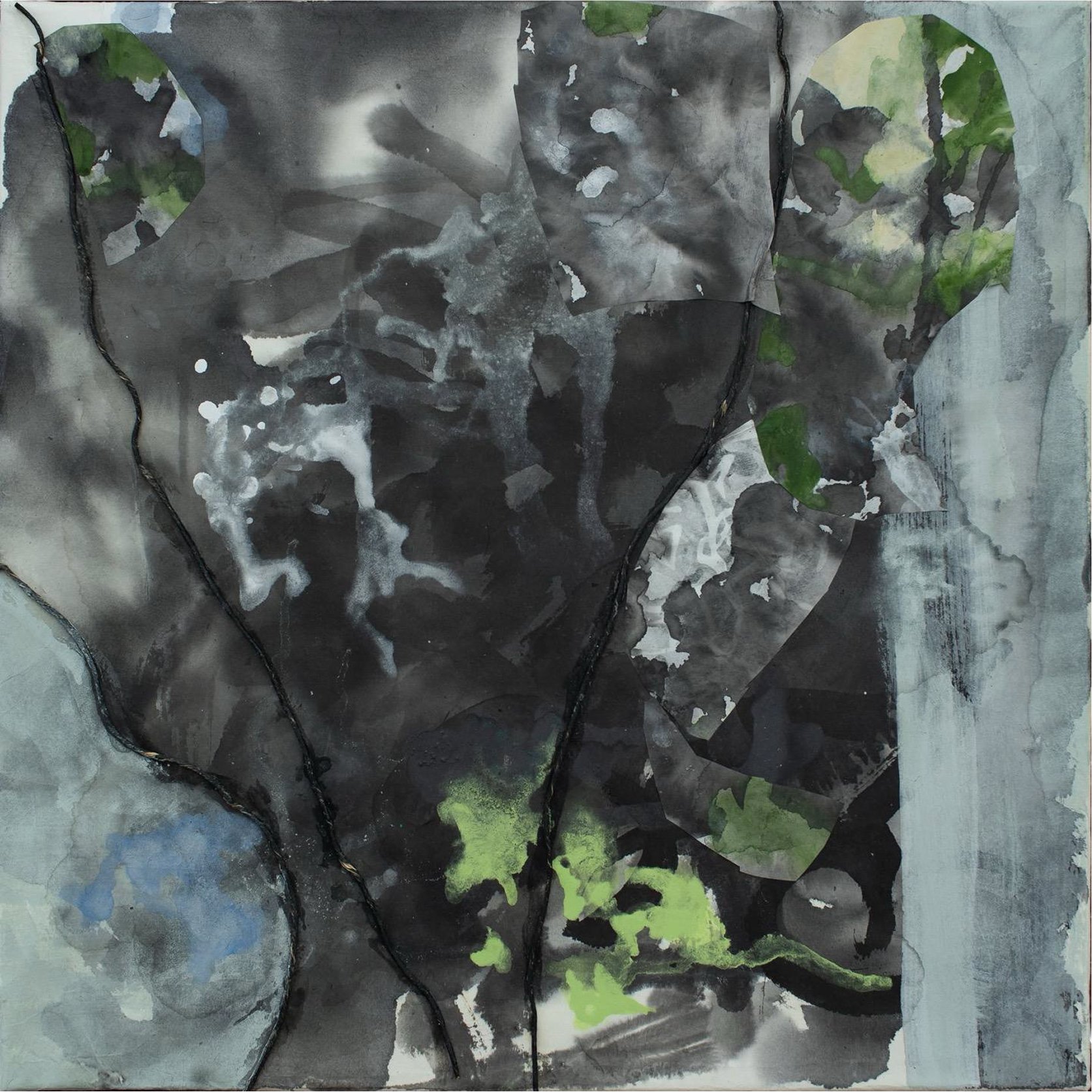
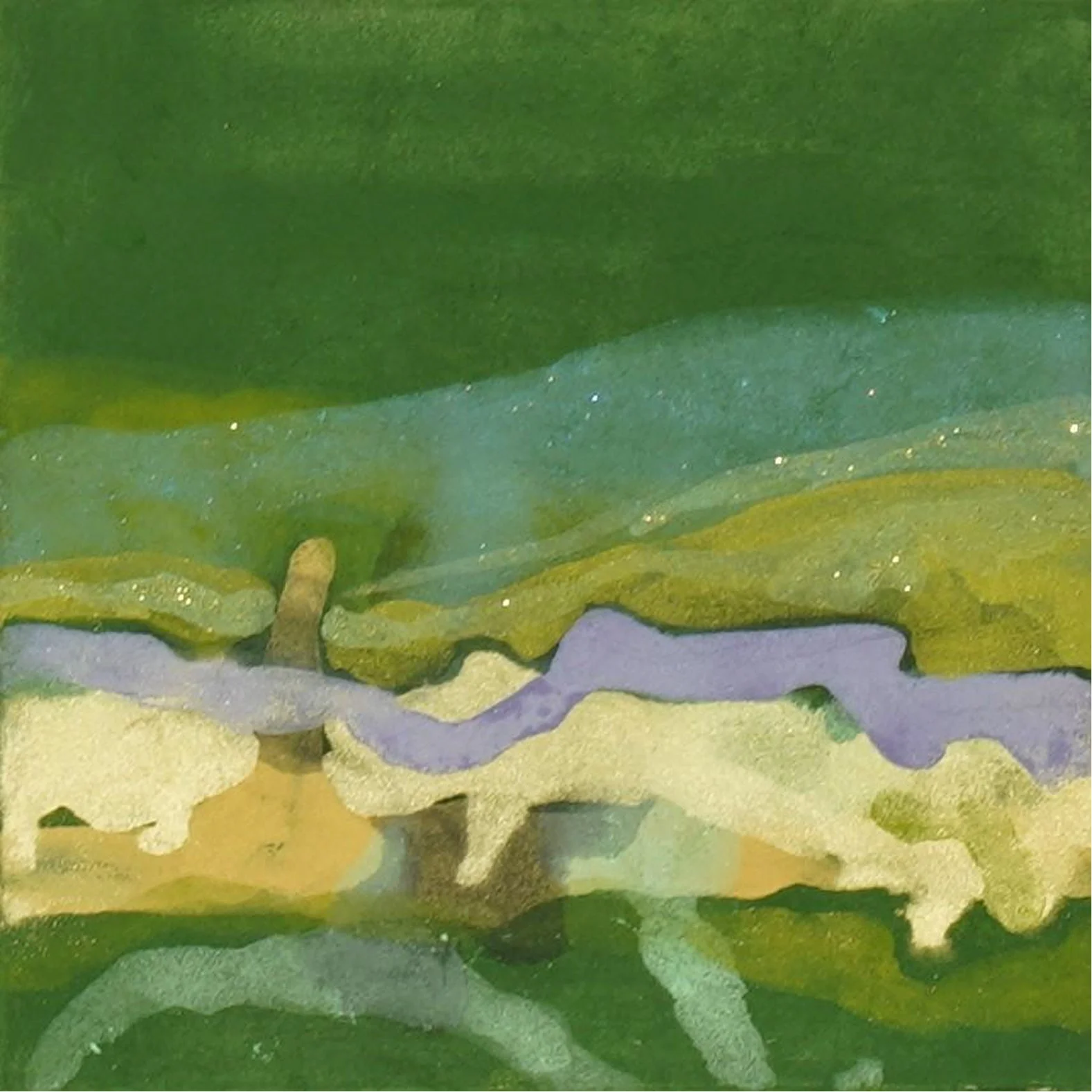
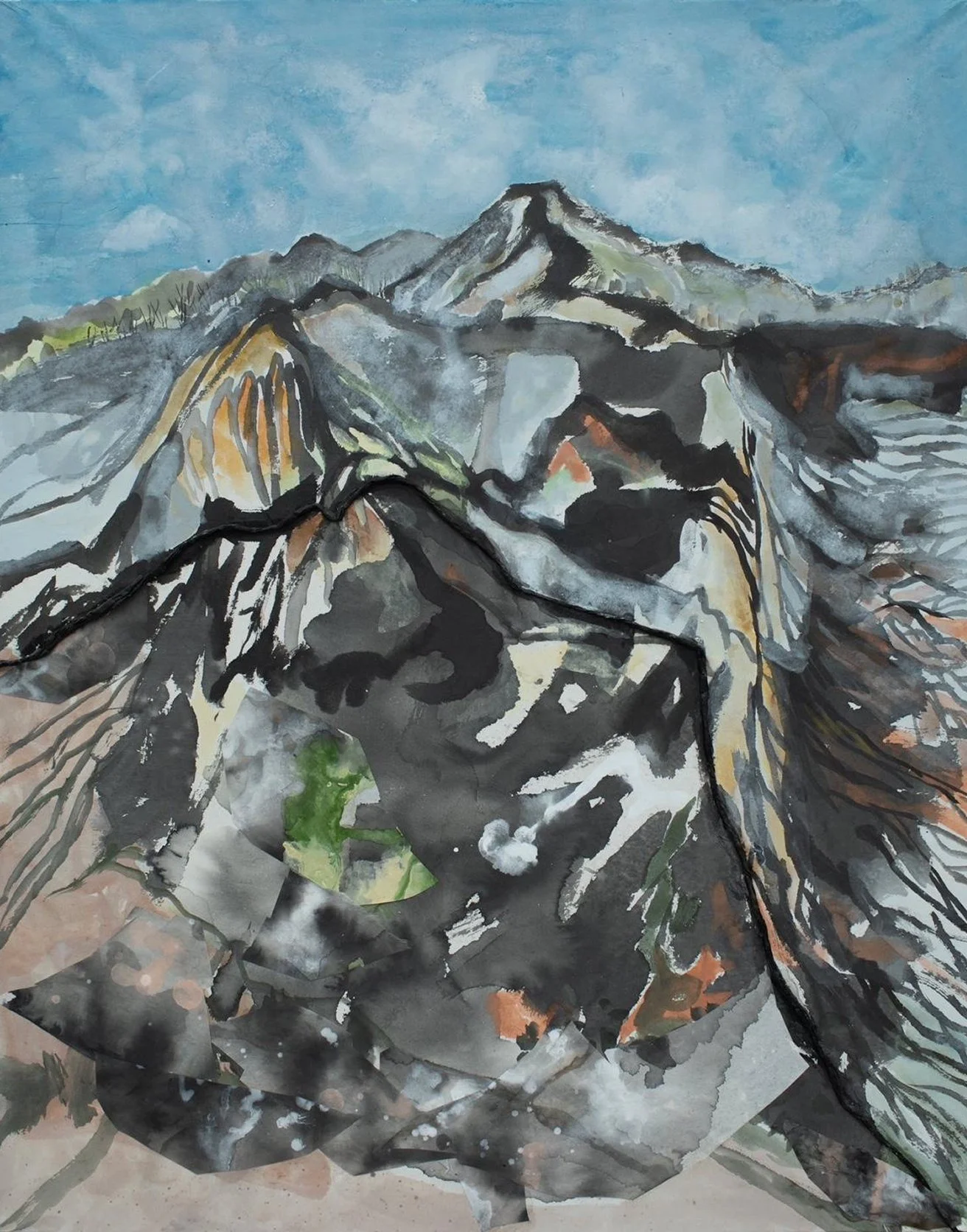
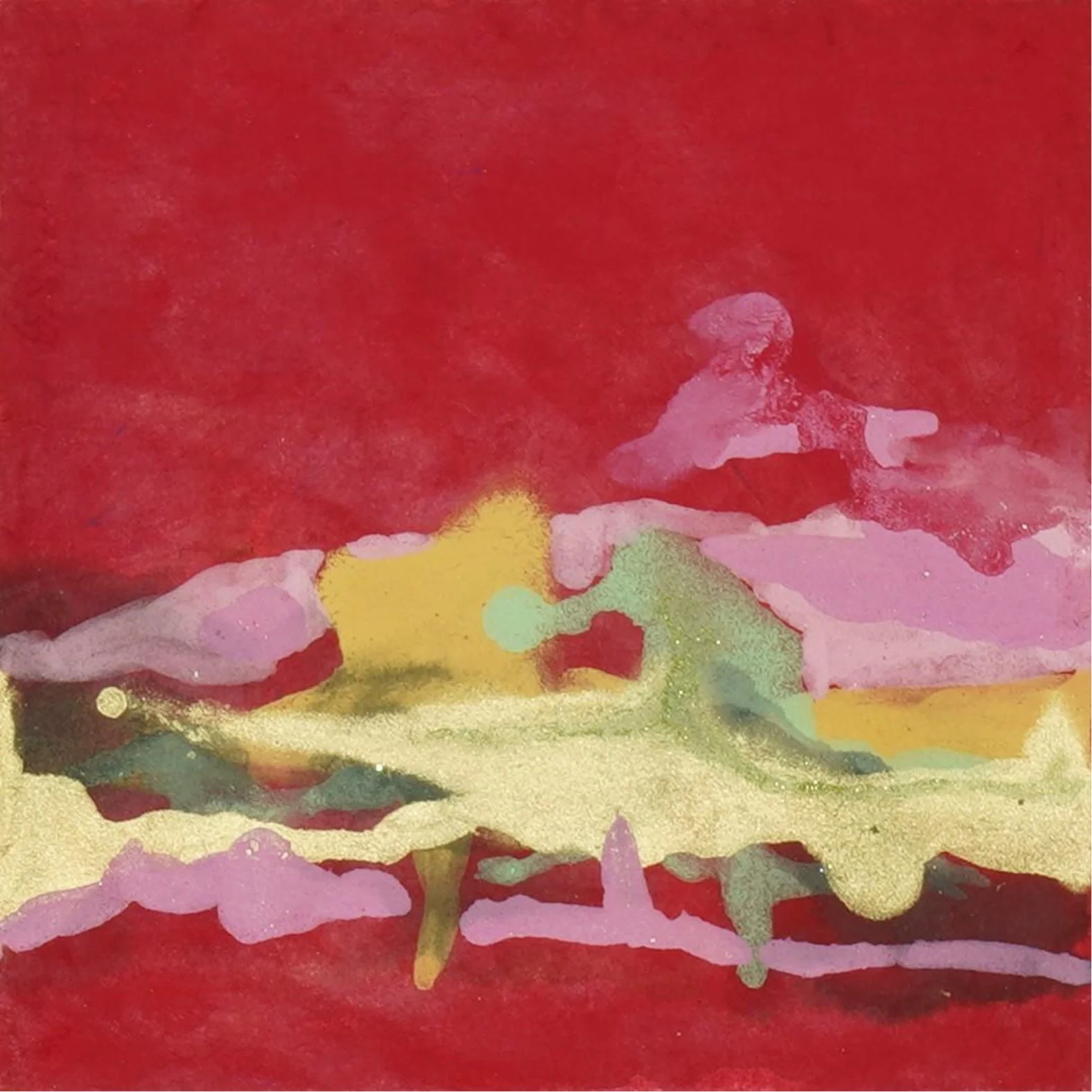
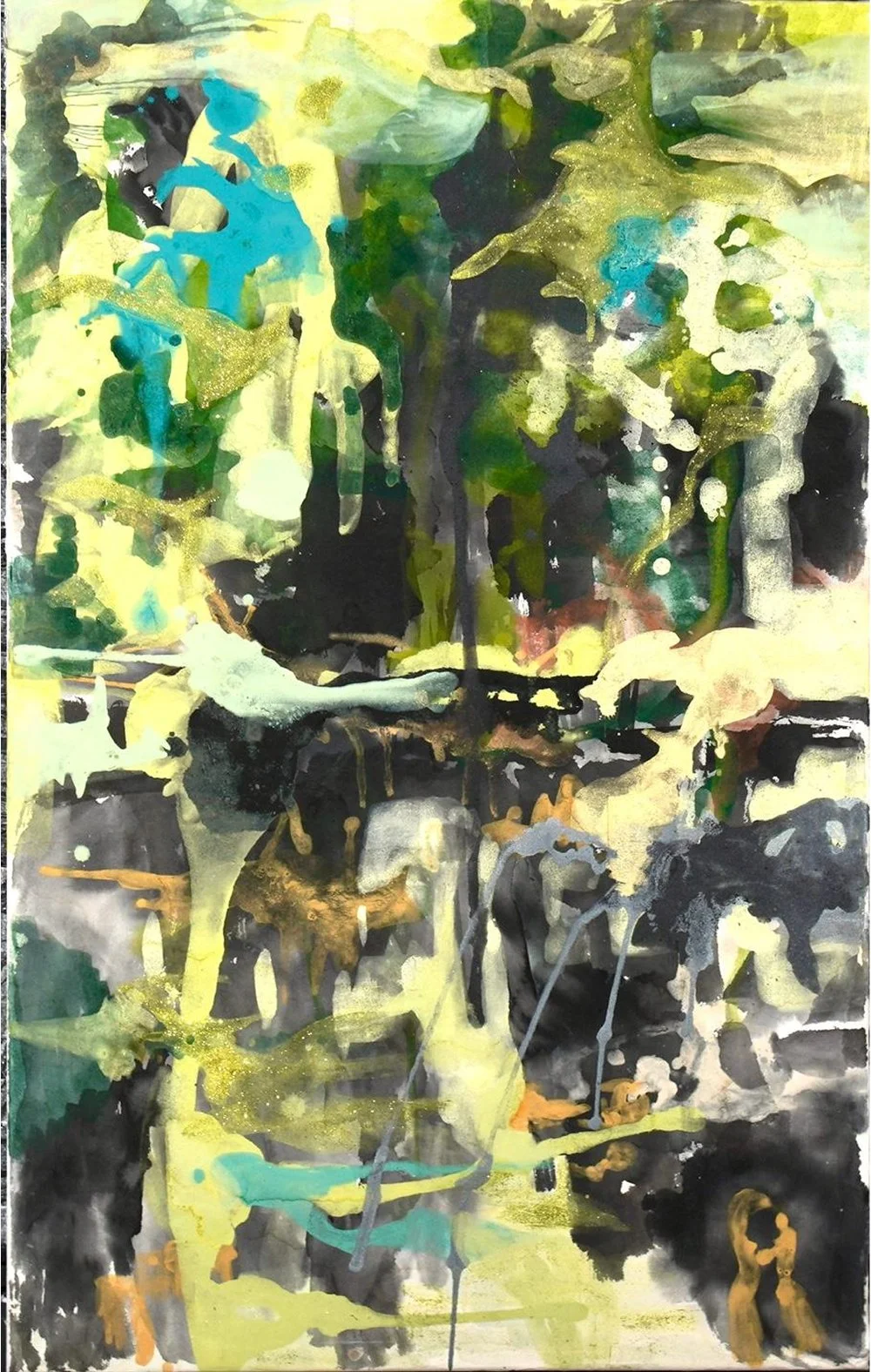
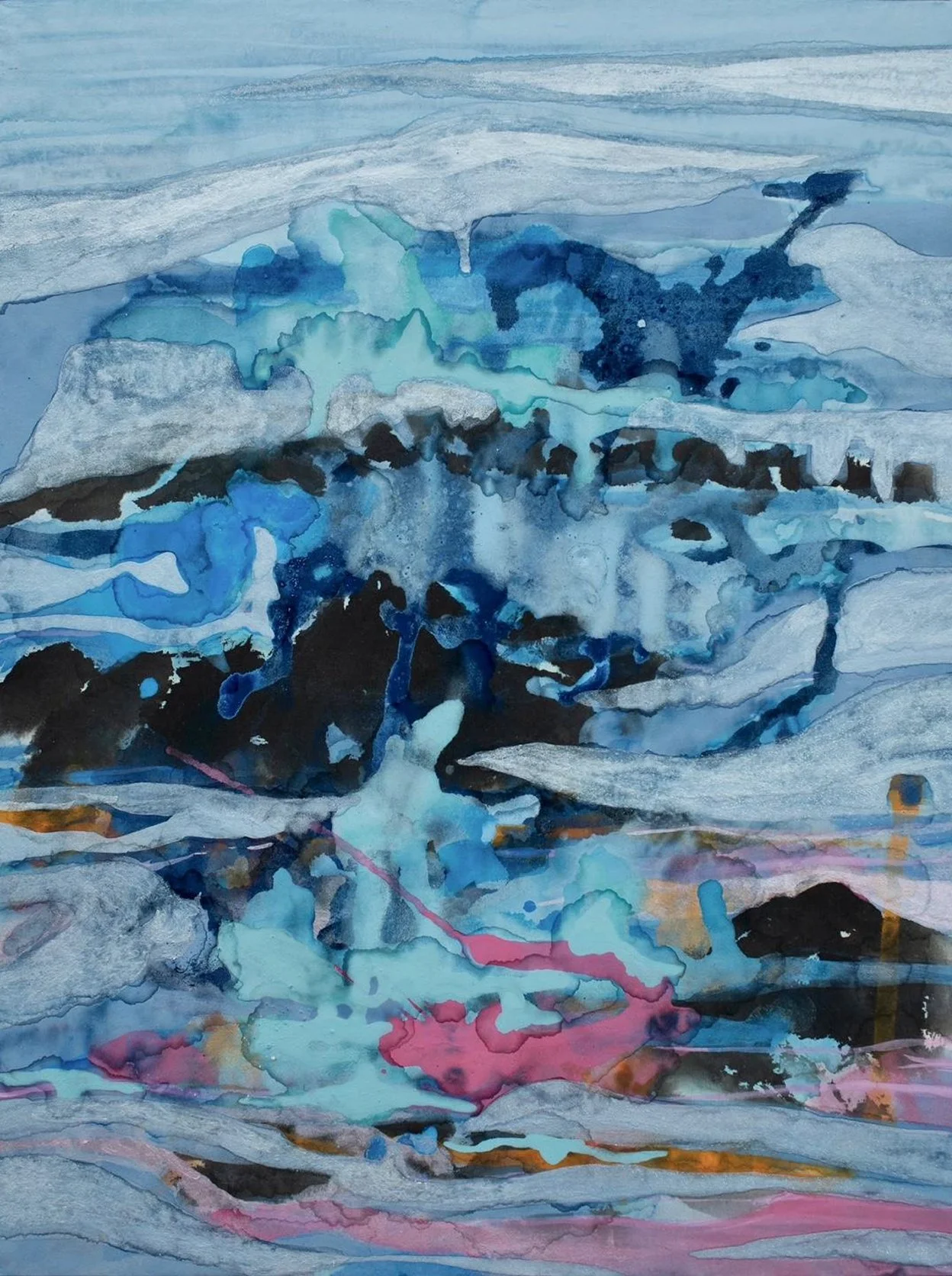
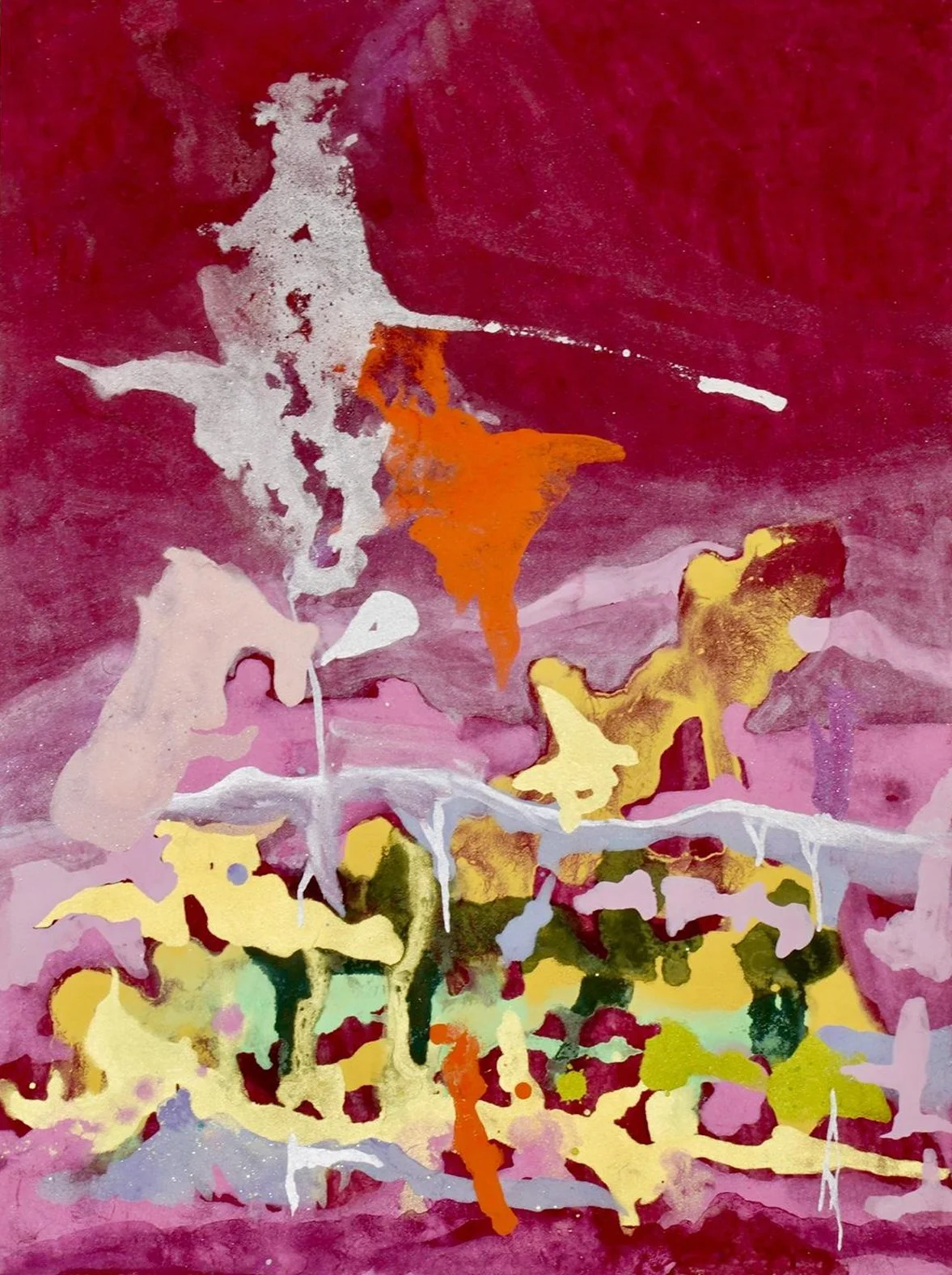
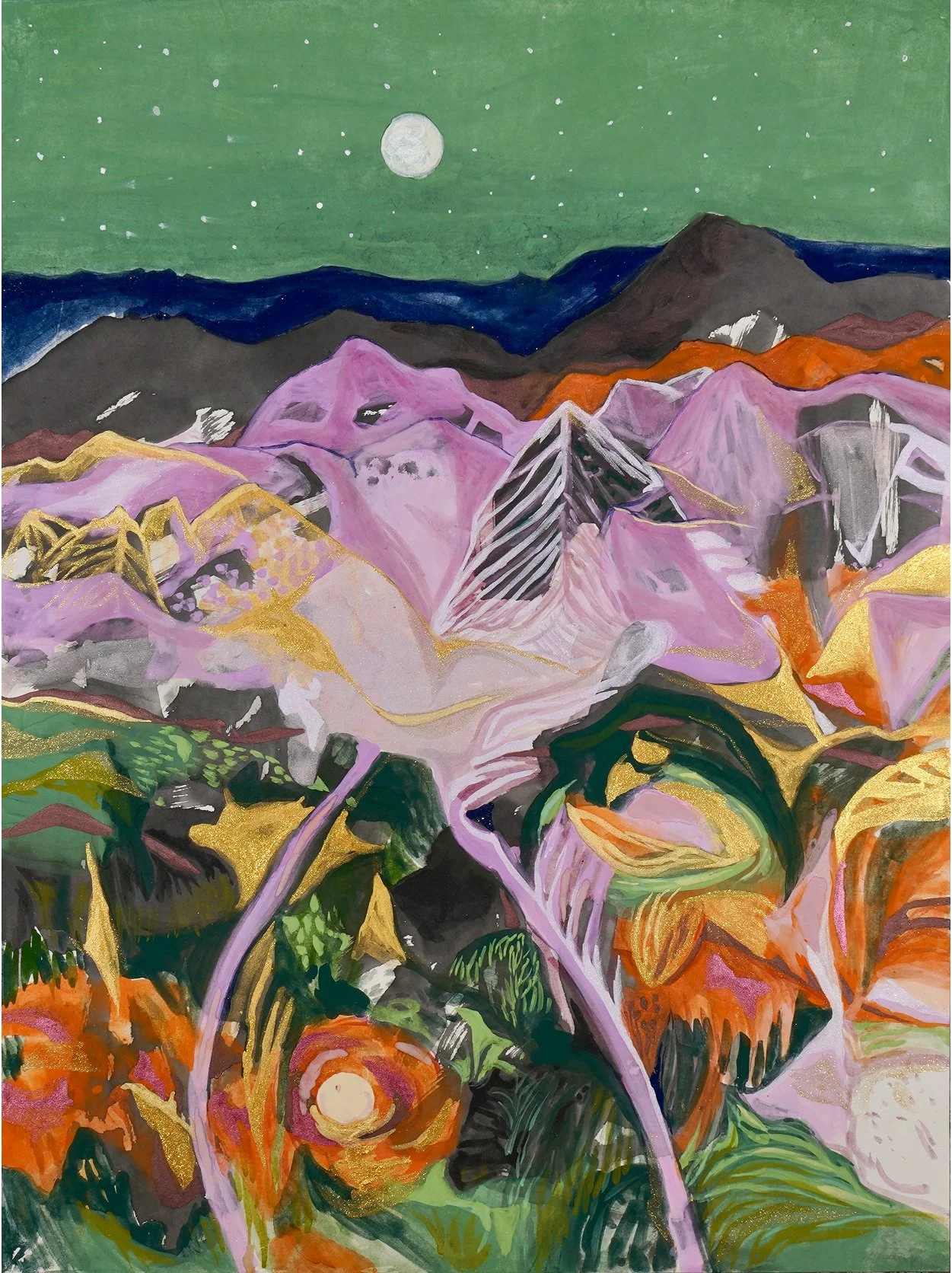
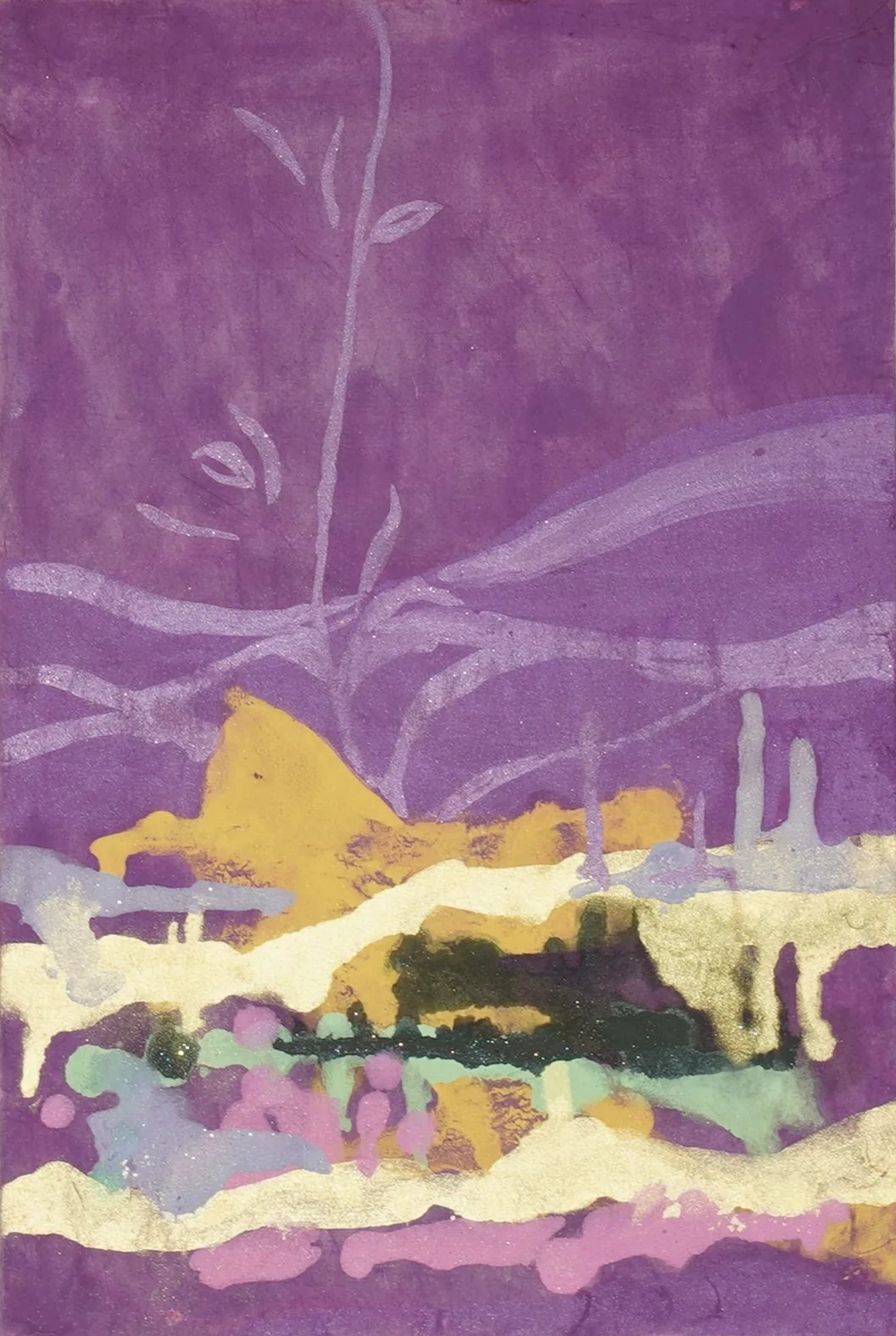
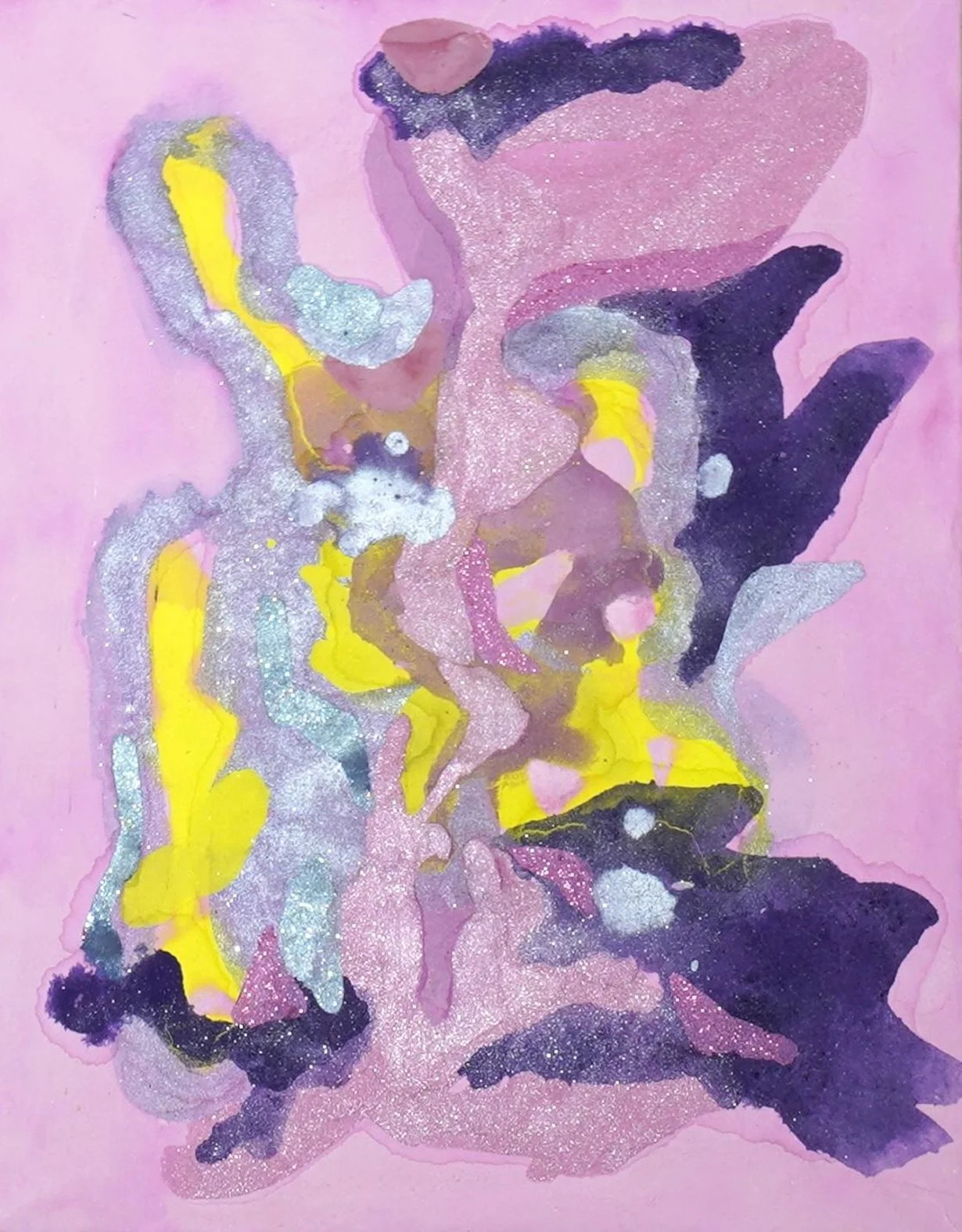
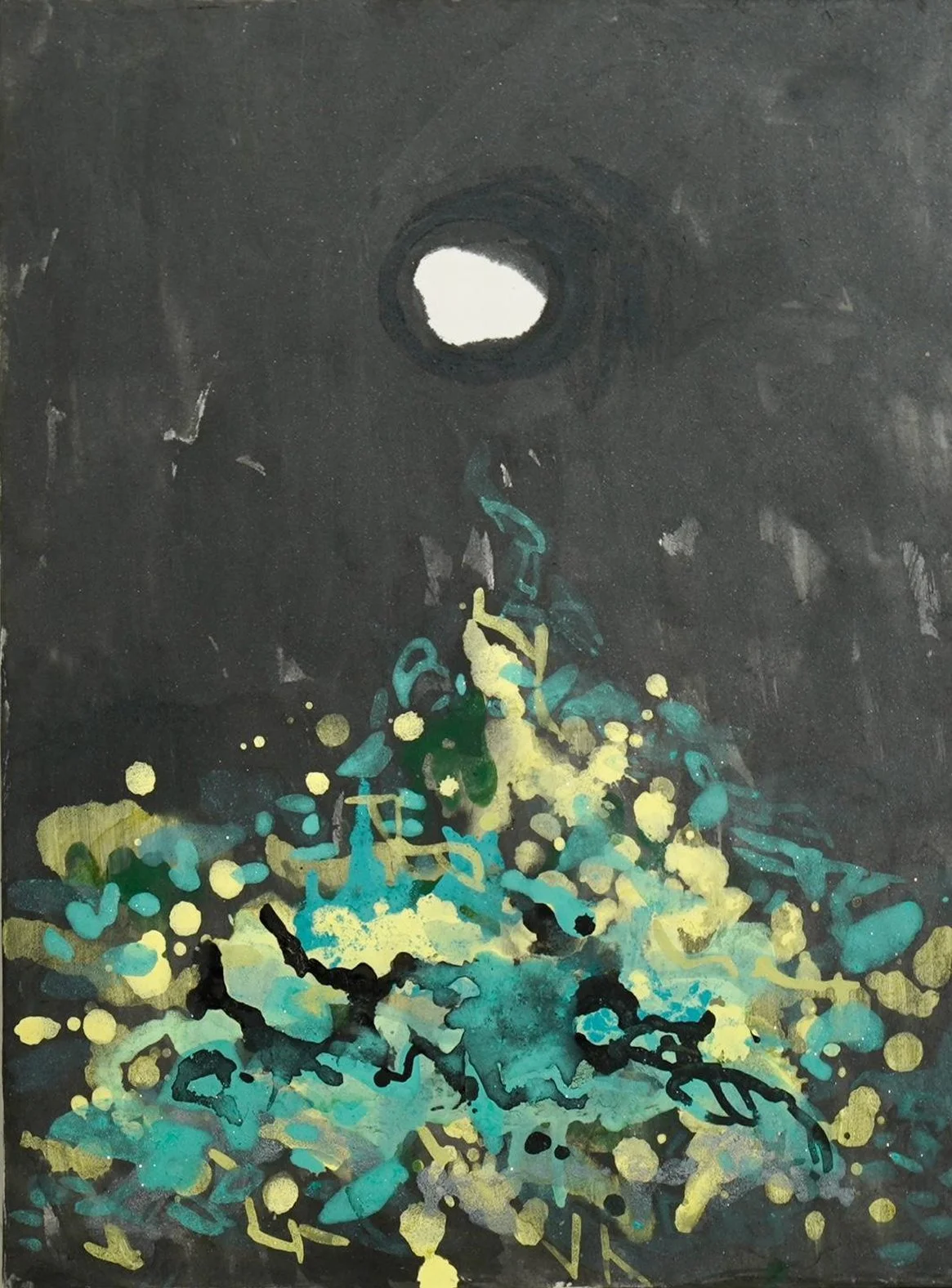
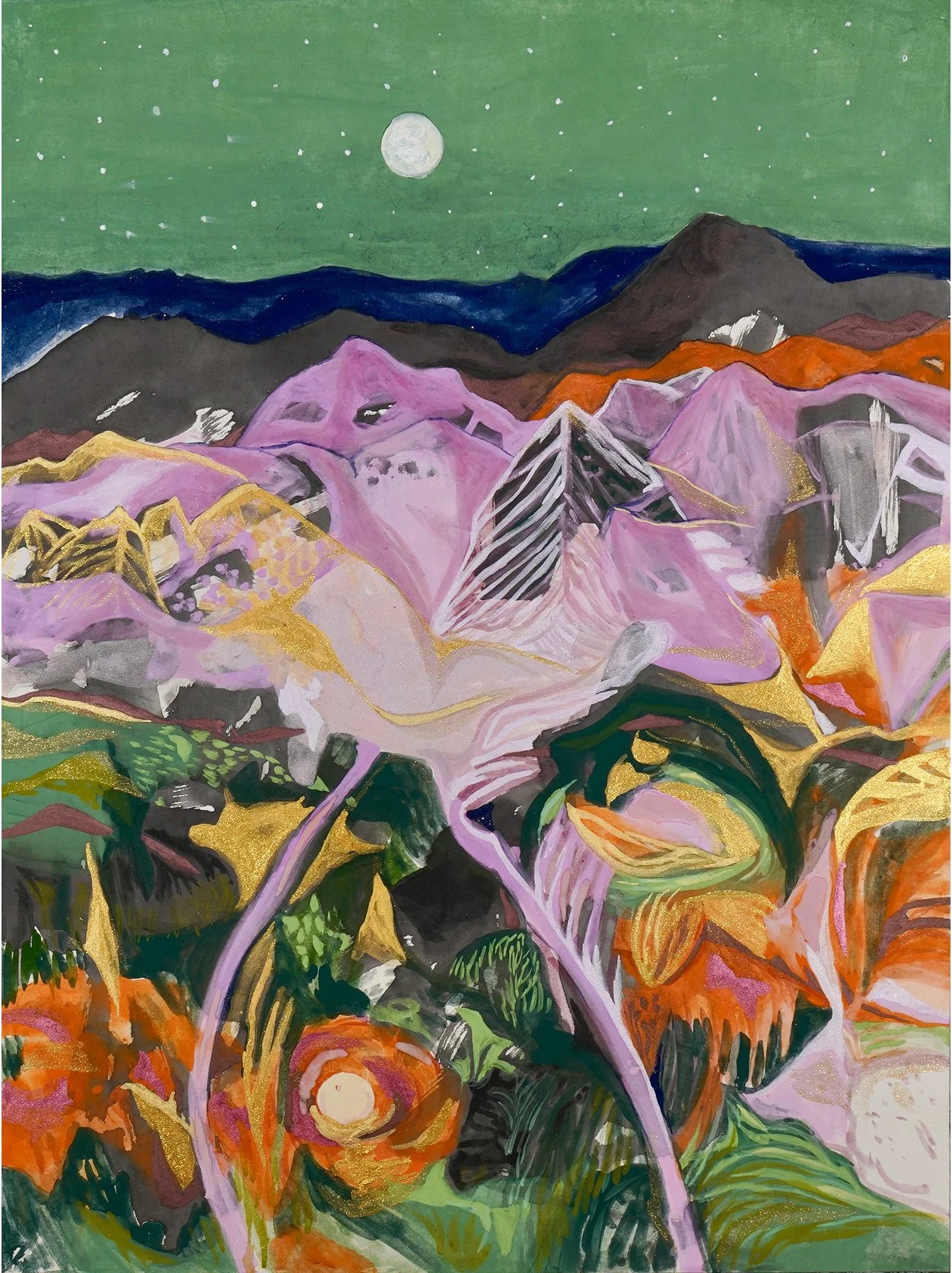
Call it a personal touch. Like many Korean-American artists, painter Stephanie Kim seeks to reconcile Eastern and Western aesthetic influences, and to honor Korean tradition while fully engaging the present cultural moment. She does this, in a signature fashion, by using venerable materials—ink, mineral pigments, and ㅡmulberry paper—to new artistic ends. Rather than depict landscapes, trees, flowers, and animals as an array of quintessential forms, she creates intimate fields of overlapping, elongated, semi-transparent shapes, some expressively representational and some abstract. These fragmented forms, rendered in subdued colors that radiate in elastic space, recall common elements of nature (mountains and water, flora and fauna) without literally transcribing them. Kim’s small- to medium-sized paintings function not as signs of the outer world but as evocations of inner states, emphasizing the innate rapport among individuals and the constant interplay between human beings and their environs.
The subtle joy these compositions convey may reflect the biographical circumstances of their creation. Trained in an arts high school, Kim went on to earn BFA and MFA degrees in Oriental Painting at Ewha University, the famed women’s college in Seoul. She began showing her art in 1995 and participated in the Young Artists Invitational Exhibition at the Hangaram Art Museum in 1996. The following year, she moved to the United States, where she obtained a certificate in digital design from the Art Institute of Pittsburgh in 2000. Soon thereafter, the responsibilities of marriage, work, and motherhood intervened, causing a hiatus in the public presentation of her work. Now, however, the artist has reemerged onto the international scene, with solo gallery shows in the US and Korea, and group exhibitions in numerous American cities, including New York, Dallas, and Miami.
Throughout her career, Kim has focused on the solace of nature and the overwhelming importance of human connections. Her works from 2025, though her most abstracted to date, retain that earnest poignancy. A Night Touched by Moonlight is a primordial dream: a daub of yellow in purple-blue expanse above a tangle of variously colored forms recalling mountains and nameless entangled creatures. In Rising Breath, plant-like shapes, departing from a multi-colored horizontal hodge-podge, ascend against a green background up to and conceptually beyond the painting’s upper limit. Yellow Valley, with its V-shaped structure reminiscent of Georgia O’Keeffe’s sly allusions, gives an erotic tweak to the longstanding association between hilly landscapes and the female human figure. The ironically titled Blooming centers on what could be a lotus blossom, strangely black. My Little Dream, immediately inviting interpretation, has the provocative ambiguity of a Rorschach test rendered in pinks, blues, and yellows.
Thus the coming together of diverse elements in Kim’s paintings—Eastern and Western sensibilities and artistic techniques, human and nonhuman subjects, memories and current perceptions, nostalgia and expectations—communicates an intense subjective presence in the moment, a mode of happiness. This is a theme little discussed in current criticism, despite the fact that well-being has been central to philosophy and religion for centuries. Eastern thought, especially in Hinduism and Buddhism, equates happiness with blissful centeredness, a release from illusion, striving, and multiple lives. Judeo-Christianism located true and lasting salavation out of this world altogether, in Heaven. Western secular thought, by contrast, has wrangled with conflicting notions: contentment versus achievement, pleasure versus rectitude. In Greece and Rome, Epicureans sought positive enjoyment, while Stoics advocated simply avoiding pain. Champions of eudaimonia, like Plato and Aristotle, suggested specific means—healthy living, rationalism, friendship, virtue—for attaining fulfillment. Kant, in the 18th-century, narrowed those options to doing one’s moral duty.
Perhaps most remarkable is that aesthetic modernism, as driven since the late 19th century by the avant-garde, has eschewed, indeed even disdained, happiness and sensual delight in favor of a stern emphasis on criticality. The job of the artist, under this dispensation, is to continually expose personal self-deception and societal faults—to critique, to resist, to subvert, and to transgress toxic norms.
But this divisive master narrative, which is really only one possible story among many, is now being challenged by artists all over the world, especially those attuned to ancient traditions, crafts, folk heritages, women’s history, and Global South cultures. Many Korean and Korean-American artist today offer a holistic alternative, based on time-honored ideas of beauty, community, harmony, and love of nature. For Western viewers, meanwhile, the essence of Stephanie Kim’s art was best expressed more than a century ago by British novelist EM. Forster: “Only connect. . . . Live in fragments no longer.”
By Richard Vine
* Richard Vine is the former managing editor of Art in America and author of such books as New China, New Art and Odd Nerdrum: Paintings, Sketches, and Drawings, as well as the artworld crime novel SoHo Sins.