Celebration Of The Blessings

Exhibition: August 20th, 2026
Opening Reception: August 20th (4-6pm)
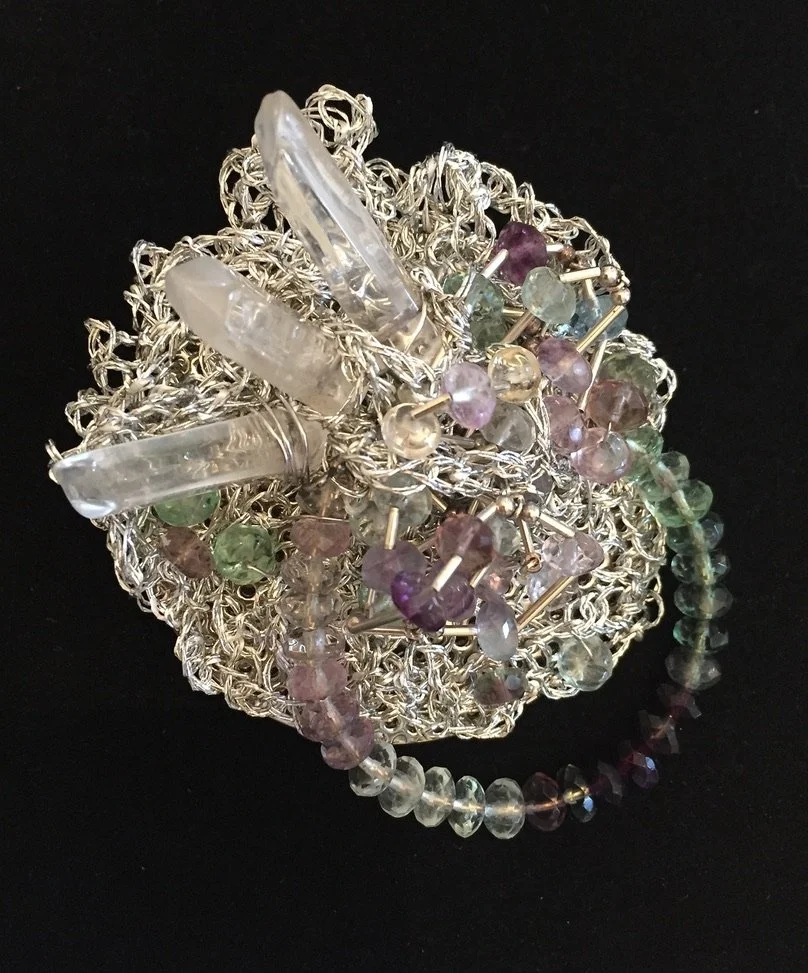
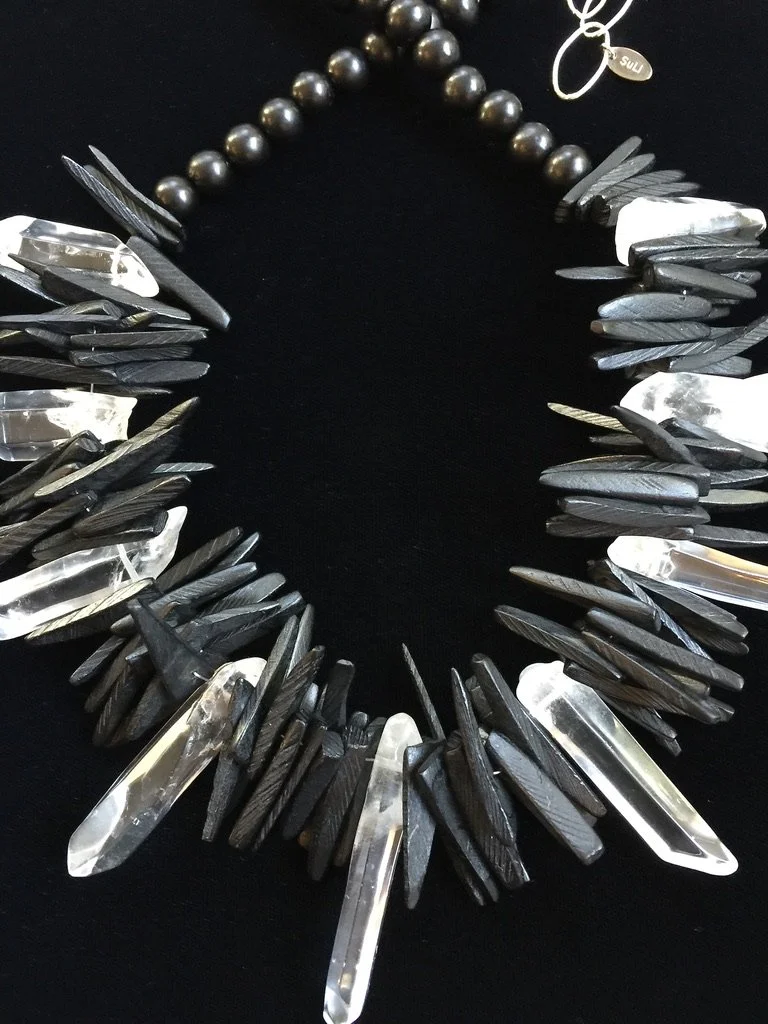
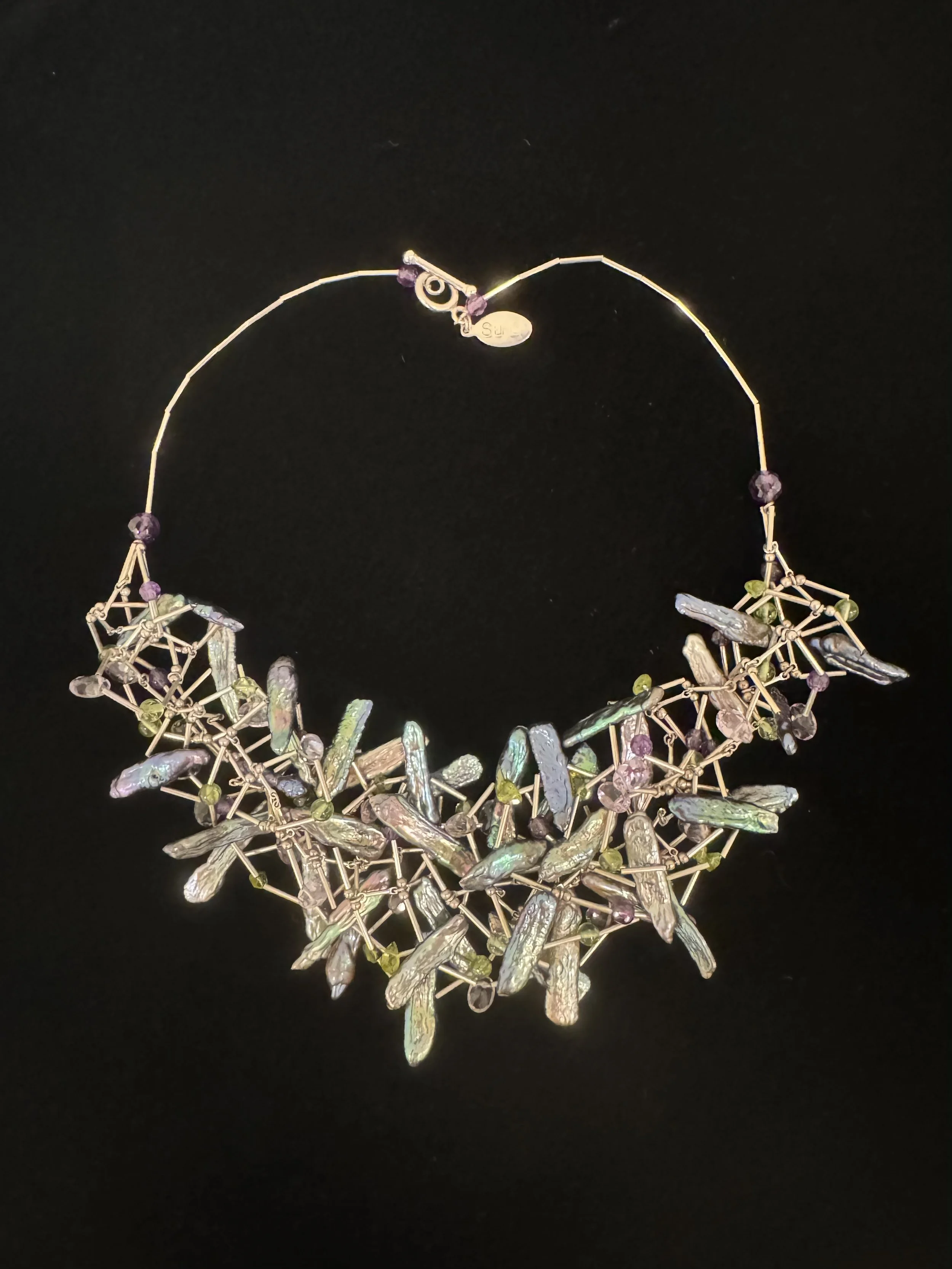
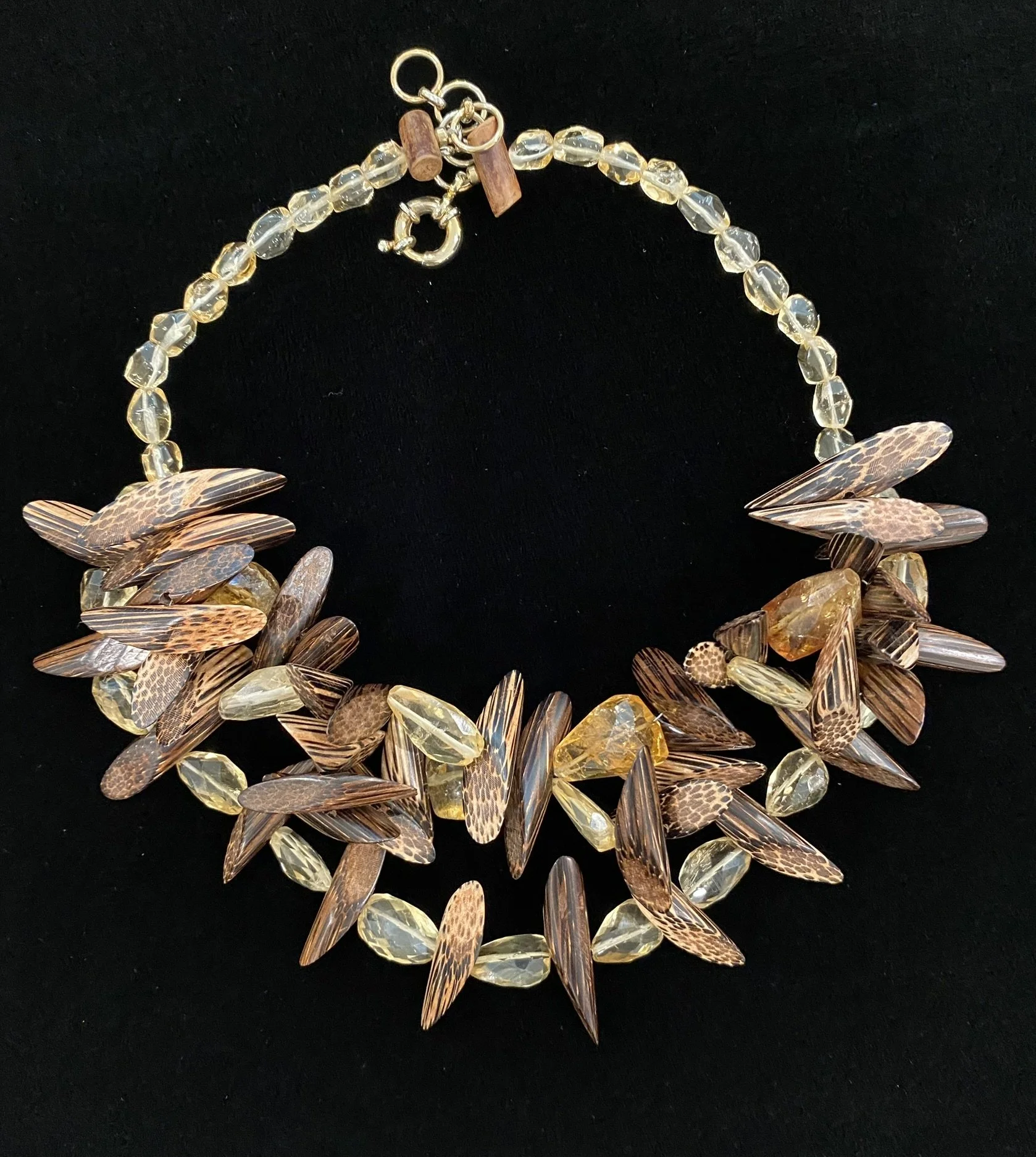
SuLi Multimedia artist
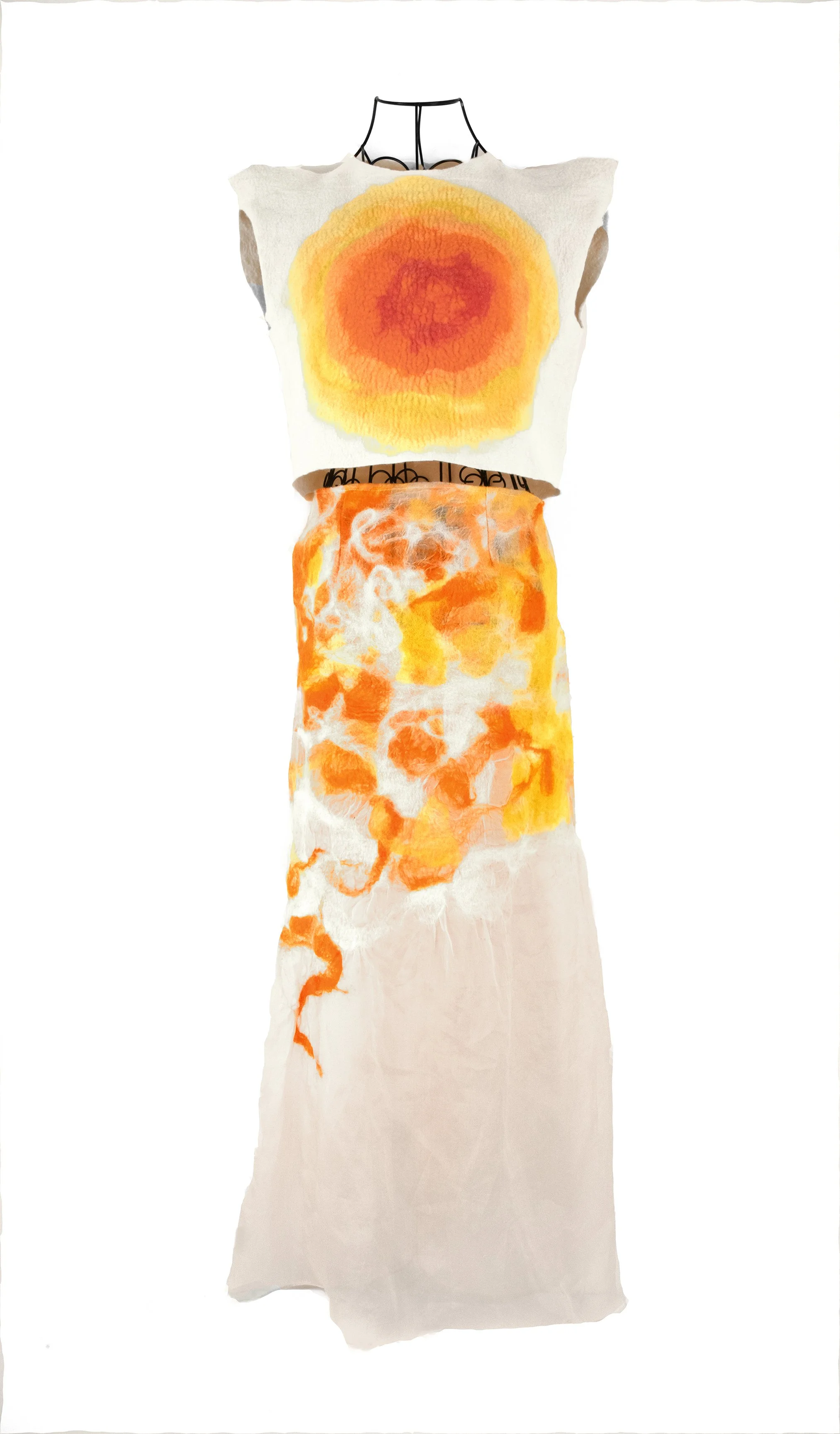
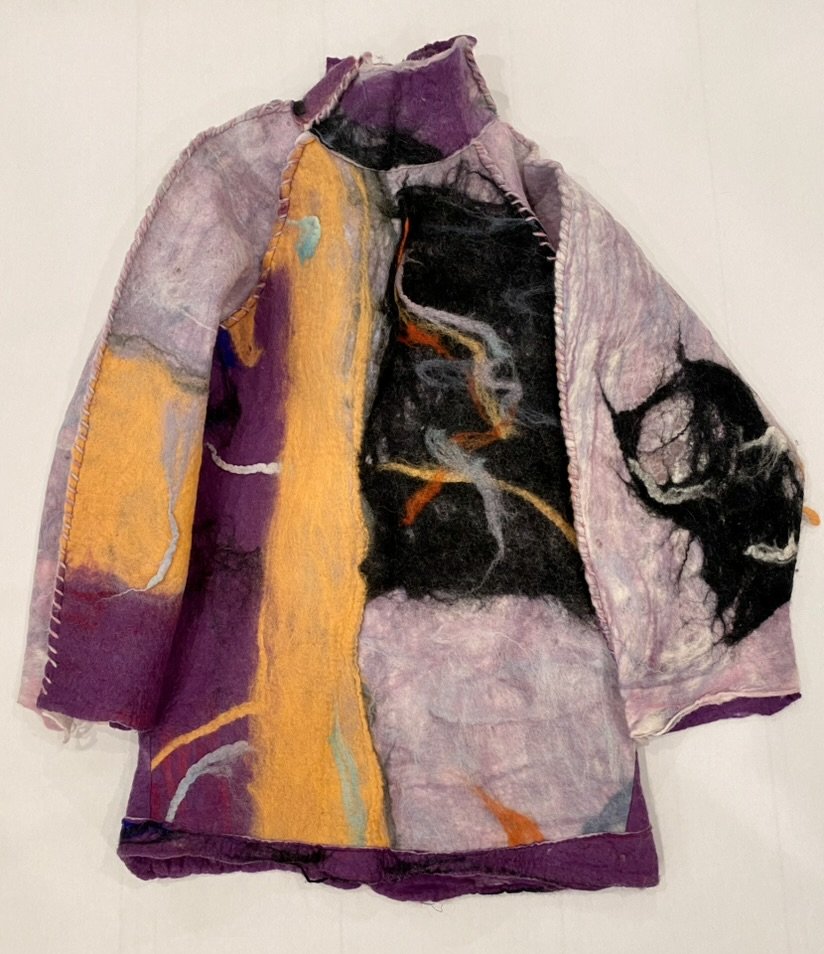
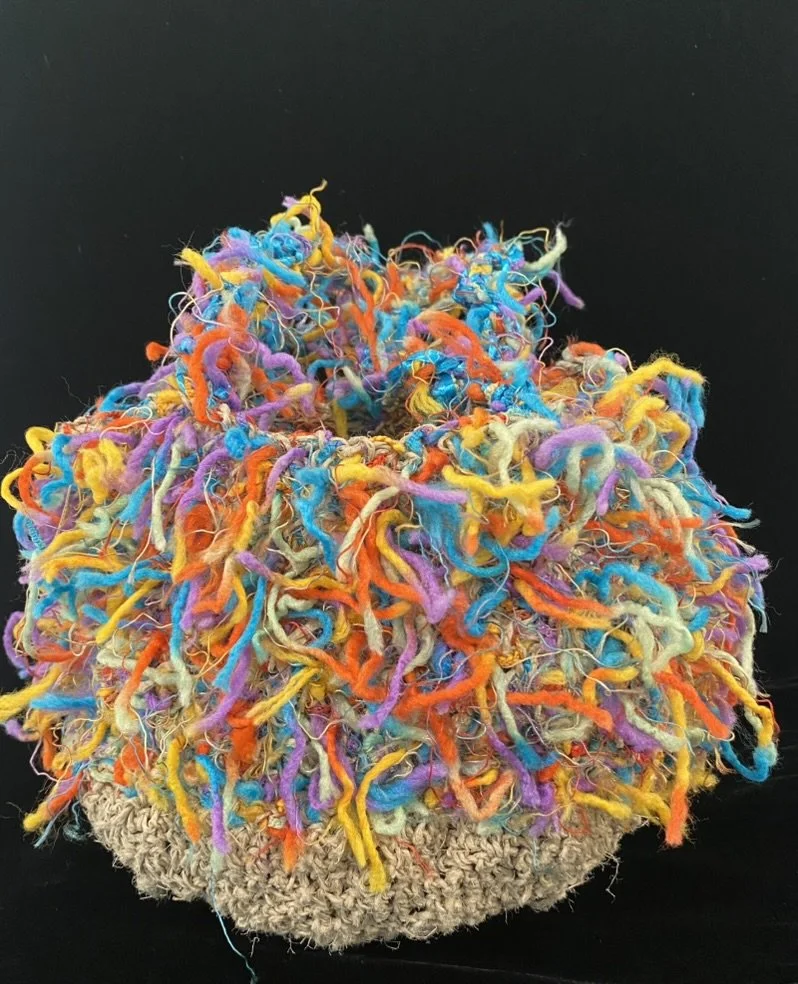
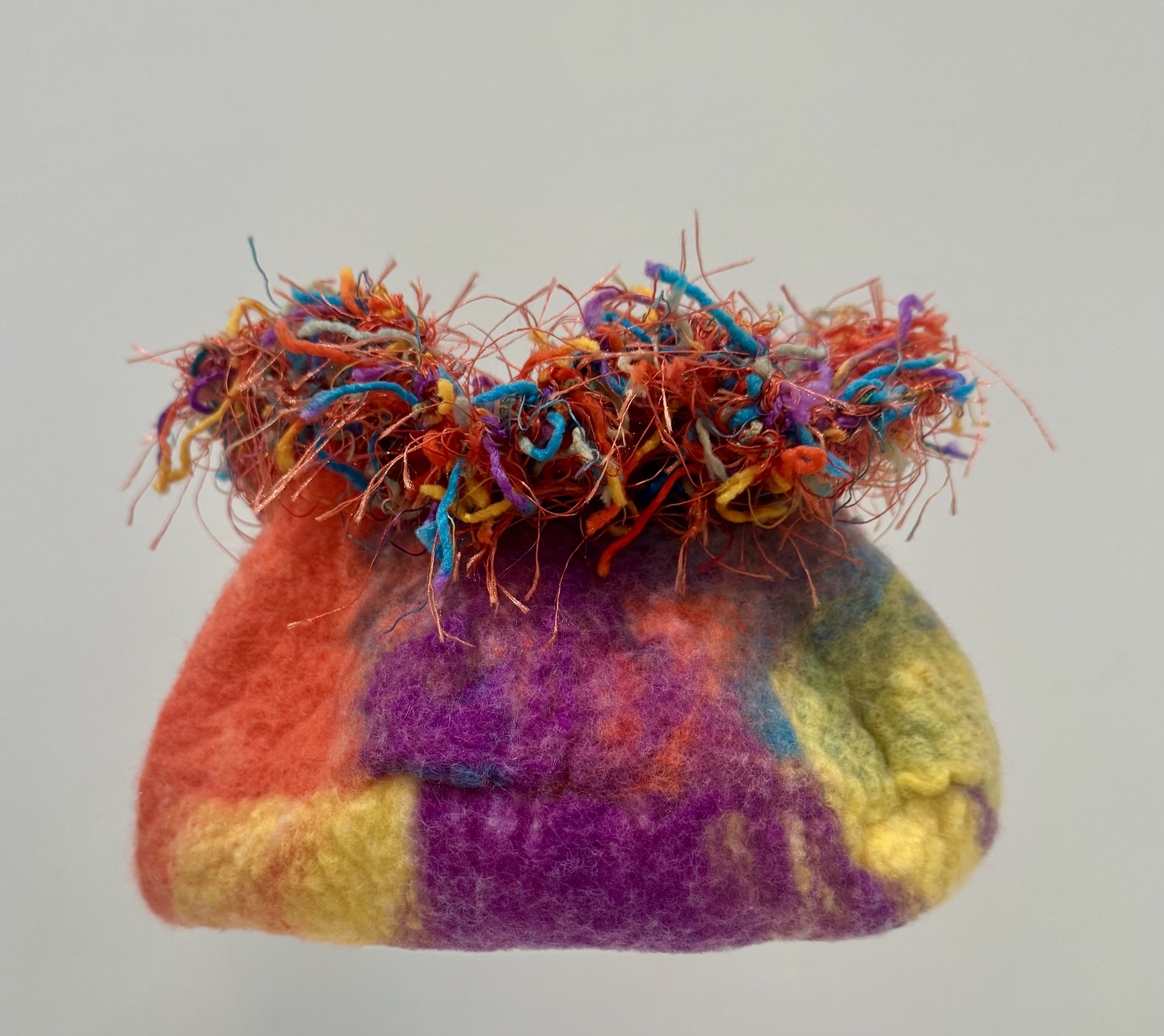
SuLi (Soyoung Lee) is a multimedia visual artist whose work blurs the boundaries between
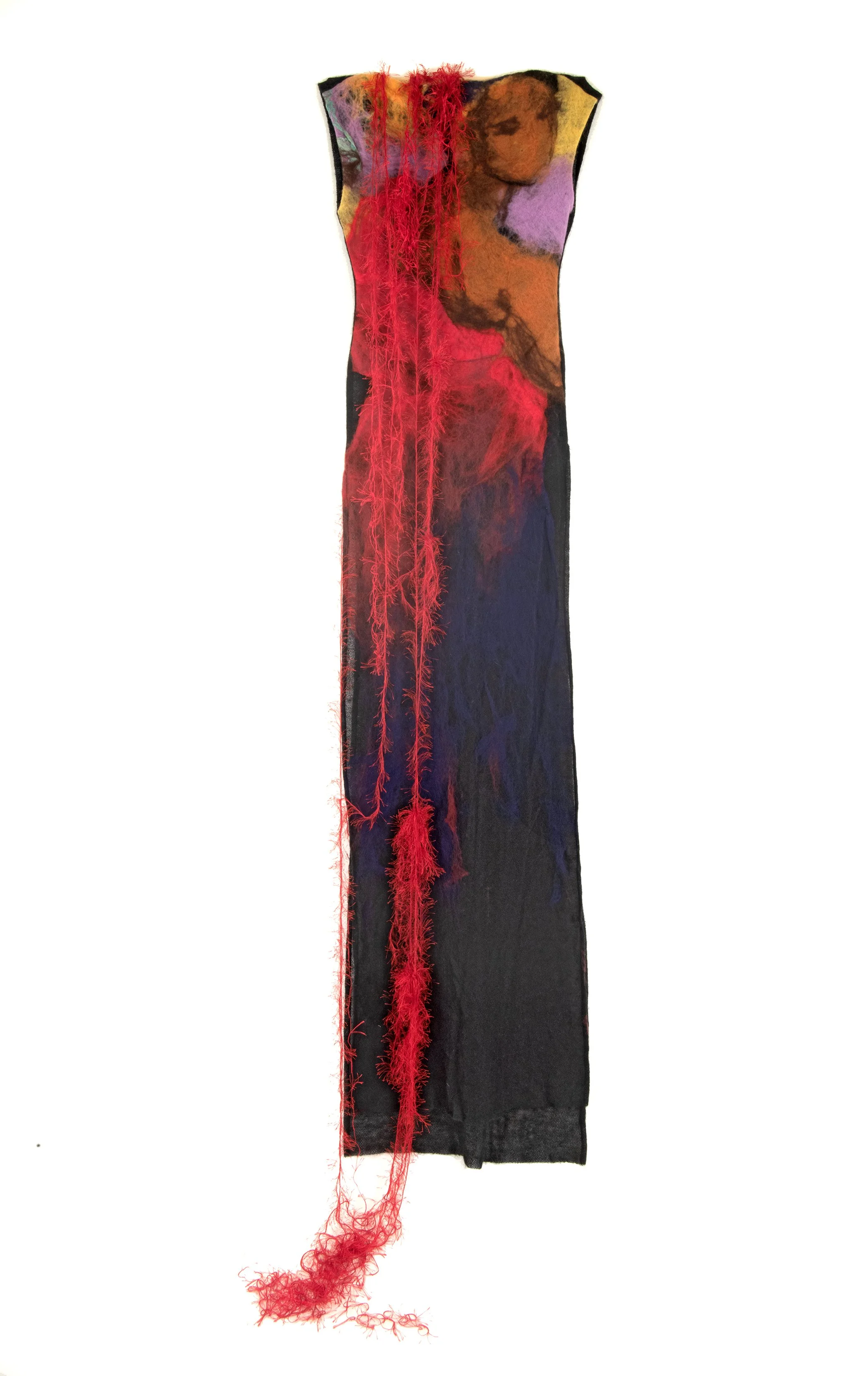
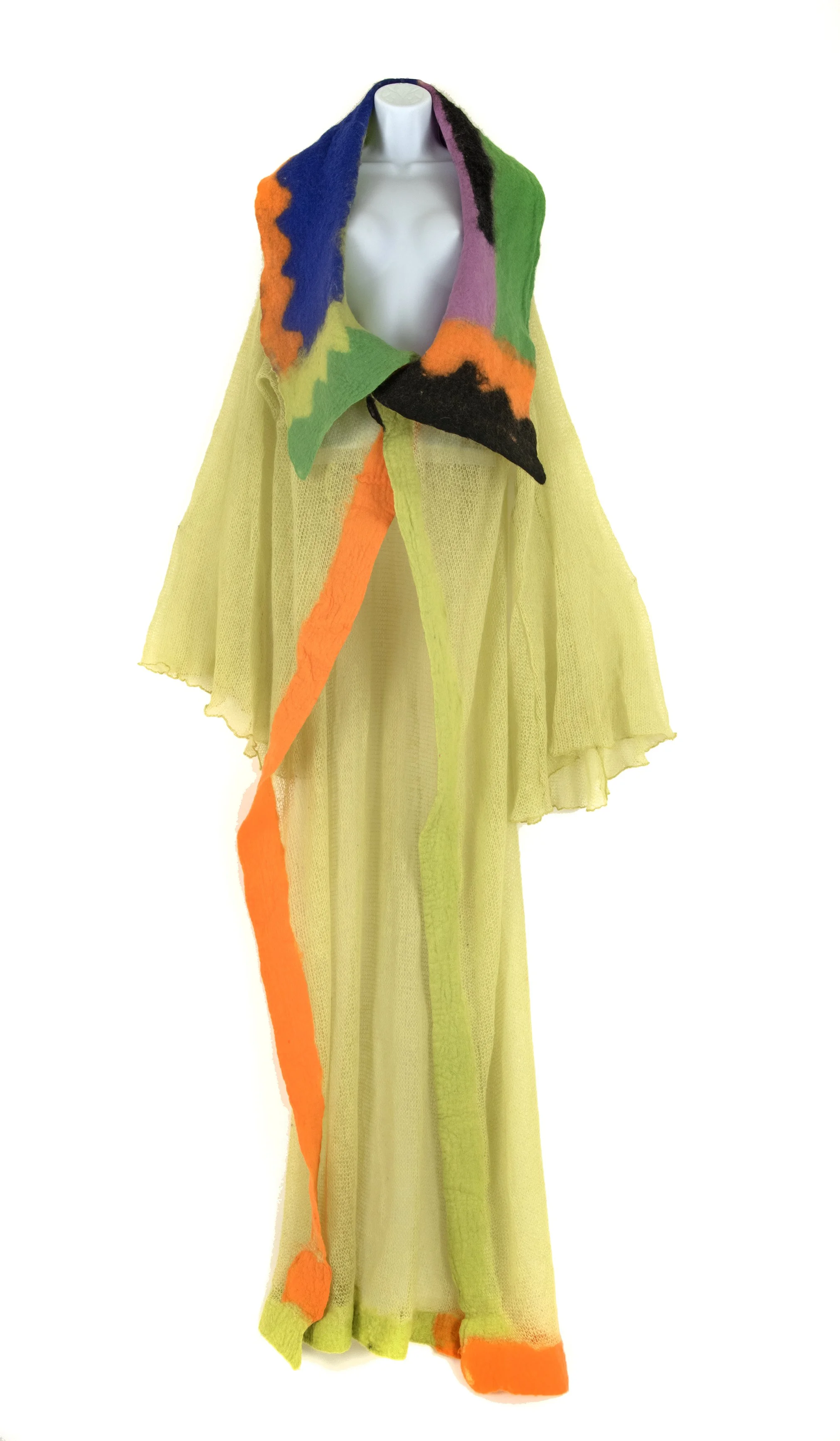
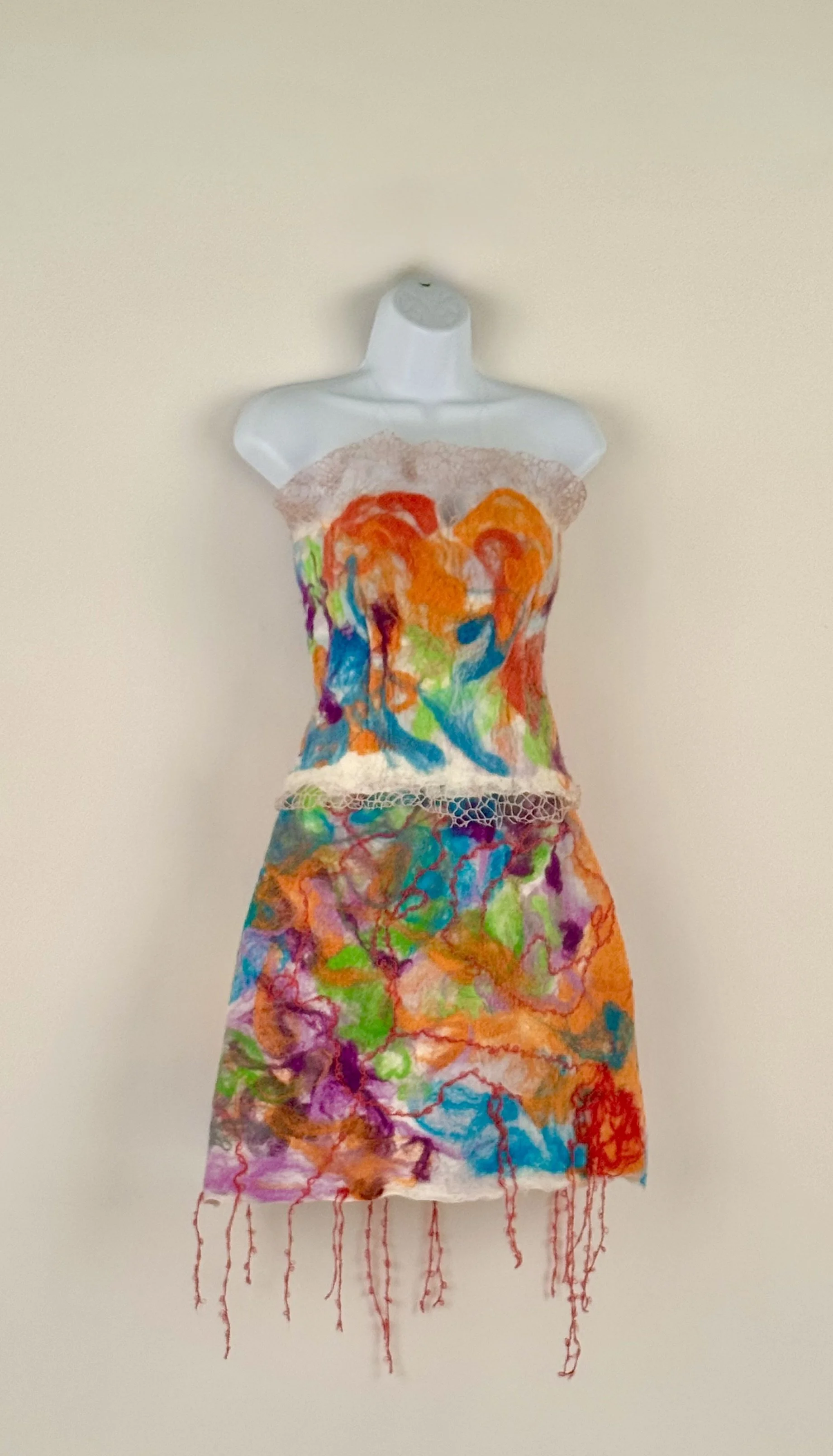
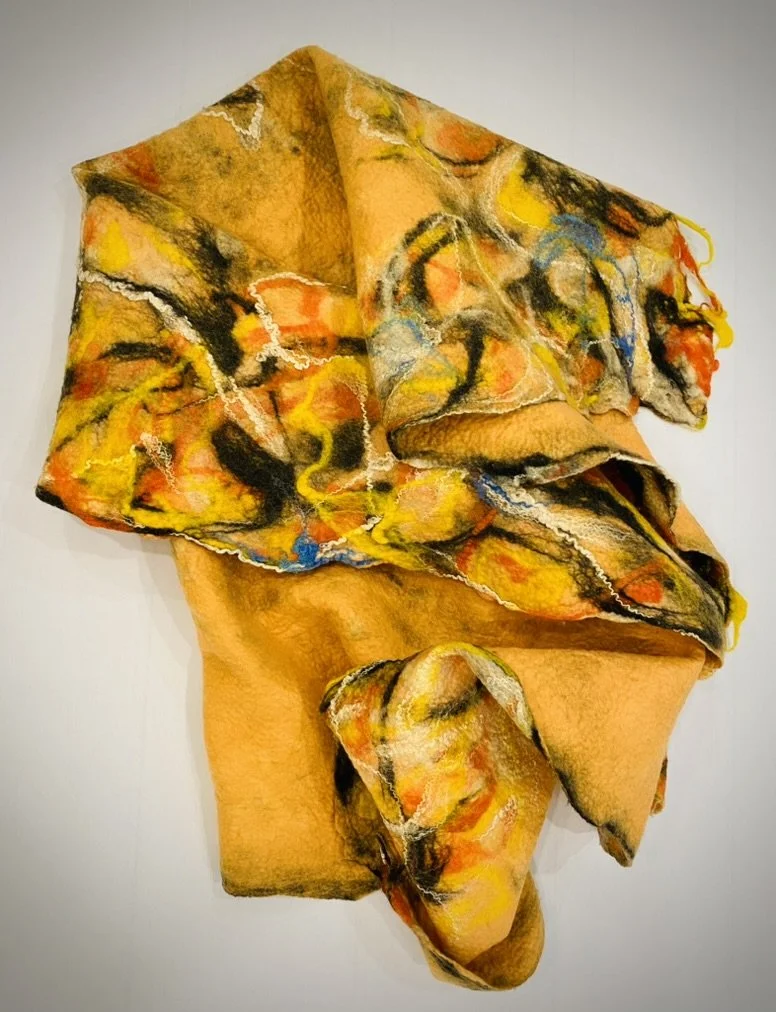
fine art, craft, and fashion. She transforms two-dimensional artworks into wearable forms,
incorporating textiles, recycled materials, and industrial objects through techniques such
as free-form crochet and hand felting. Her postmodern practice challenges conventional
artistic categories and has been recognized nationally and internationally. Her work was
selected for the 2026 Hill Center competition and featured in The Washington Post in
connection with the 2025 exhibition Soaring at the American University Museum at the
Katzen Arts Center. Her traveling exhibition Fashion as Art as Fashion received acclaim in
major art and fashion publications.
Born in Korea, SuLi first encountered a vibrant spectrum of colors during her teenage years
in places such as Sierra Leone, Africa and Wellington, New Zealand. She studied Visual
Communication (Graphic Design) at Wellington Polytechnic in Wellington, New Zealand,
before returning to Korea, where she completed both her undergraduate and graduate
degrees in Wearable Arts at Ewha Womans University. She then moved to the United States
and earned a master’s degree in Costume History at New York University, followed by
further studies in Textile Design at the Fashion Institute of Technology in New York. She
worked as a Collection Associate intern at the Metropolitan Museum of Art’s Costume
Institute and Contemporary Art Archivist at Sotheby in New York.



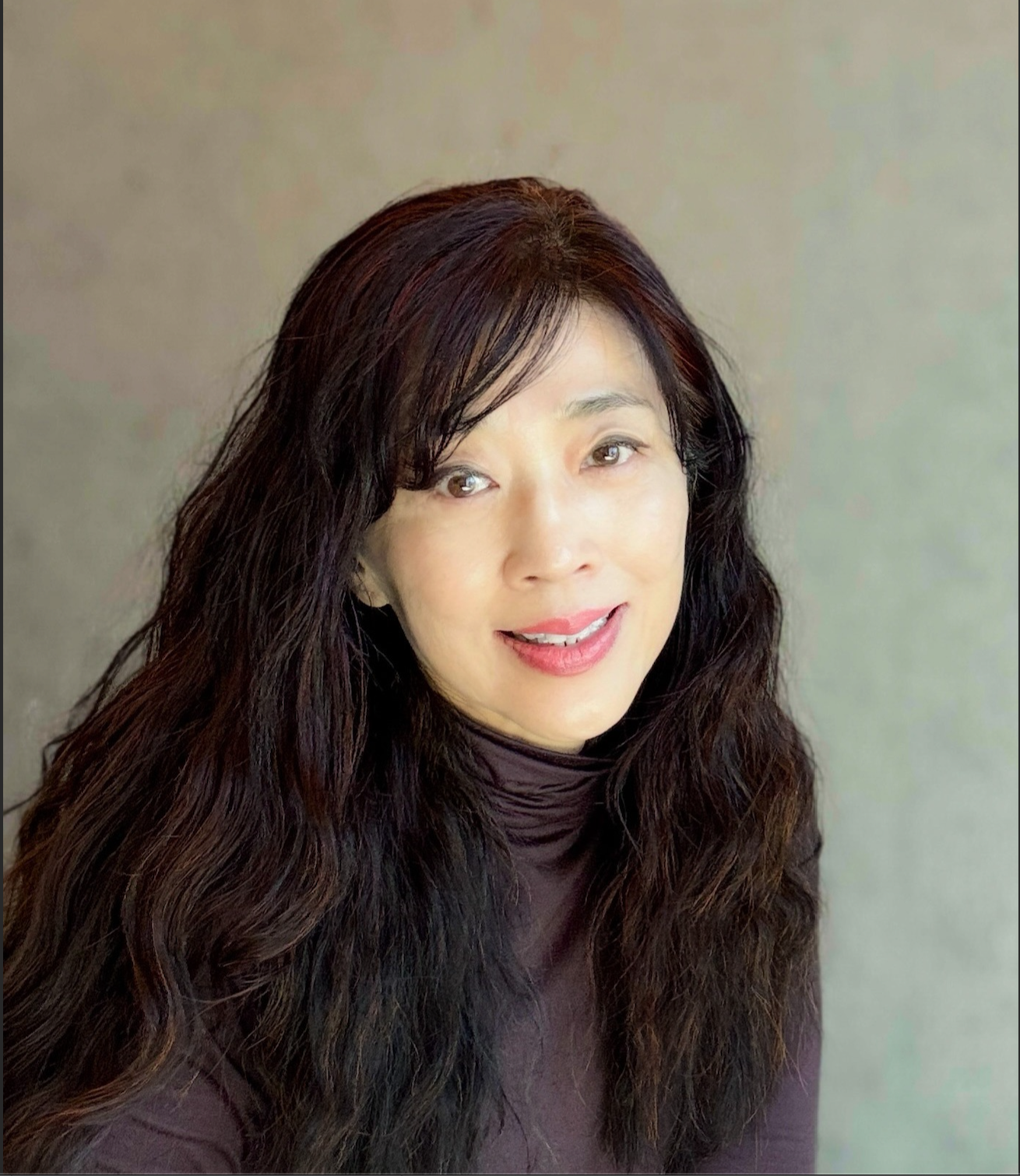
Minsun Oh Mun Visual artist
Minsun Oh Mun graduated from the Department of Oriental Painting at Ewha Womans
University’s College of Fine Arts in Seoul, Korea. After graduating, she immigrated to the
United States, where she has continued to expand her artistic practice. Beginning with
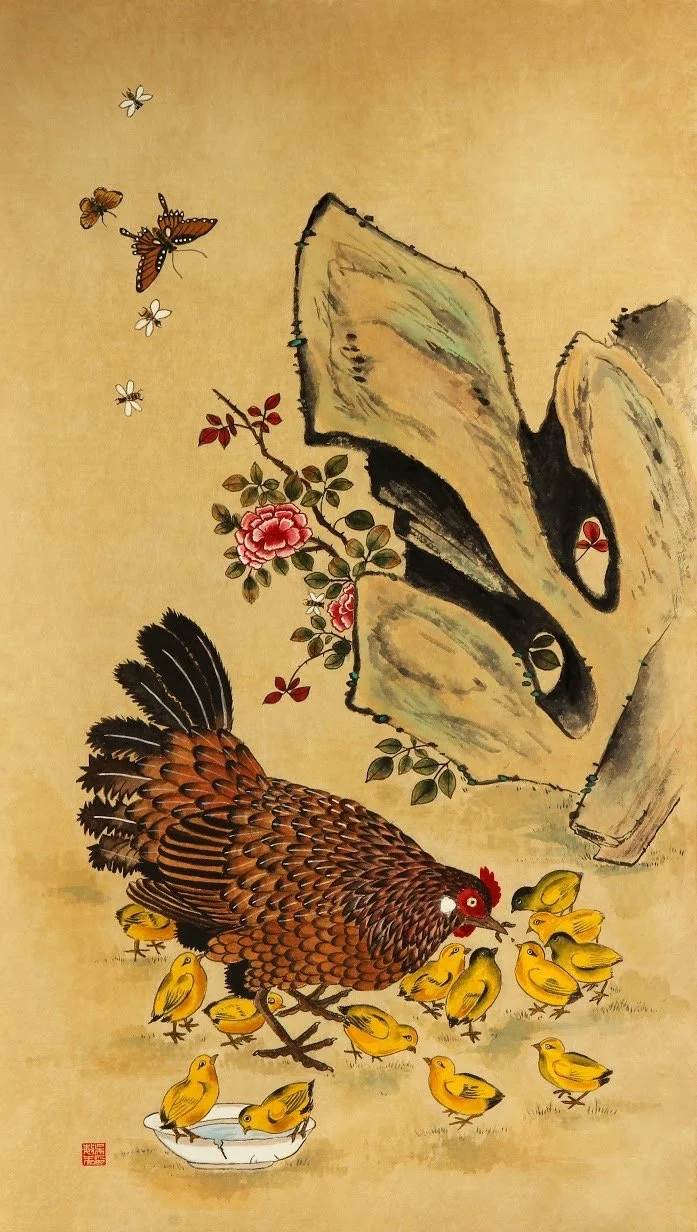
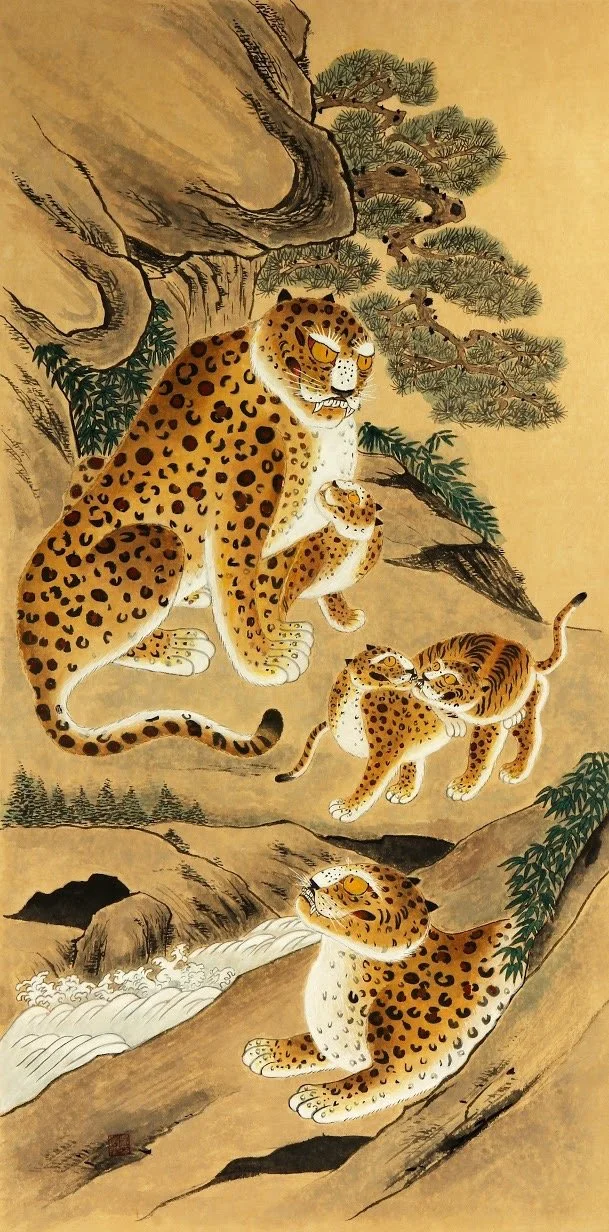
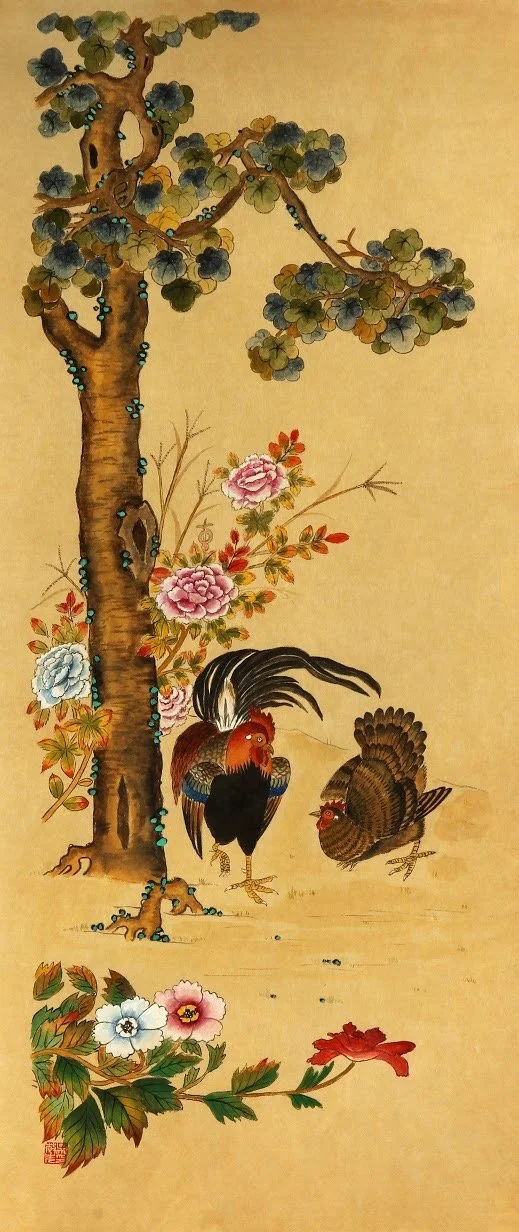
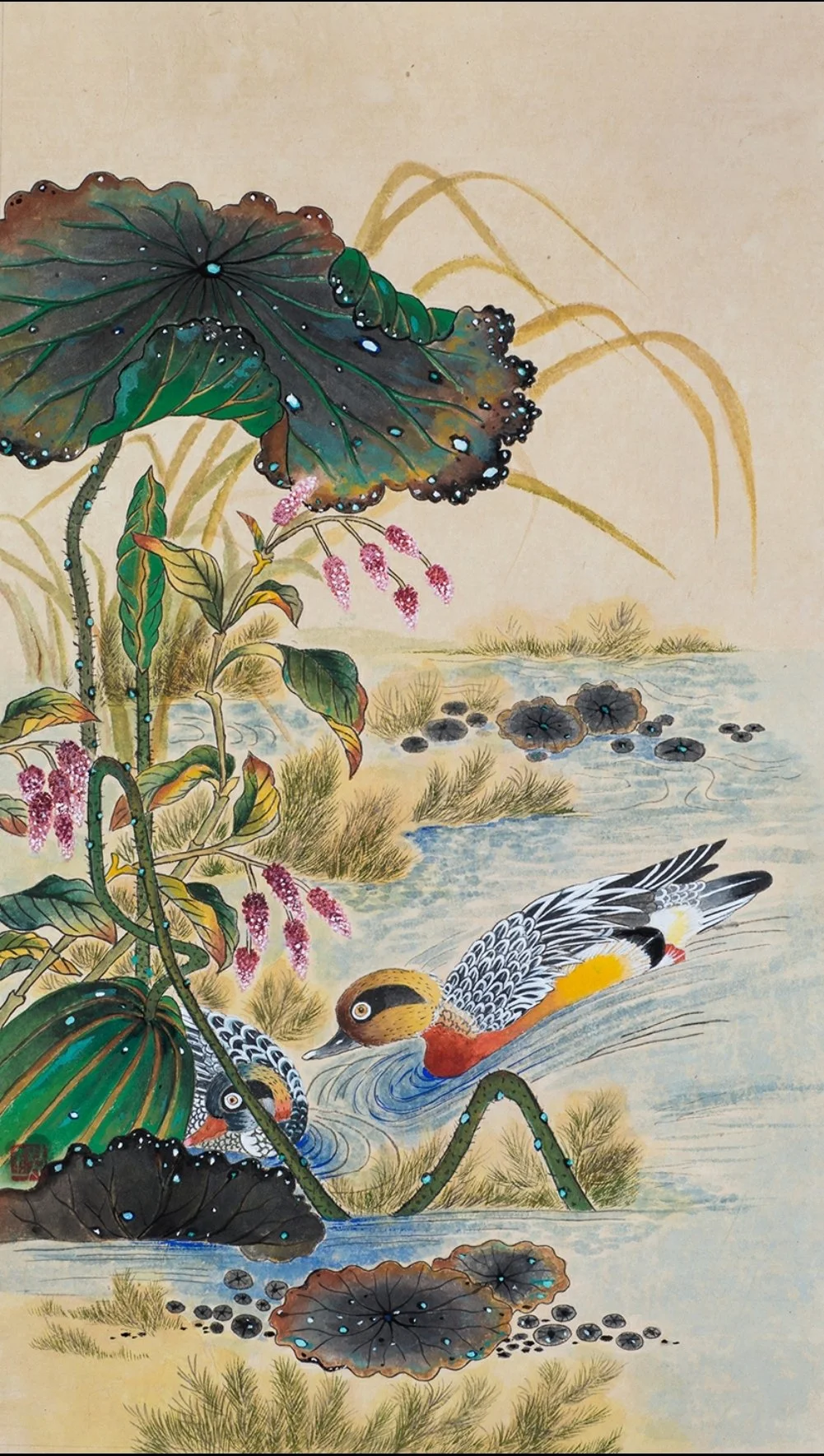
Korean traditional painting techniques such as ink painting and minwha (Korean folk
painting), she has developed an interdisciplinary body of work through experimentation in
both content and style. Her engagement with contemporary Western artistic discourse
deepened through her studies at George Washington University, particularly in Modern and
Contemporary Art from a global perspective.
Mun’s painting was selected at the 250 & Counting Juried Exhibition at Falls Church Arts
Gallery in Falls Church, VA in 2026, received the Special Artist Award from the Korean
Art Critics Association in 2020, and won the First Prize at the WCCW Art Juried
Competition. Her exhibitions and artistic activities include the Art Forum International
Exhibition in Hainan, China; the Oriental Painting Workshop at George Washington
University; the Minwha Truck Show at the Smithsonian Asian Art Museum; and
Collateral Damage at the Andrew Shiva Gallery, John Jay College of Criminal Justice,
City University of New York; Ecriture with the Body at Corcoran School of Arts and
Design and IA & A at Hillyer in 2025. In 2026, World Bank collected her three works in
DC building. Mun explores a contemporary Eastern aesthetic that bridges Korean
cultural sensibilities and American experiences.
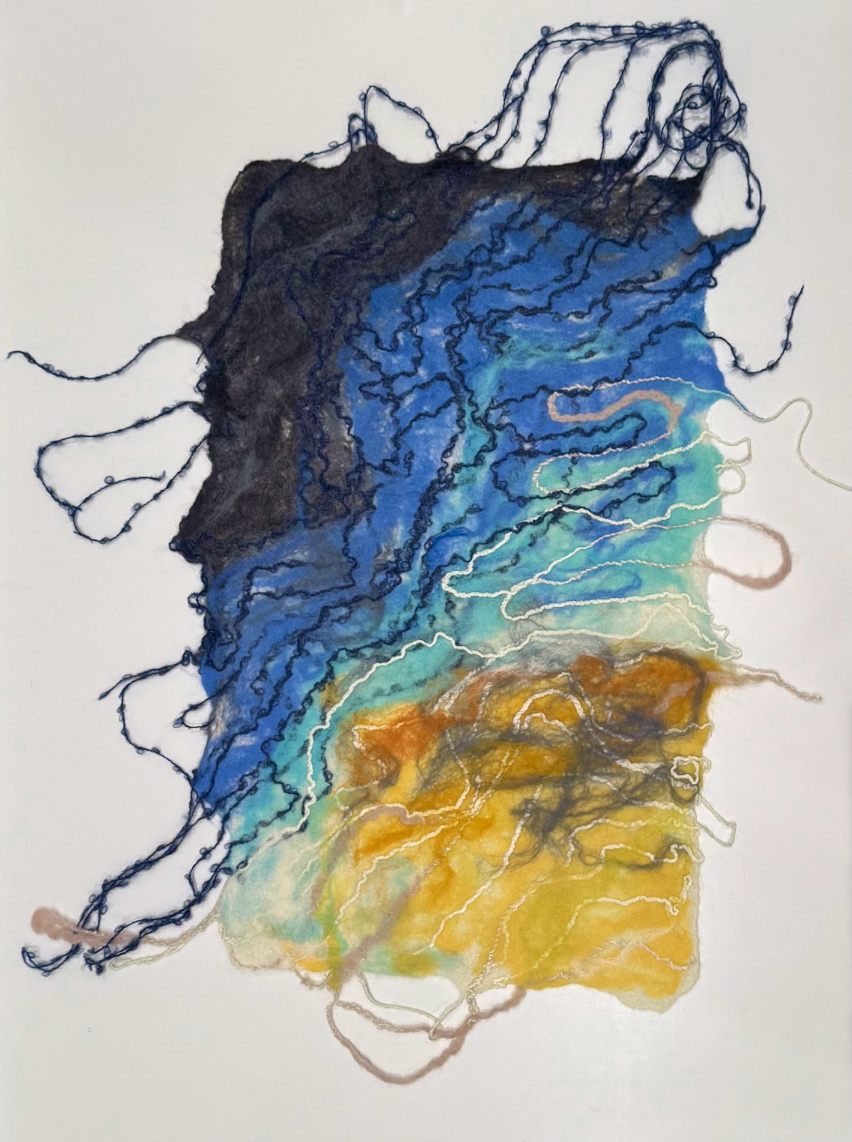
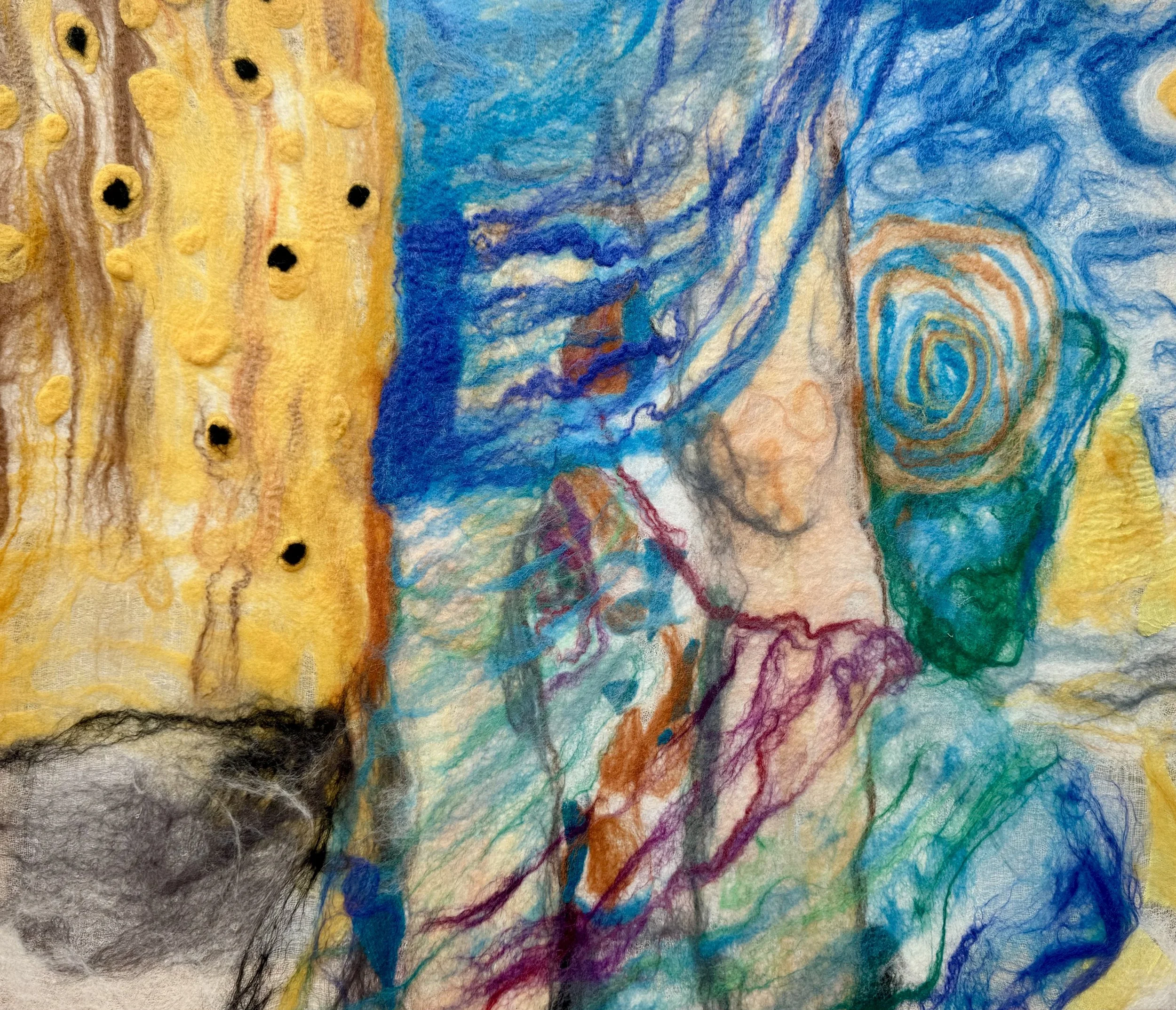
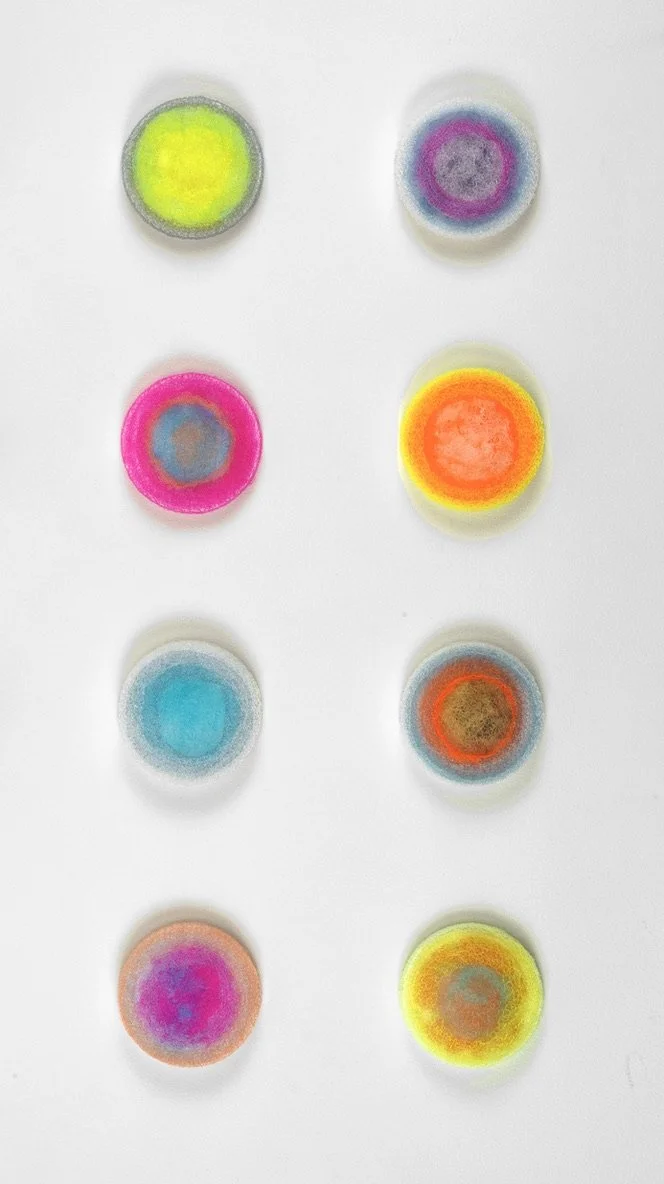
(www.minsunsart.com/art-works )Wall Installation and Wearable Art of SuLi
SuLi’s artistic practice is rooted in the sensory memories of growing up in a tropical
environment, where the vibrant colors, textures, and organic forms of nature shaped her
understanding of beauty and interconnectedness. Nature remains her primary source of
inspiration, guiding her exploration of sustainability, care, and humanity's relationship with
the environment.
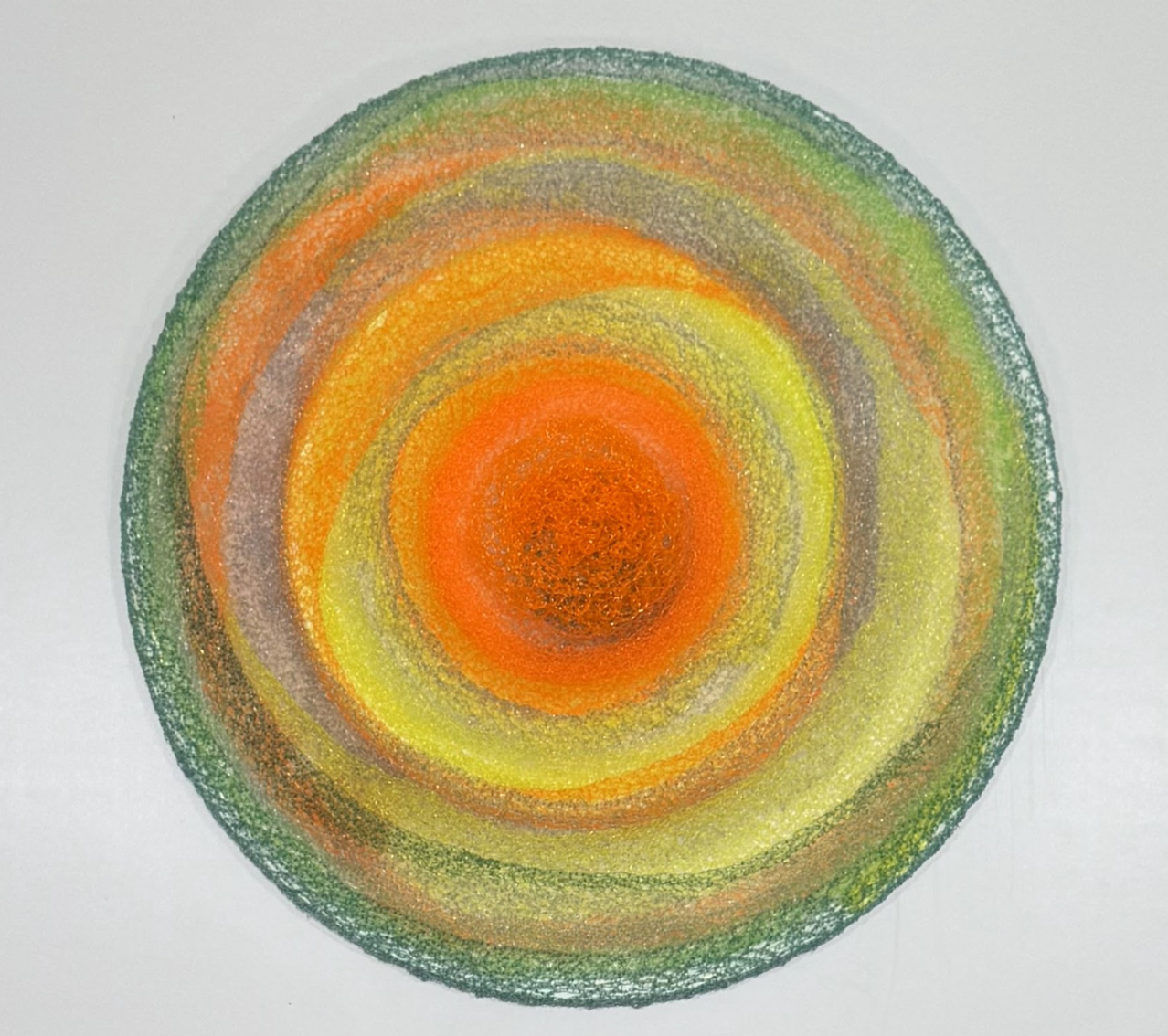
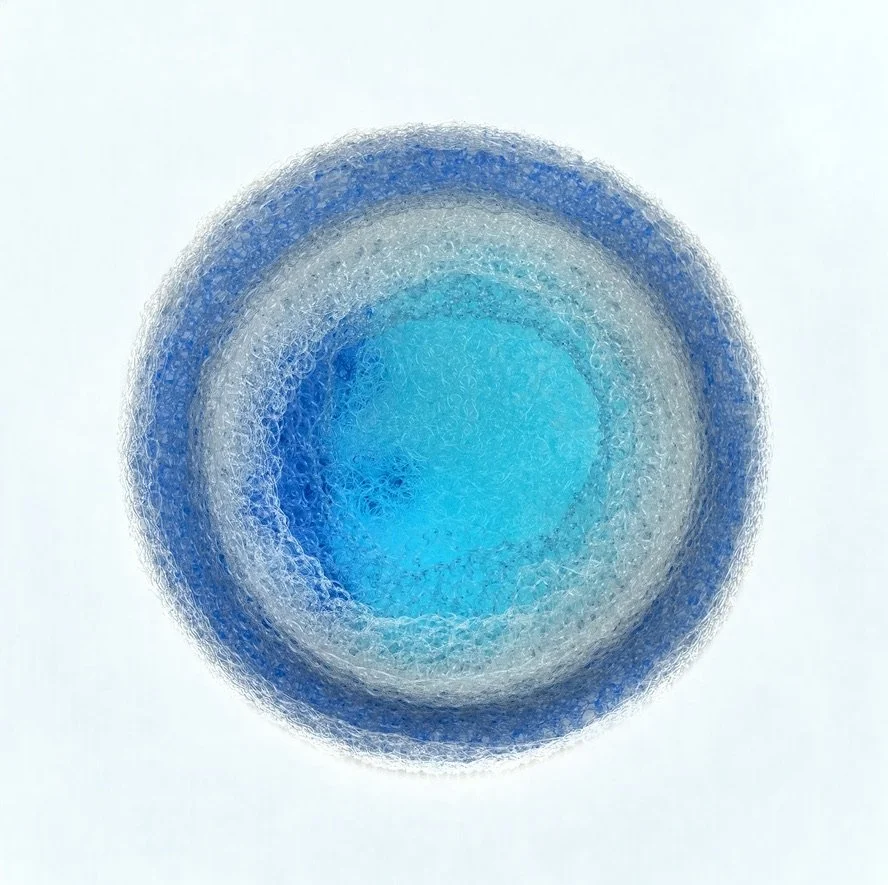
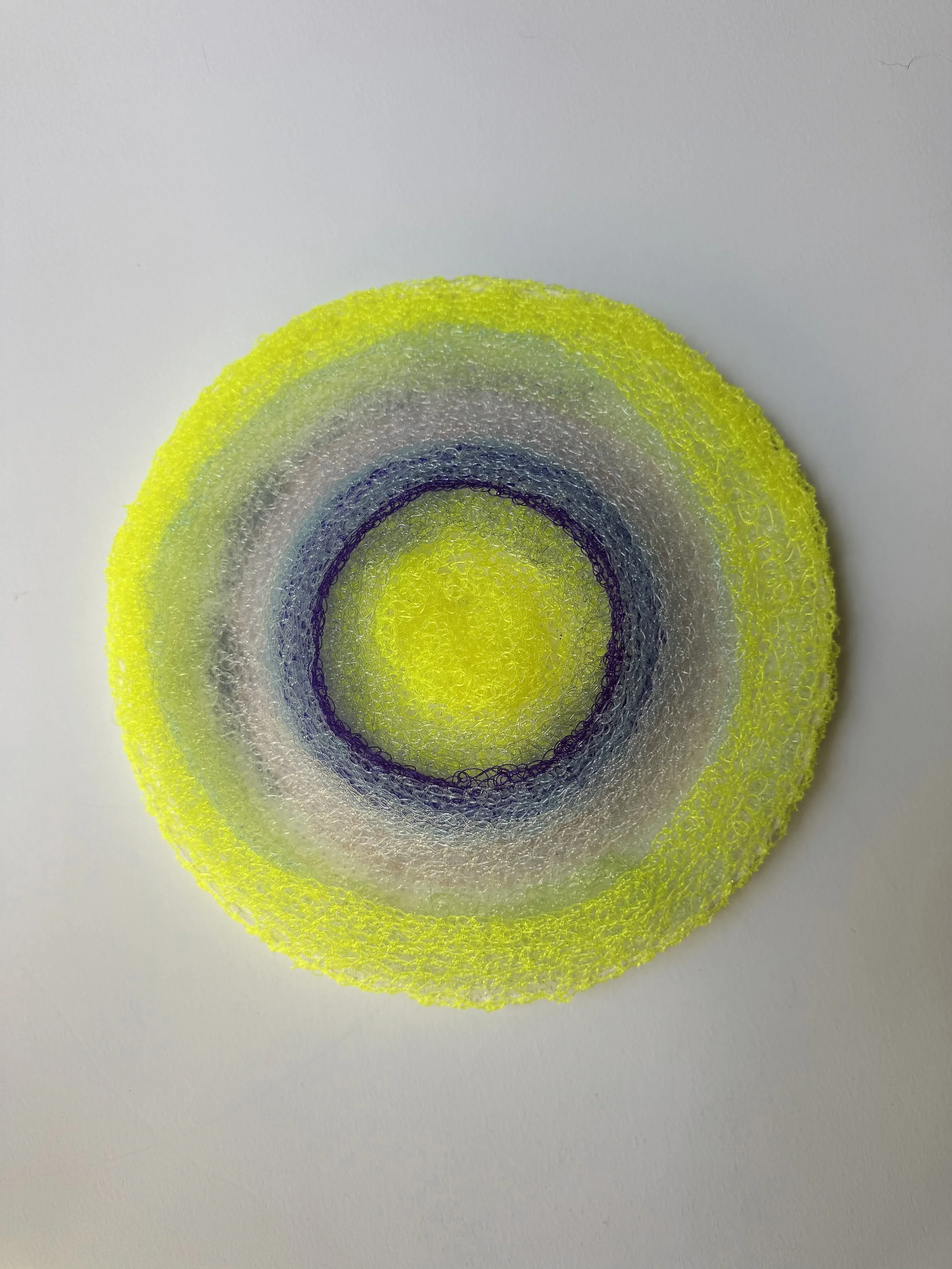
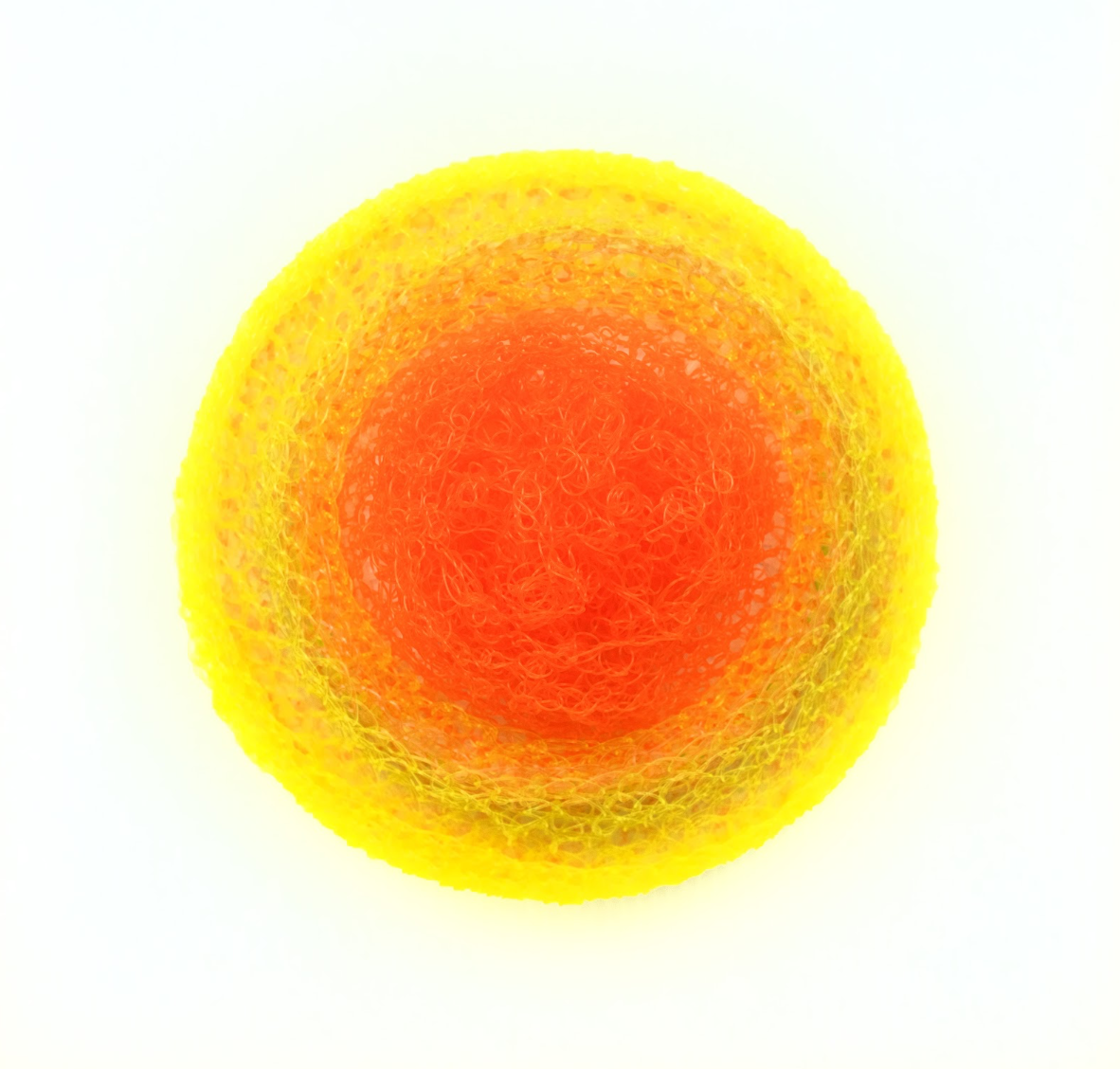
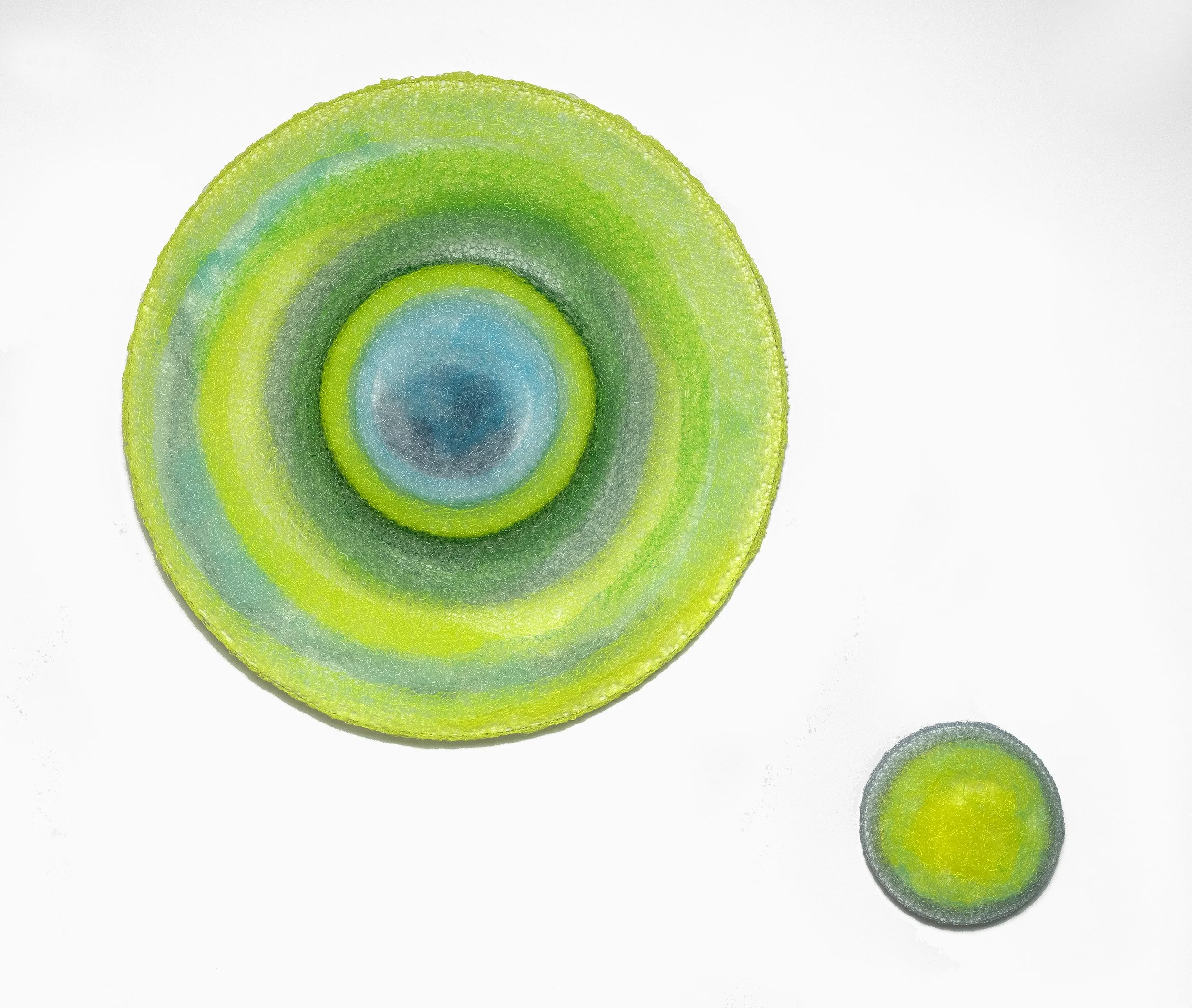
In her Rays of the Sun series, she transforms repurposed monofilament fishing line into
hand-crocheted, translucent forms that capture the ephemeral qualities of light, air, and
movement. Through repetitive and meditative handwork, discarded materials are renewed
as delicate sculptural forms that reflect both the fragility and resilience of the natural
world. The use of reclaimed fishing line also speaks to environmental stewardship and the
possibility of renewal through artistic transformation.
Light and the sun are central themes in her work. Across cultures, the sun symbolizes
creation, vitality, and spiritual energy. In both the Christian tradition and Korean mythology,
light signifies the origin of life and our connection to the greater universe. These ideas
inform her ongoing inquiry into the unseen forces that sustain and connect all living beings.
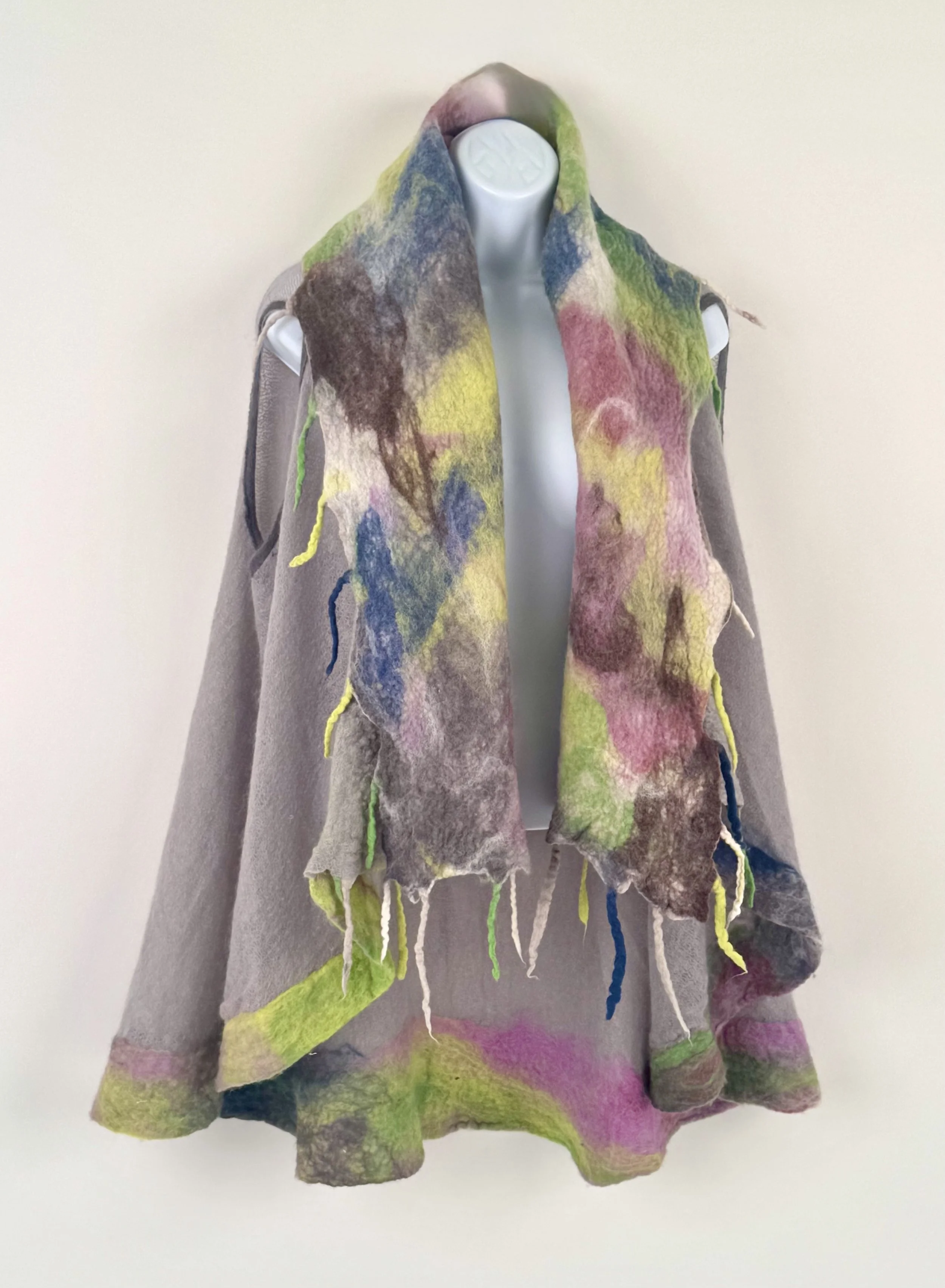
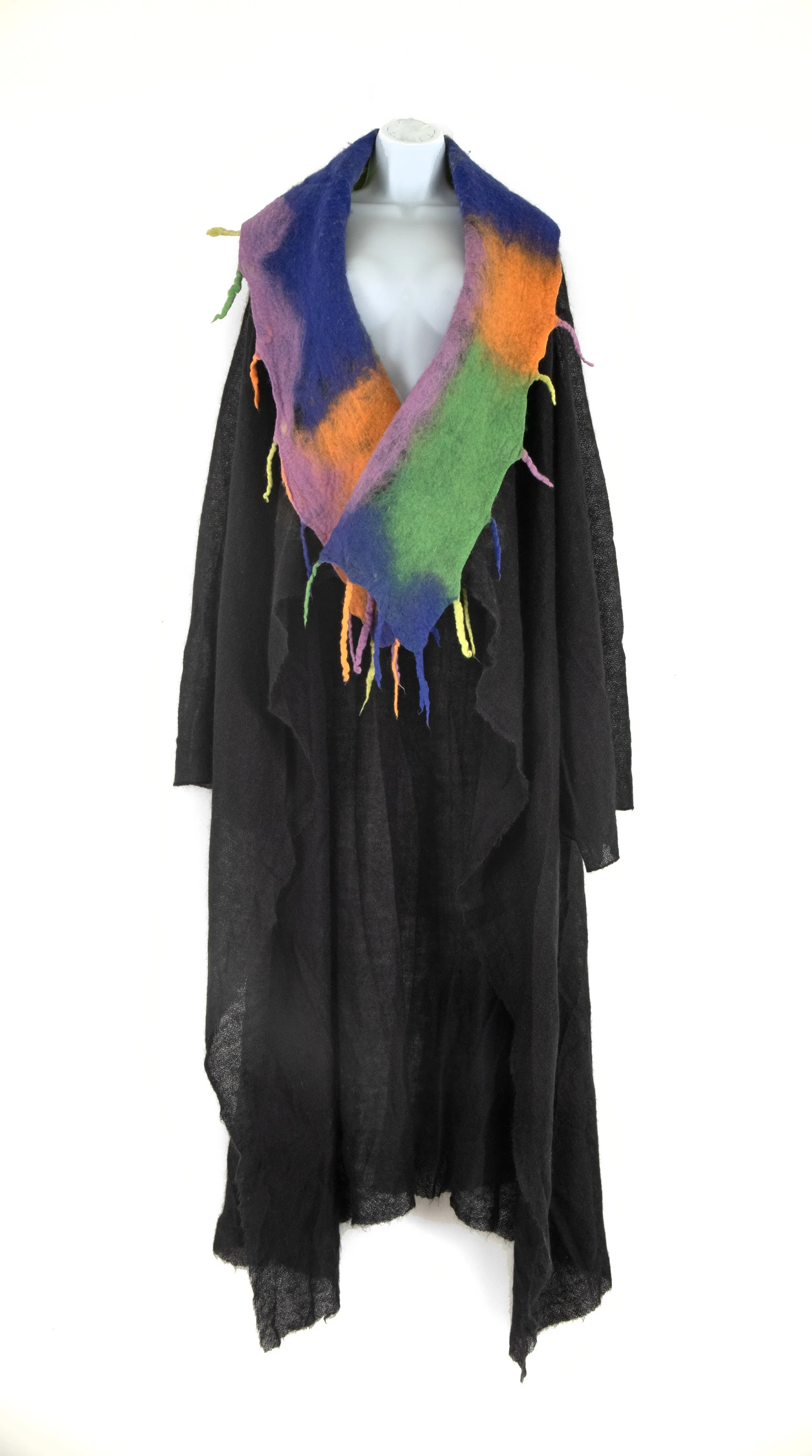
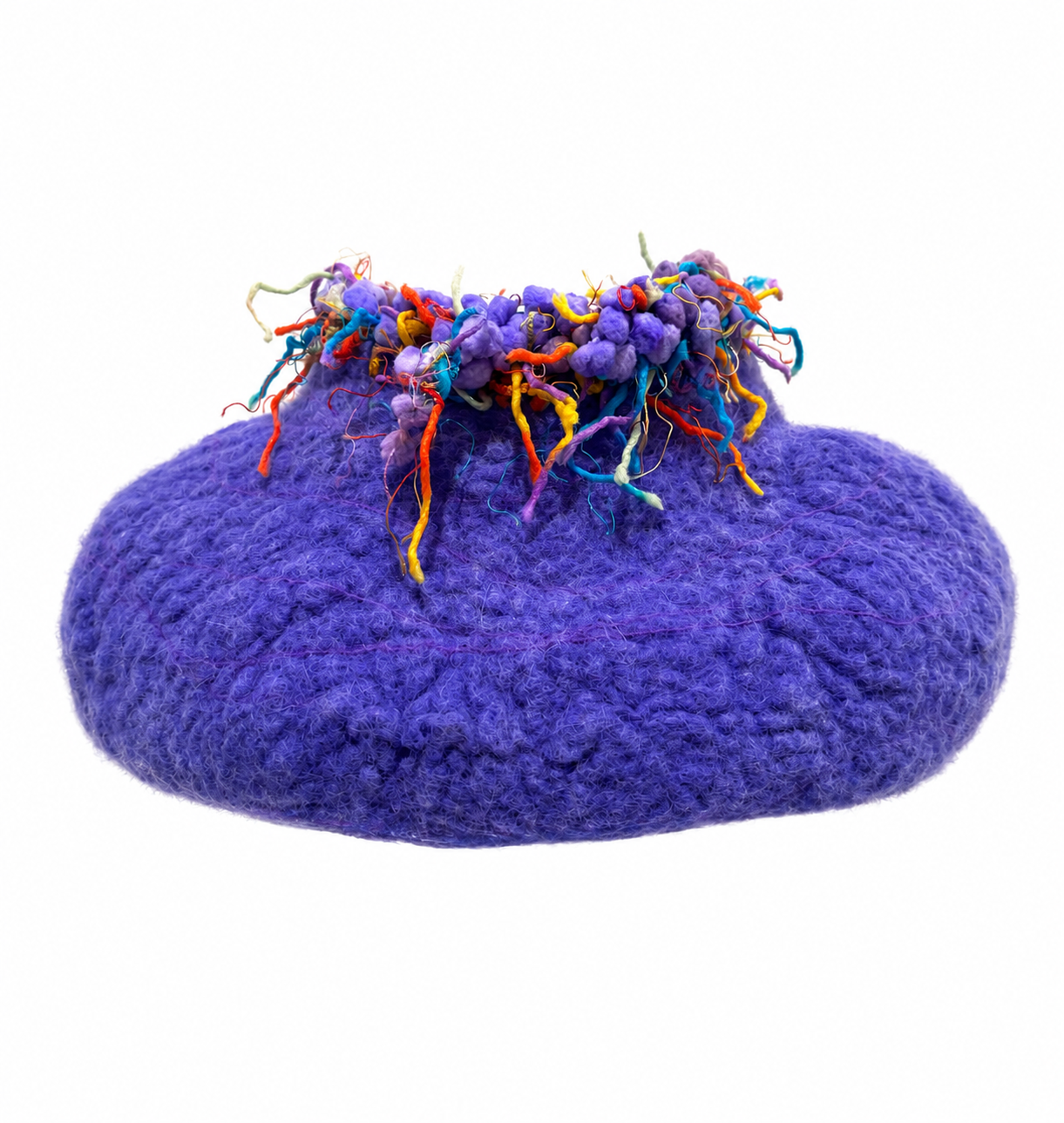
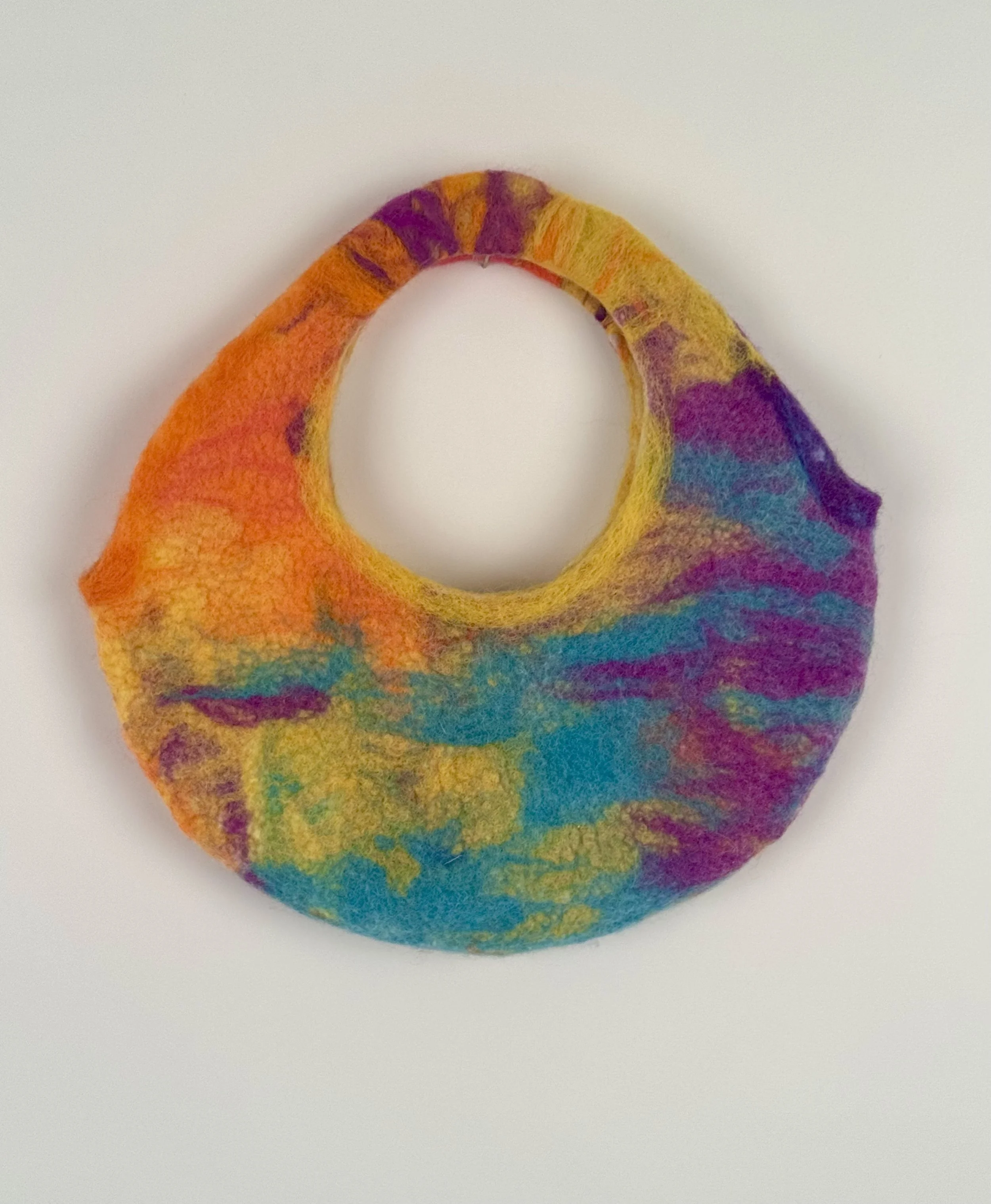
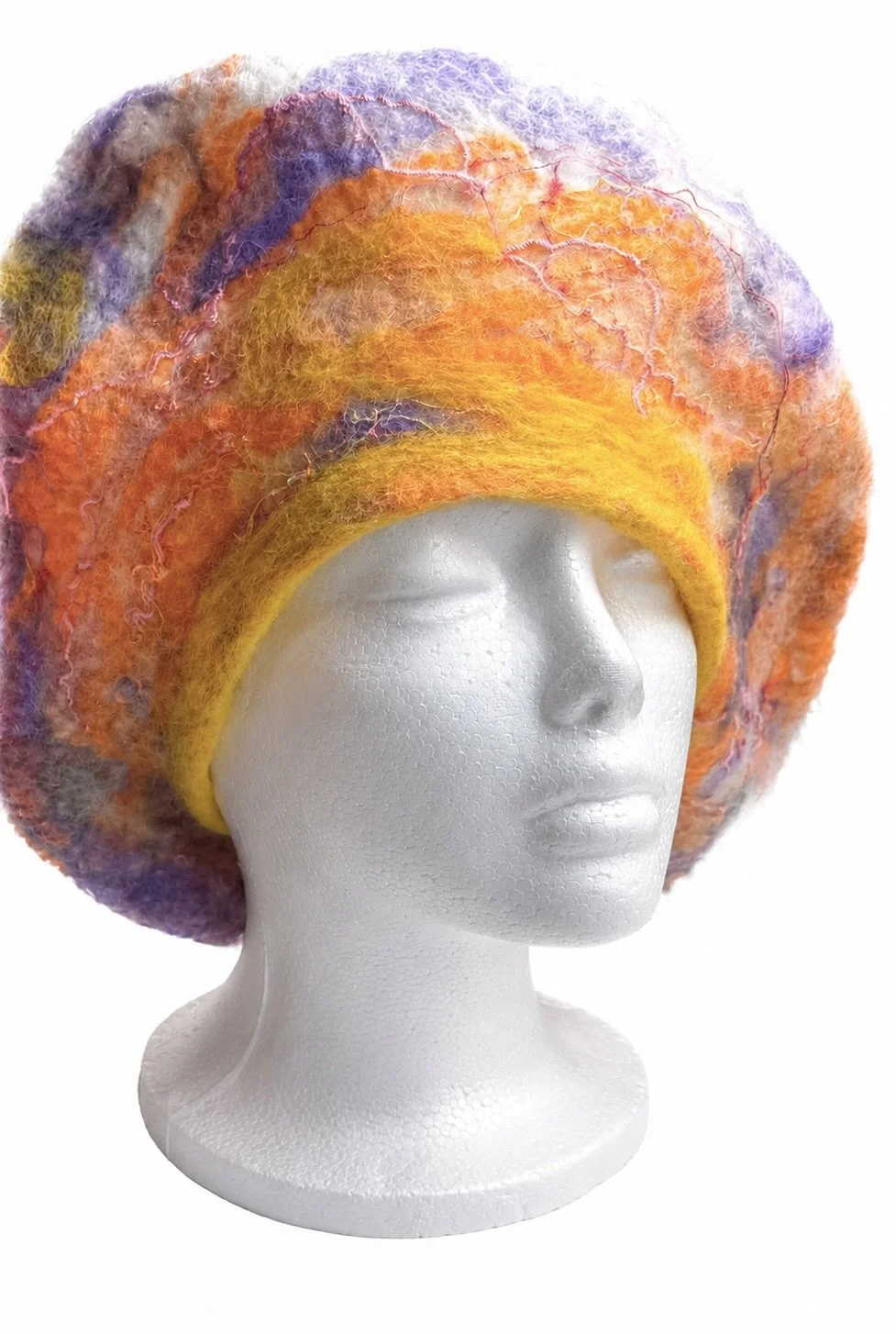
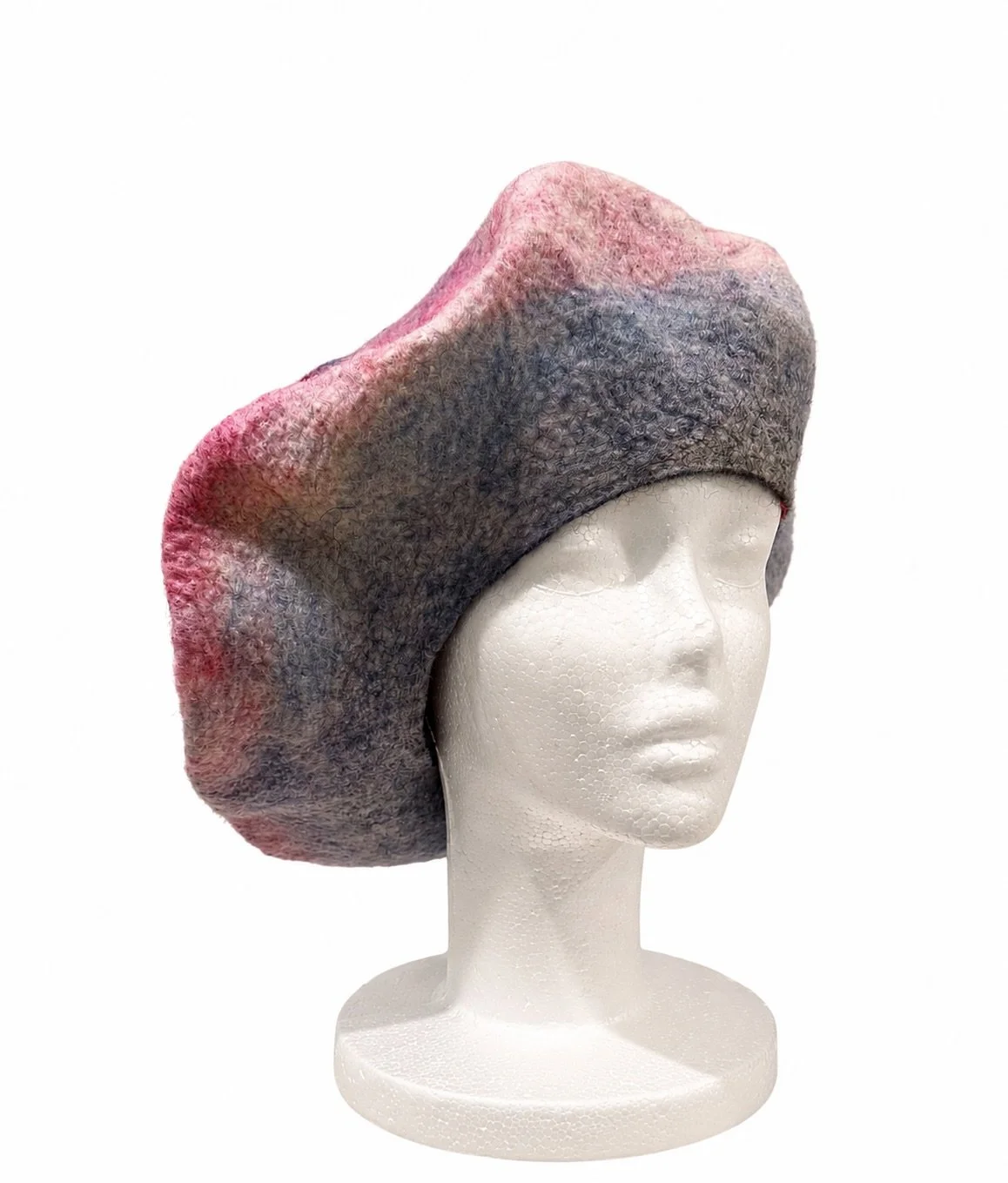
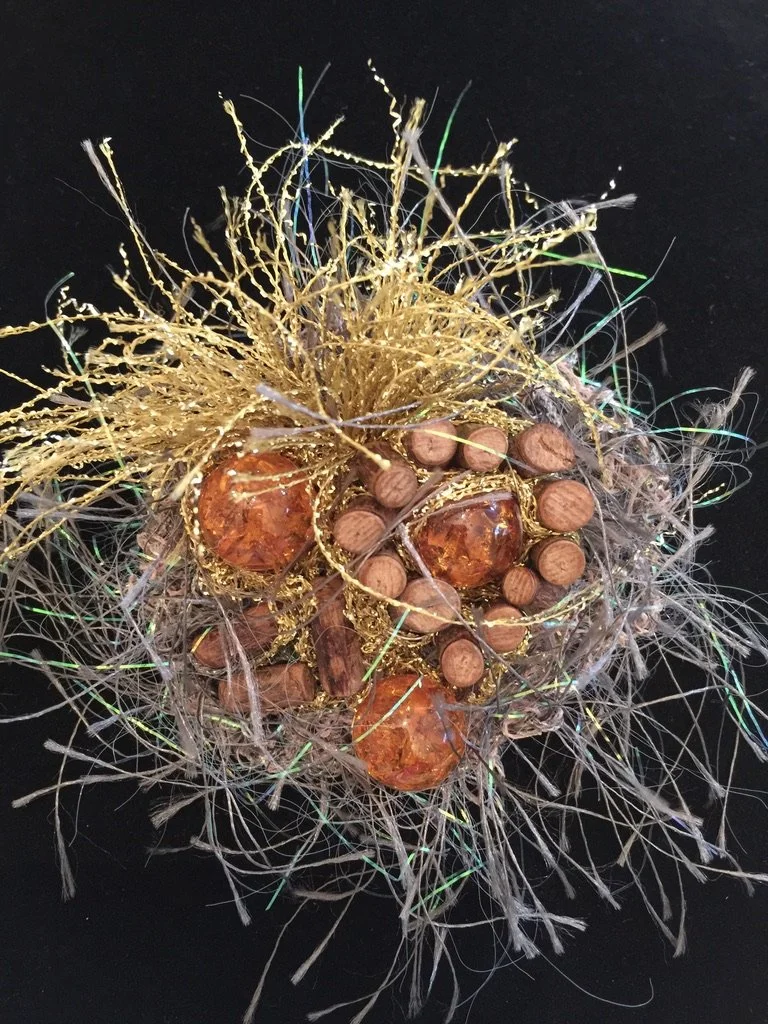
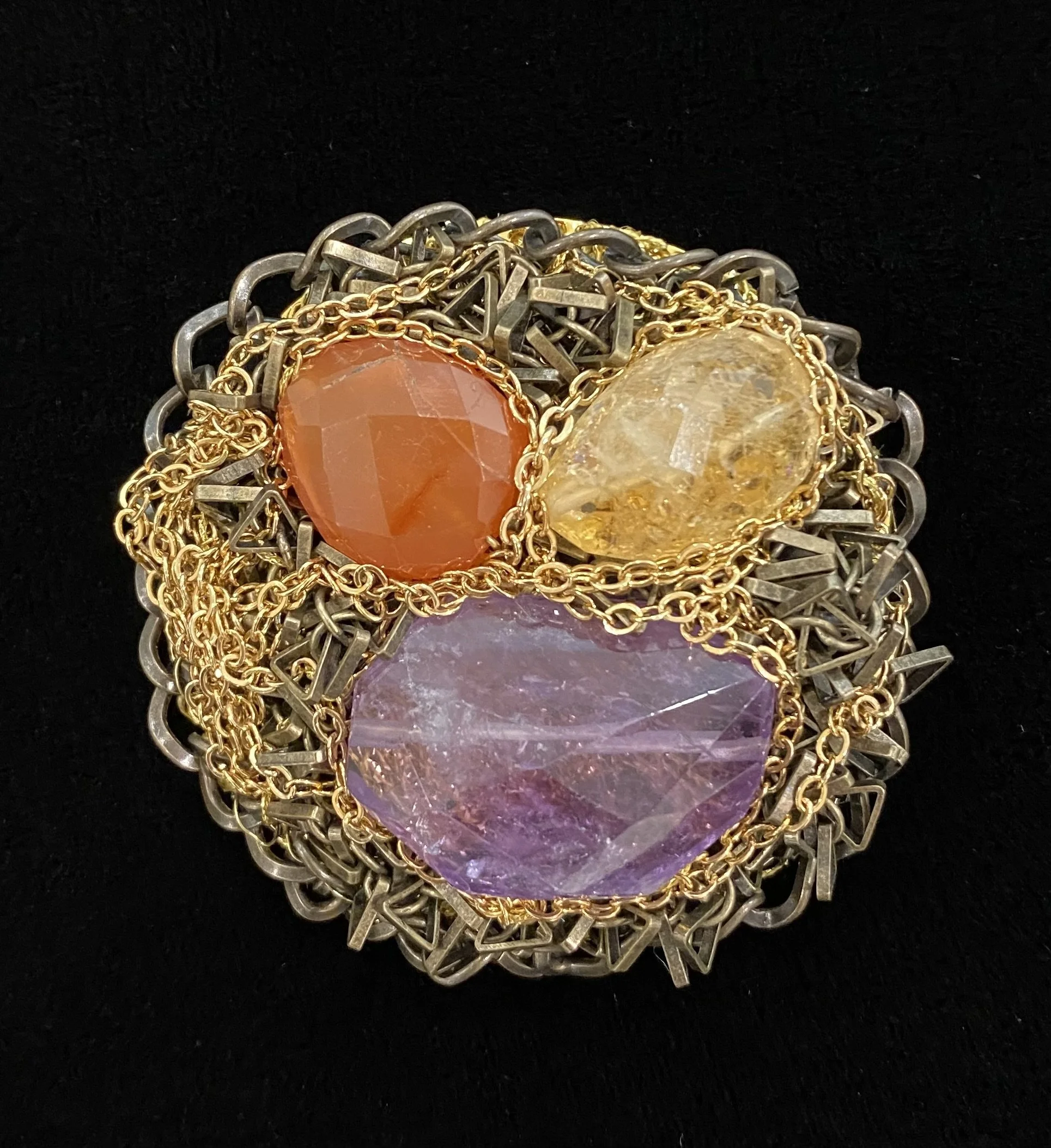
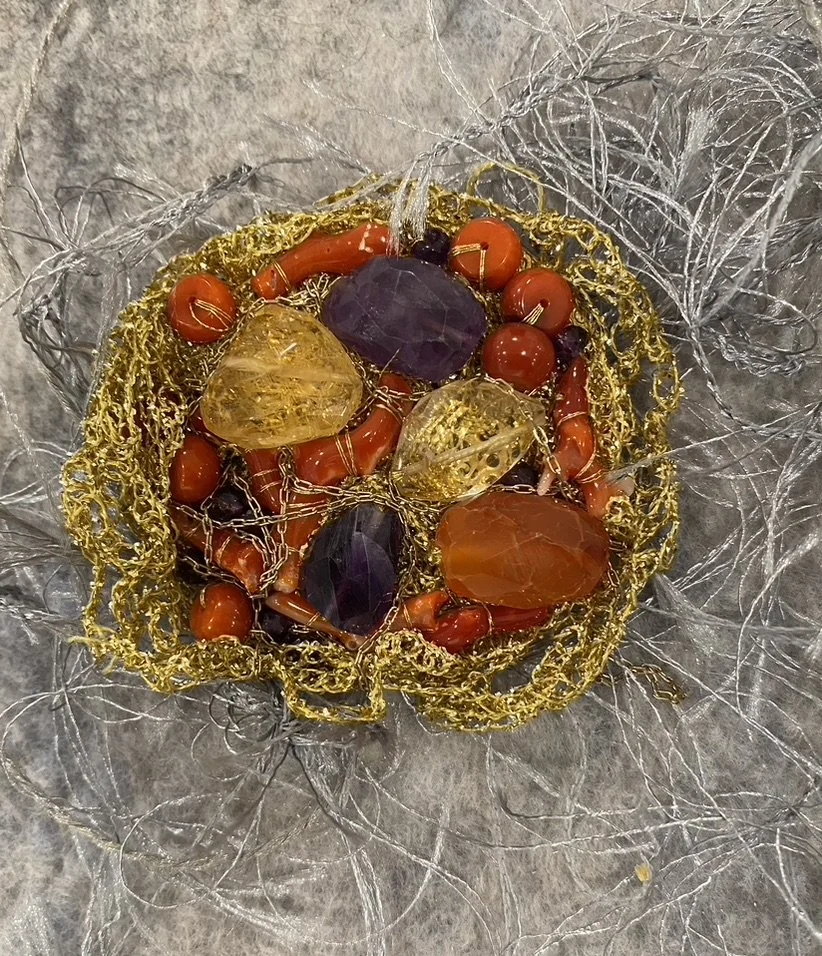
Her wearable artworks further extend this dialogue between art, fashion, and sustainability.
Created through hand felting, knitting, crocheting, and stitching, these sculptural garments
challenge the conventions of mass-produced fashion while embracing craftsmanship and
mindful living. Designed as adaptable and layered forms, they reflect a sustainable
approach to both making and wearing.
Ultimately, her work invites viewers to slow down and reconnect with the natural world.
Through material, light, and touch, she seeks to cultivate a deeper appreciation for nature's
rhythms and to encourage a way of life grounded in respect, stewardship, and enduring
connection.Munjado of Minsun Oh Mun
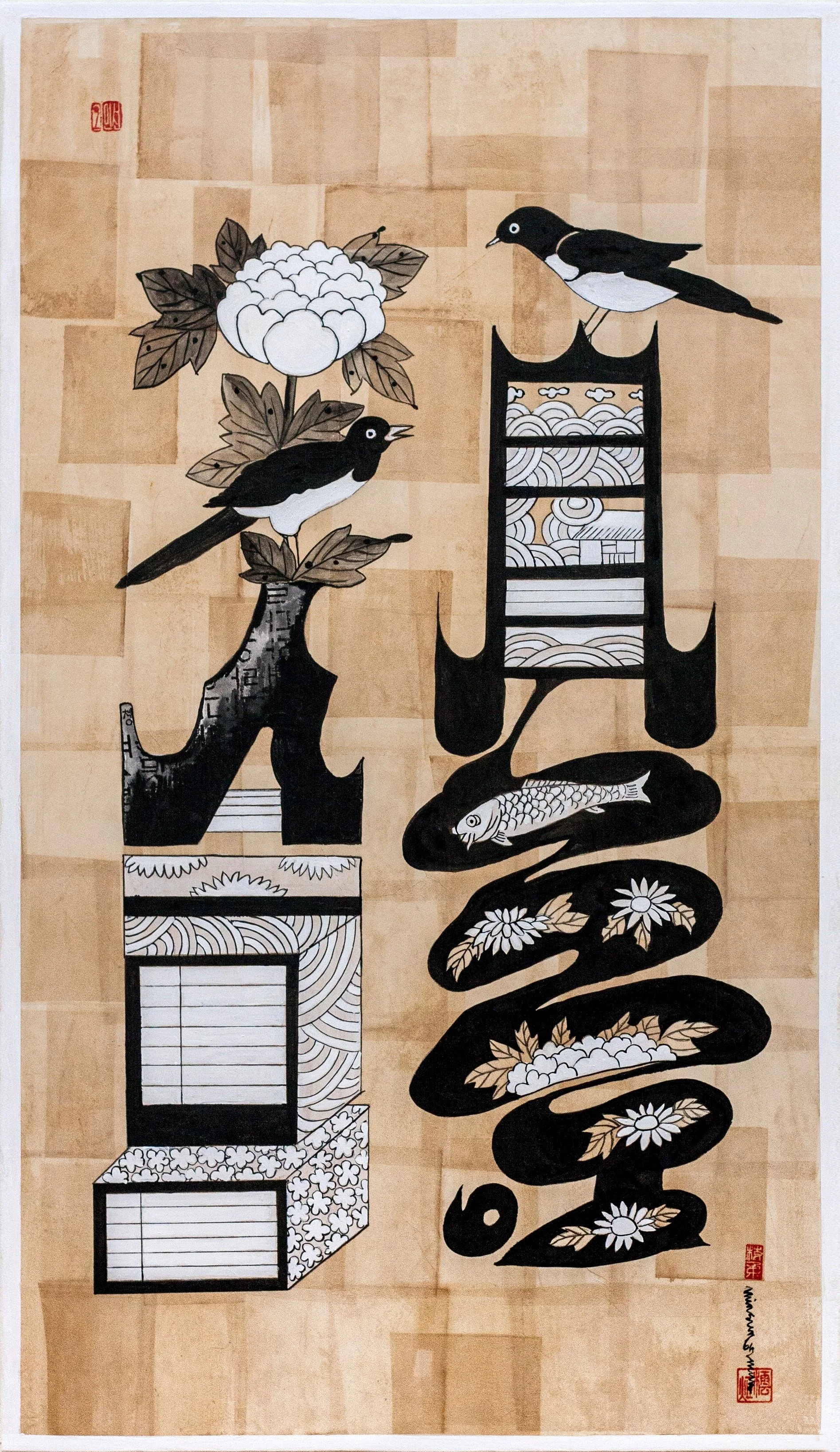
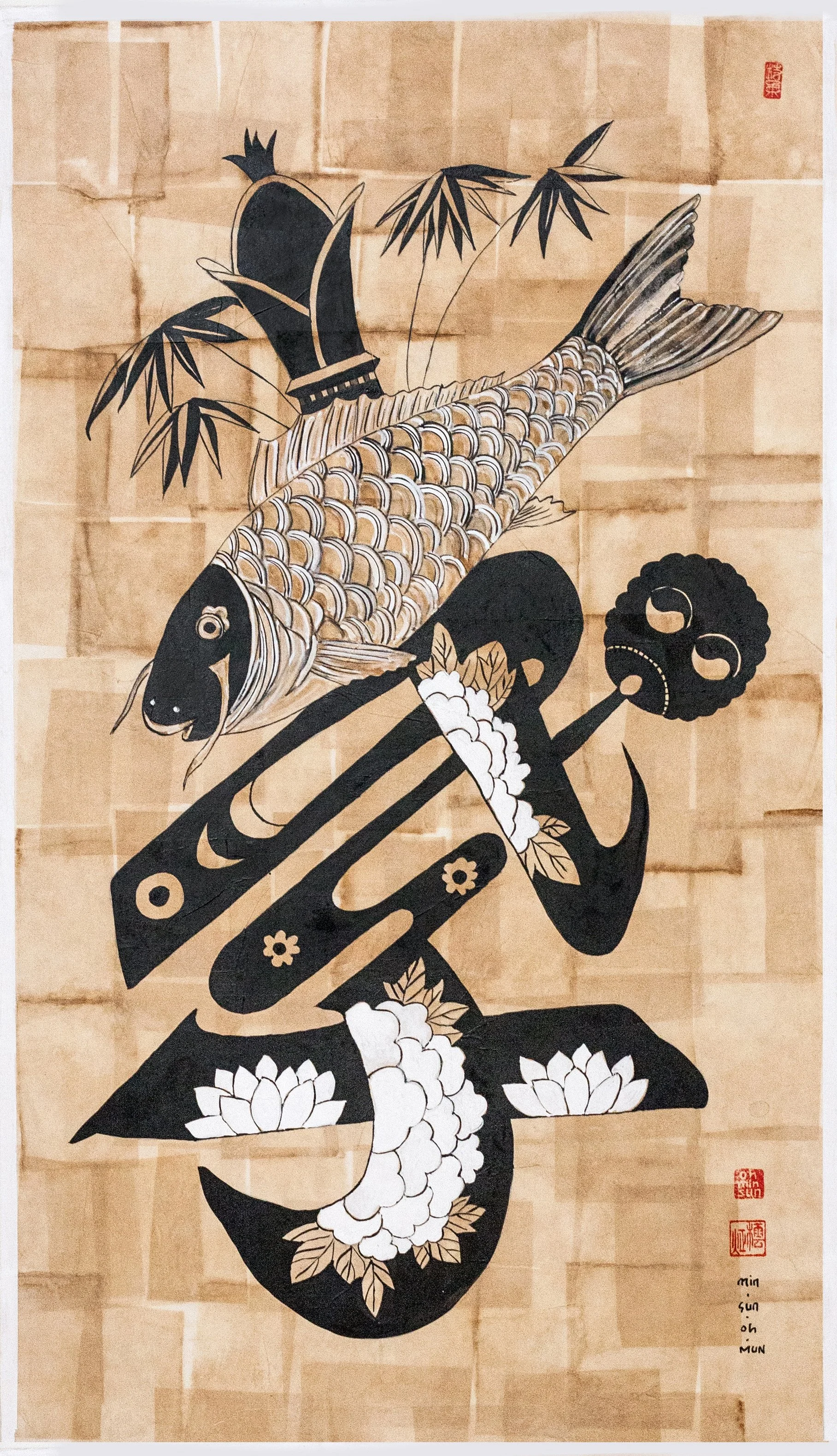
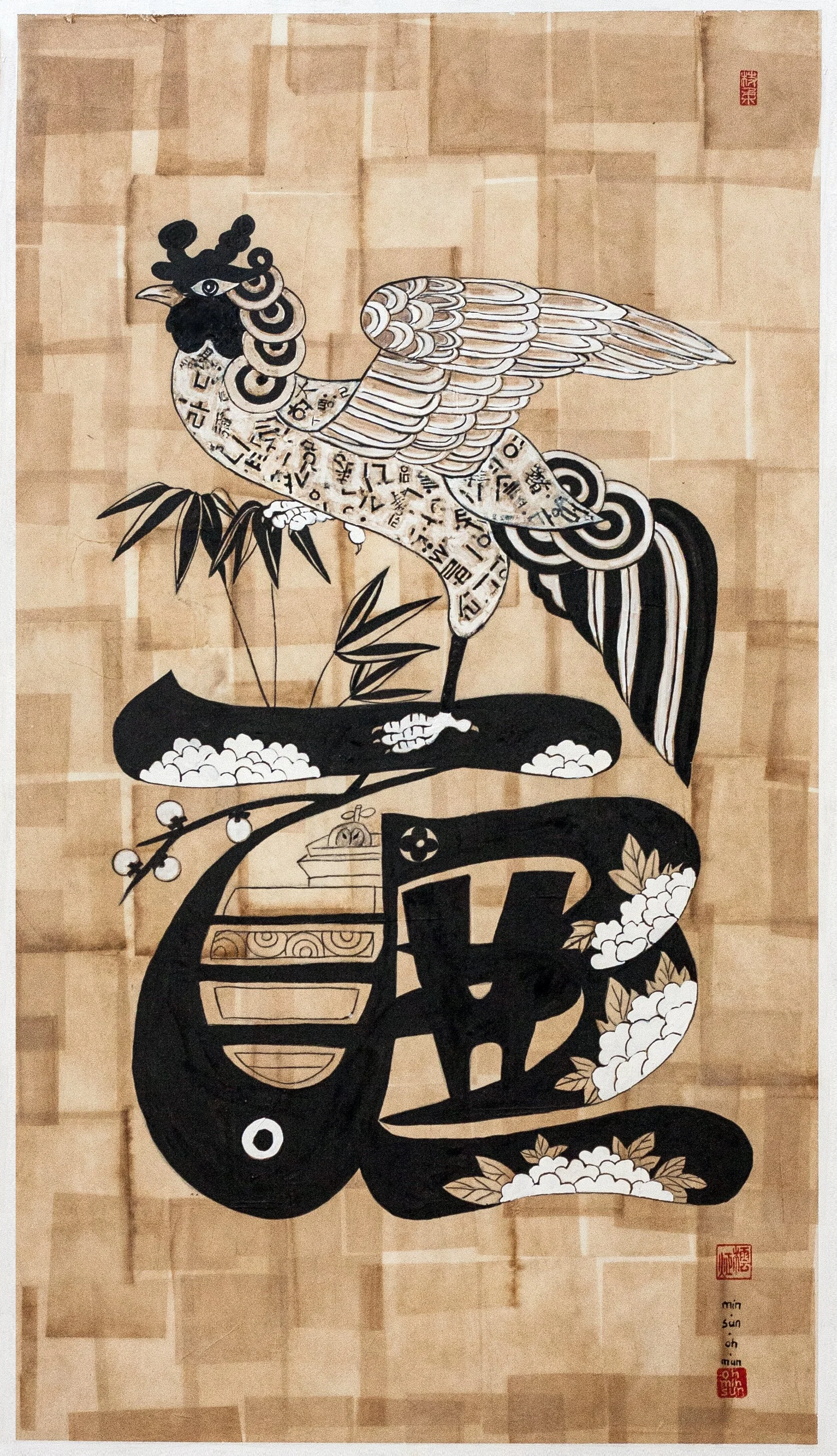
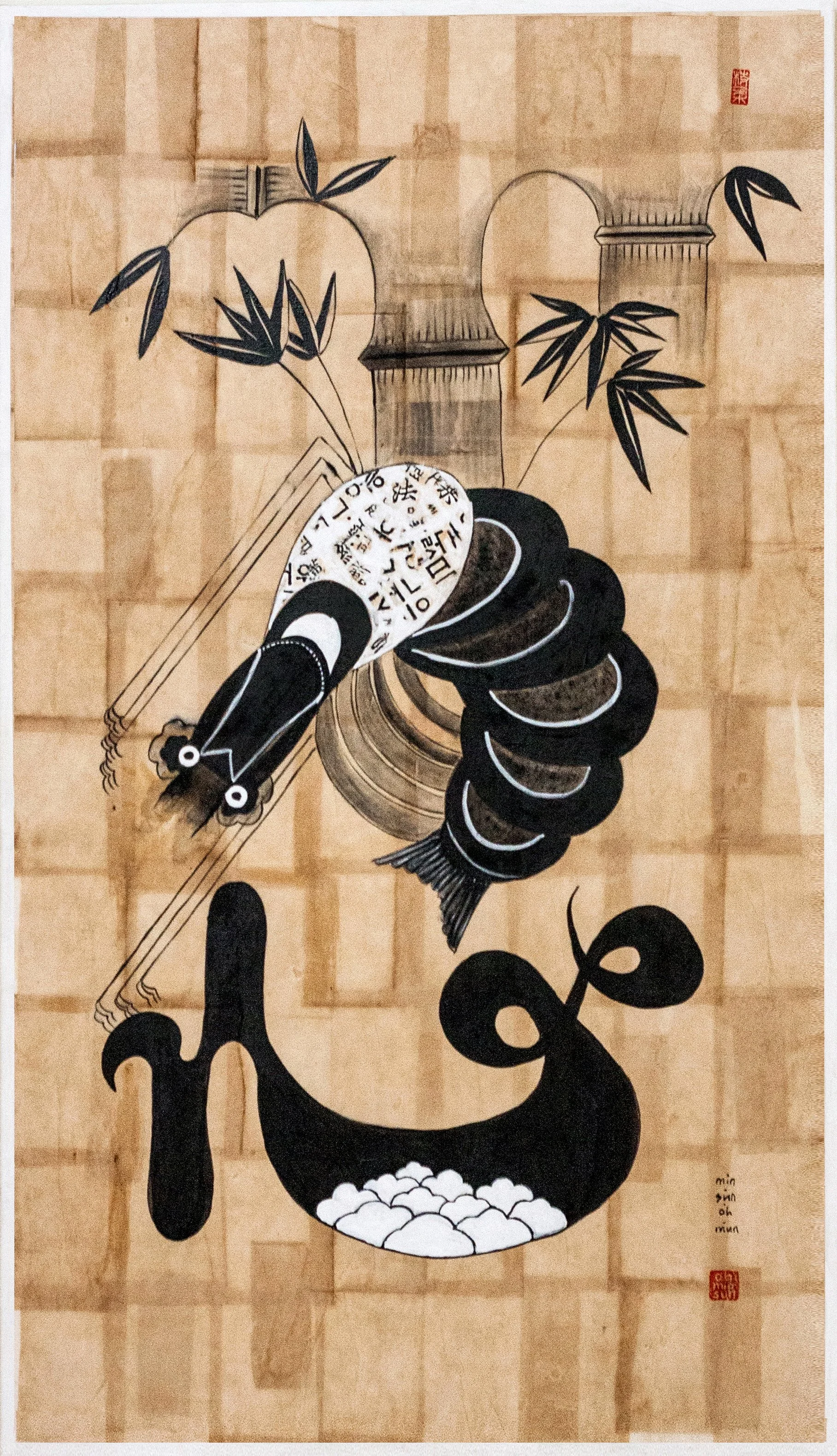
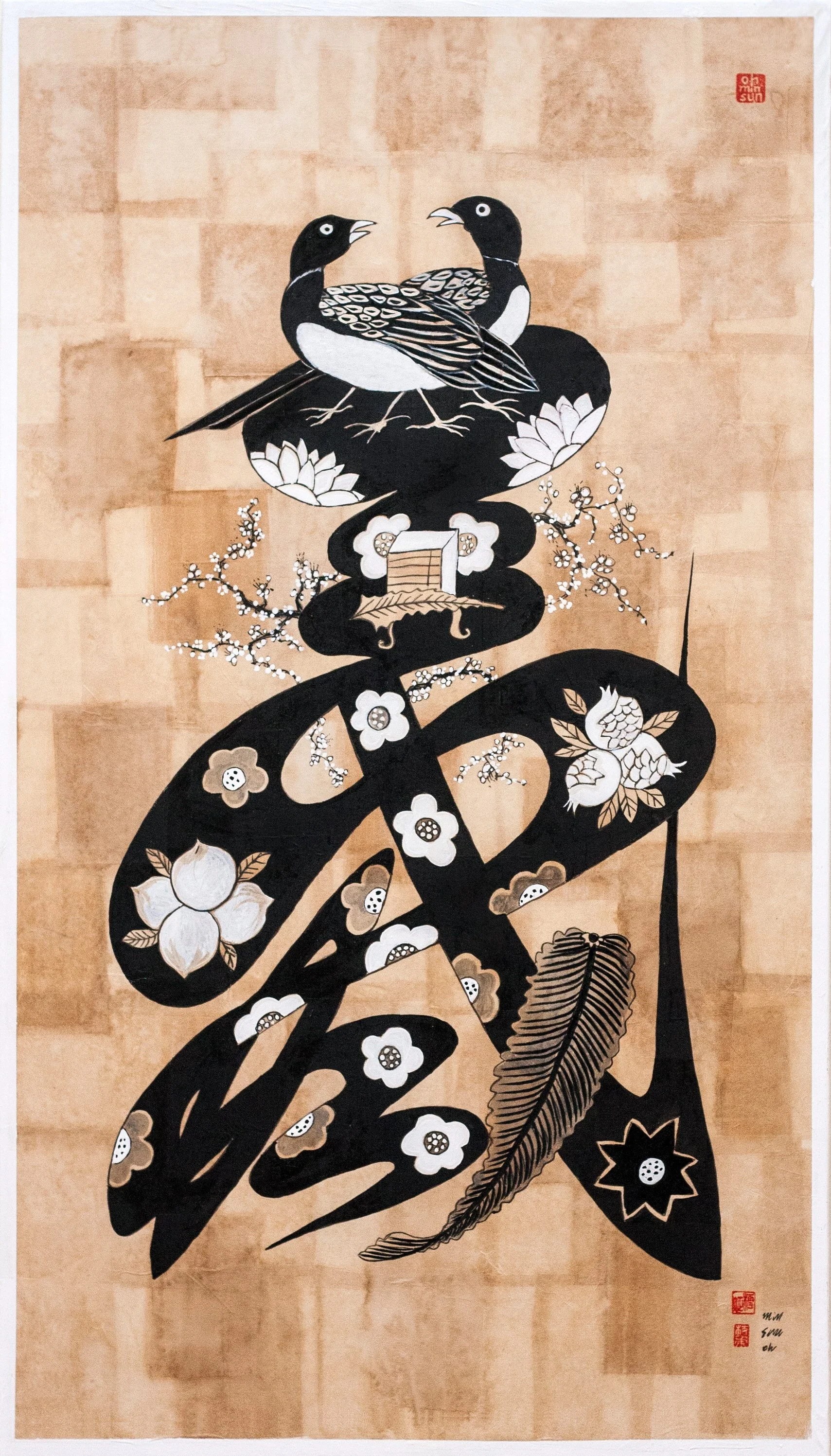
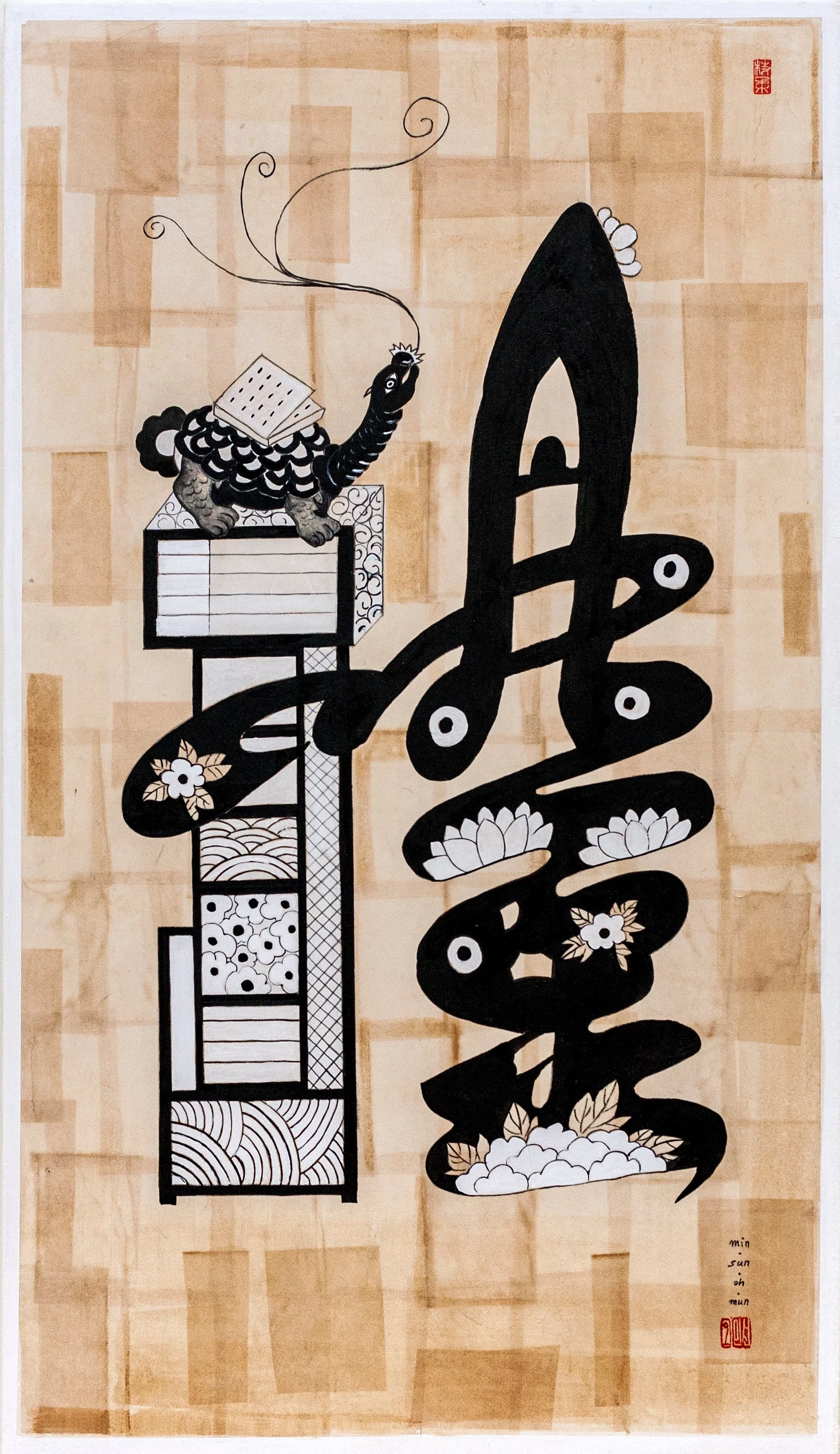
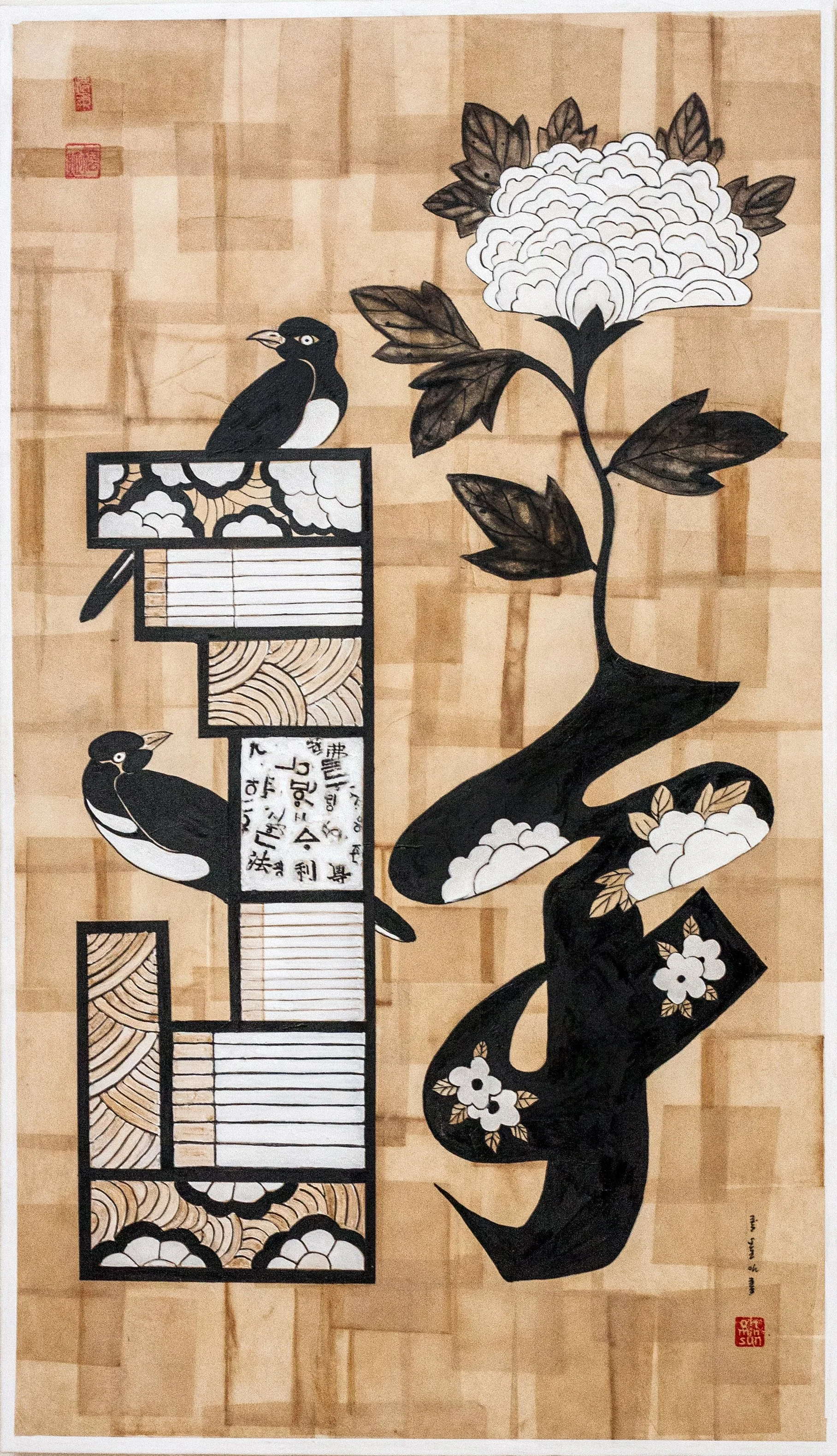
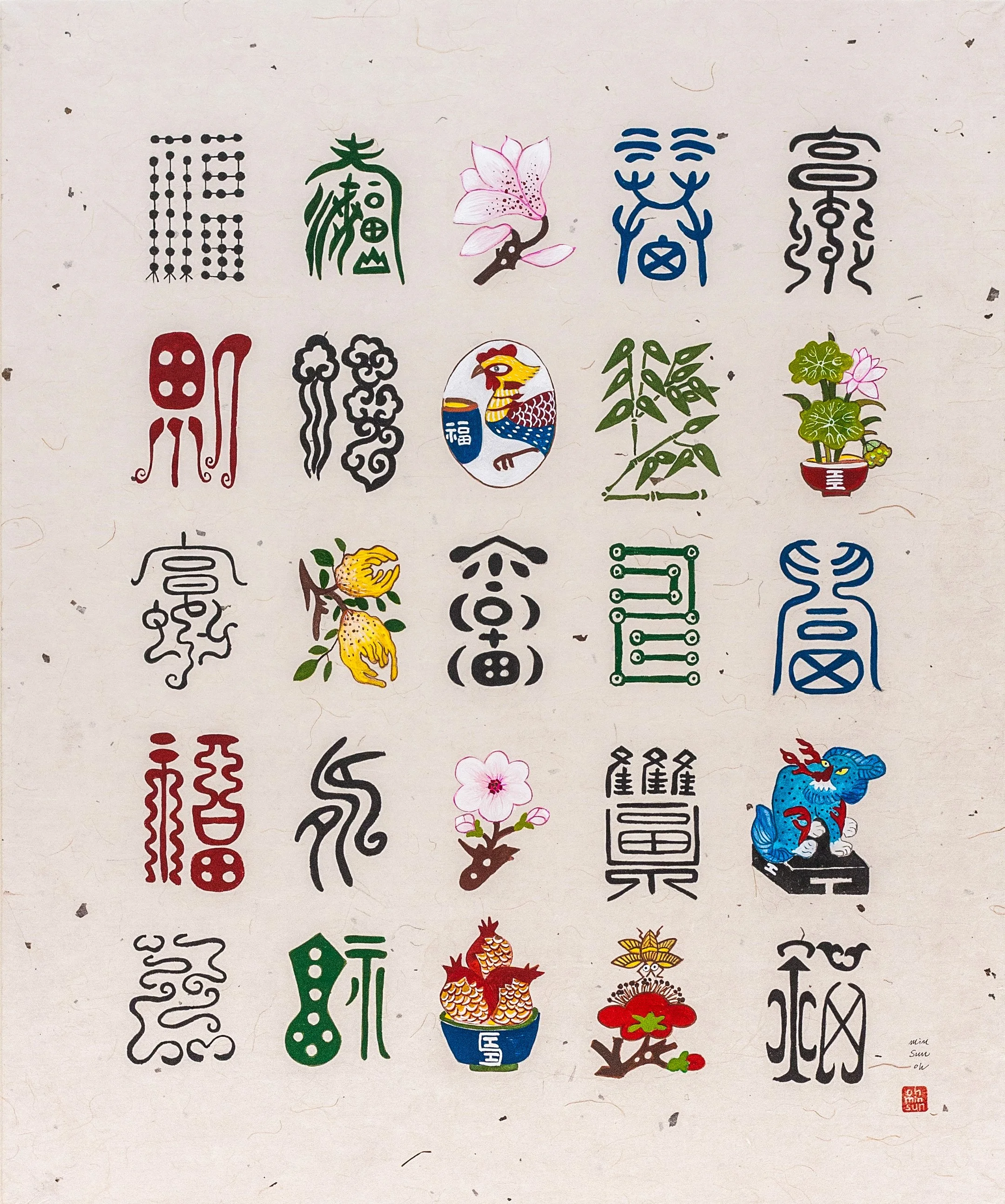
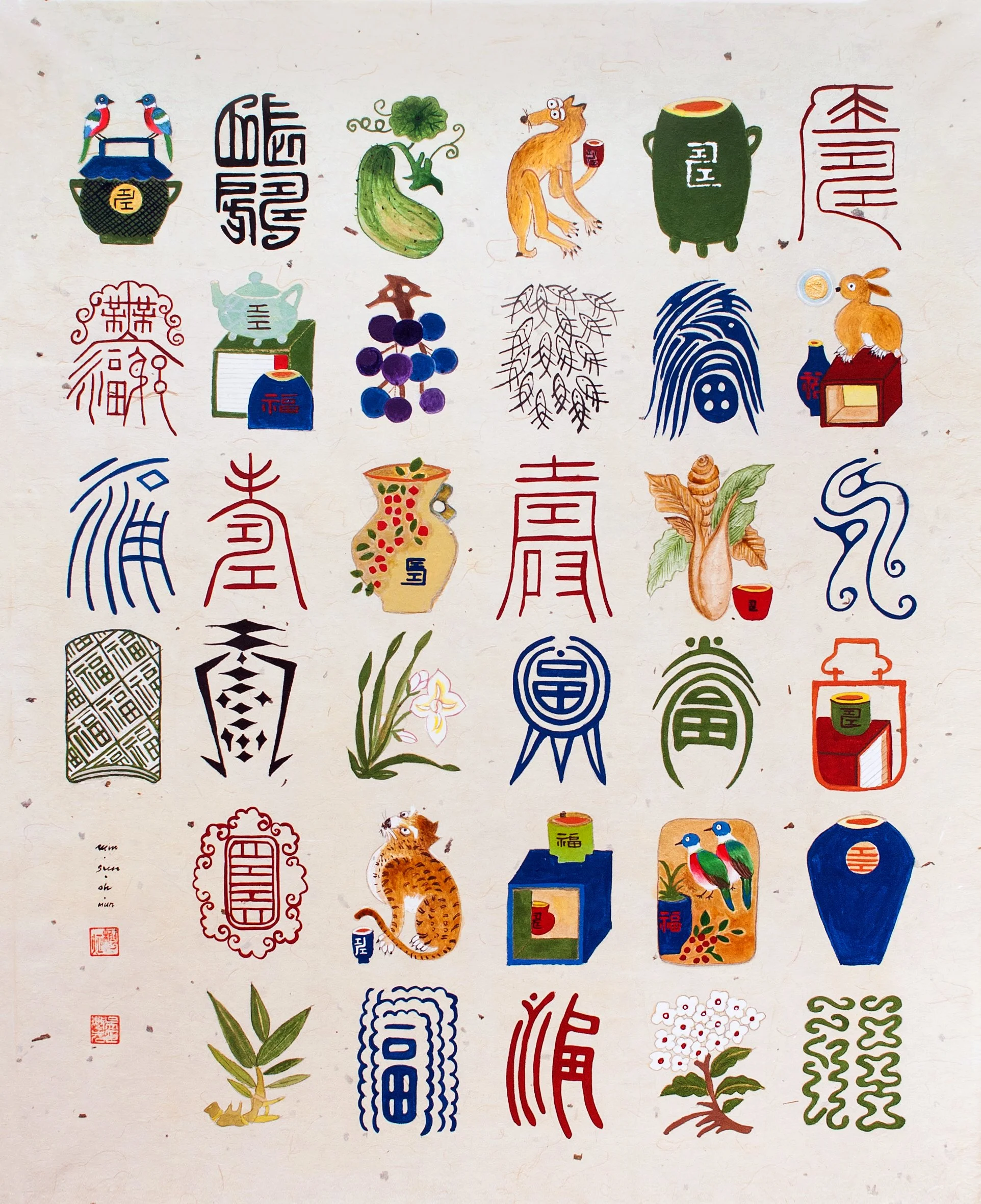
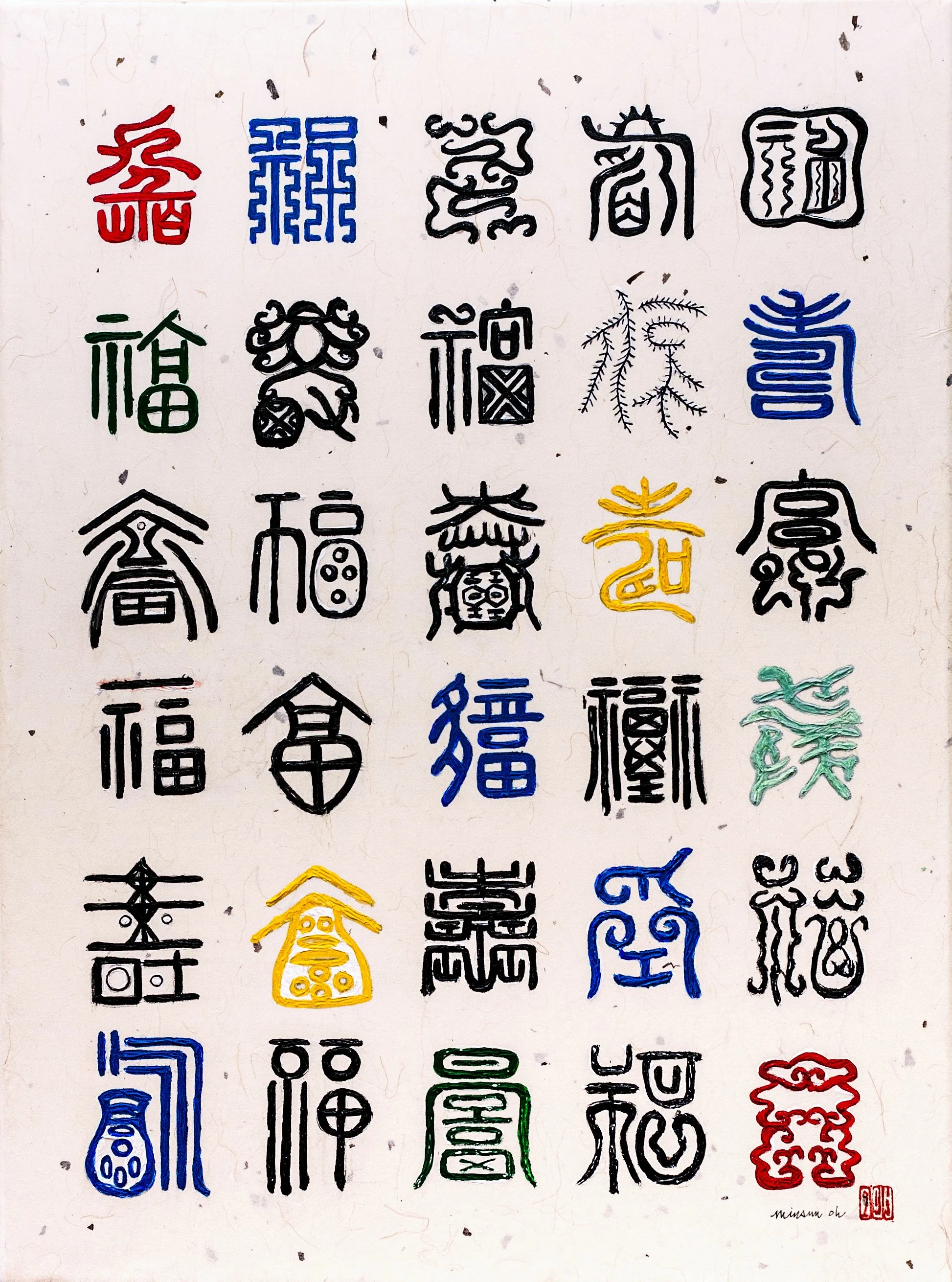
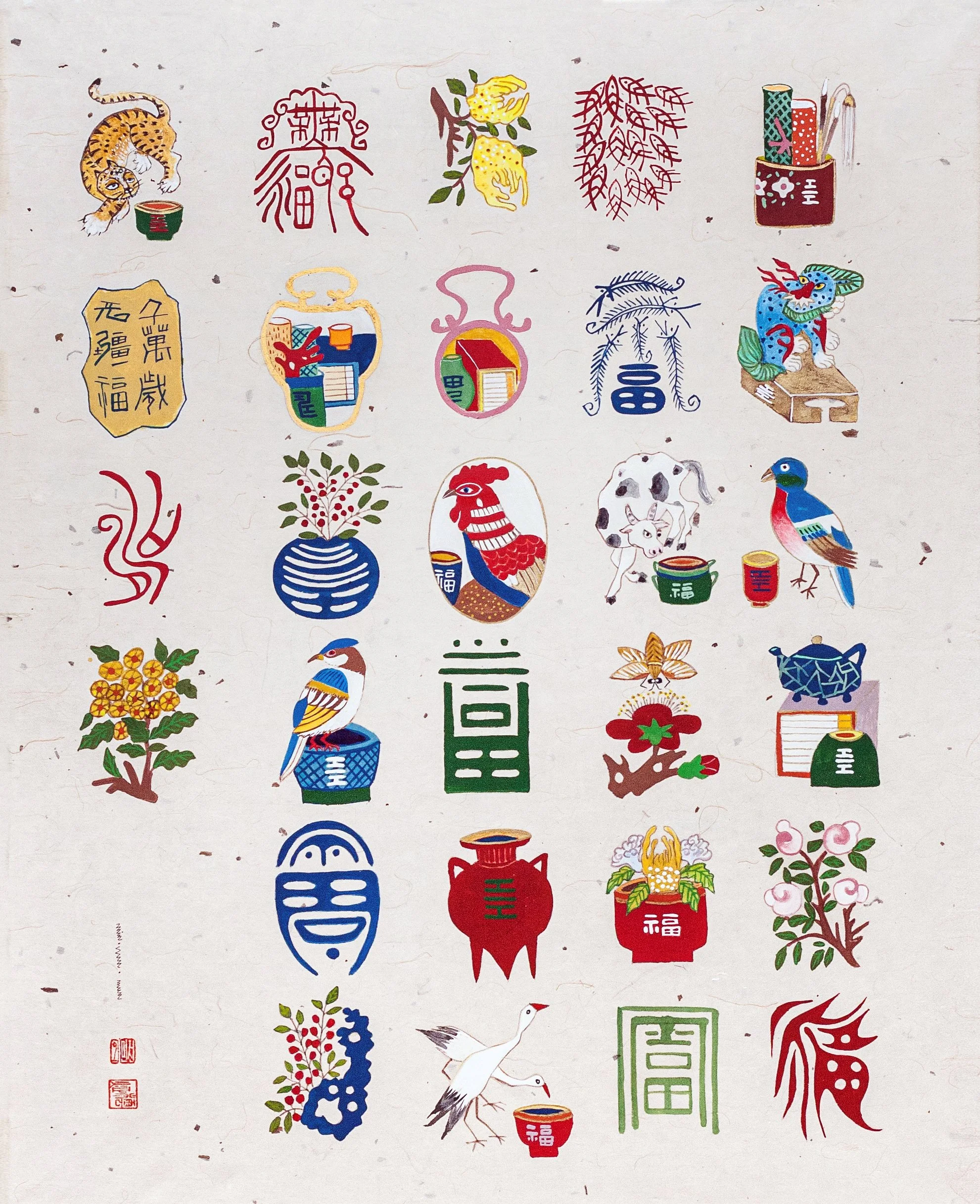
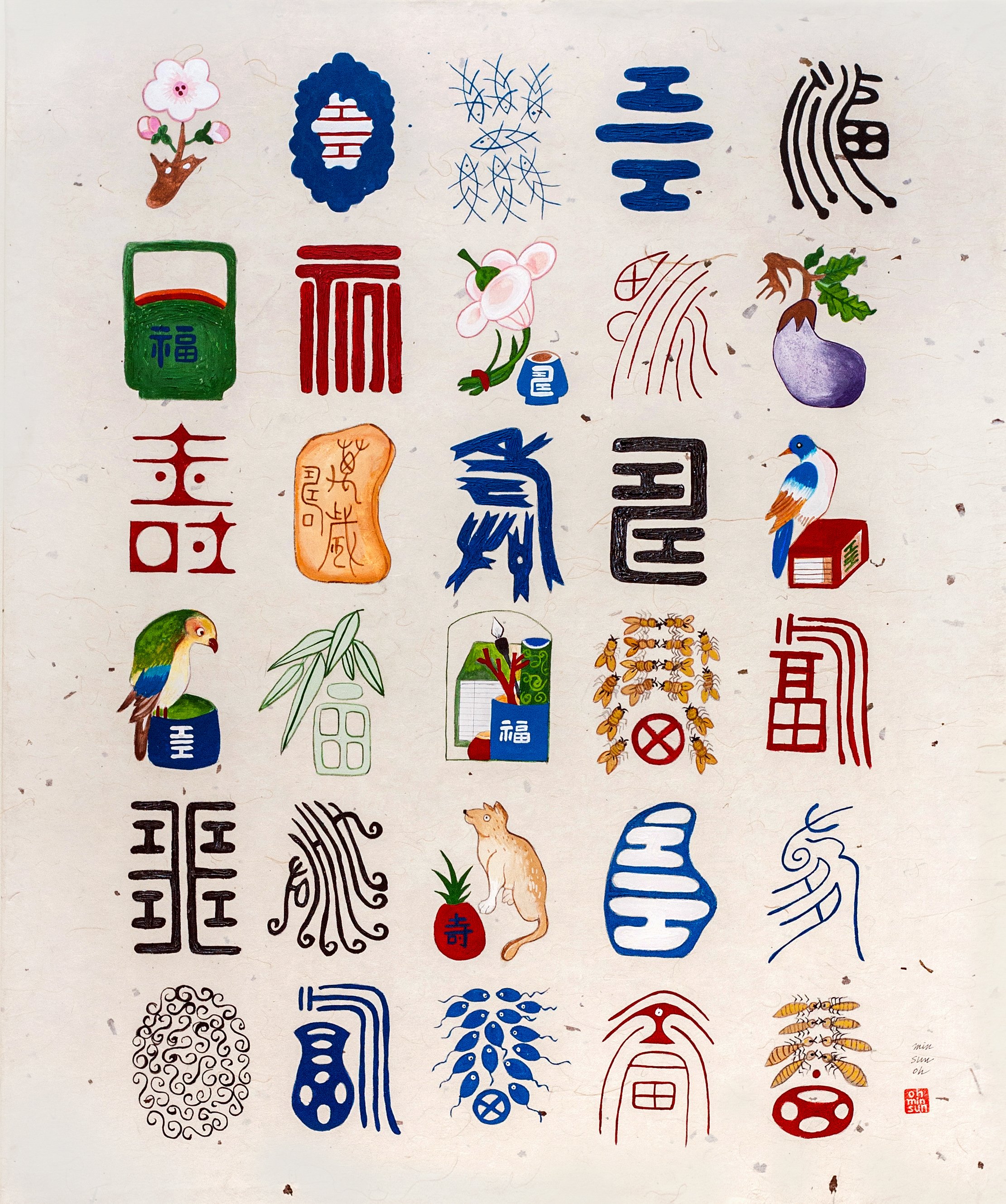
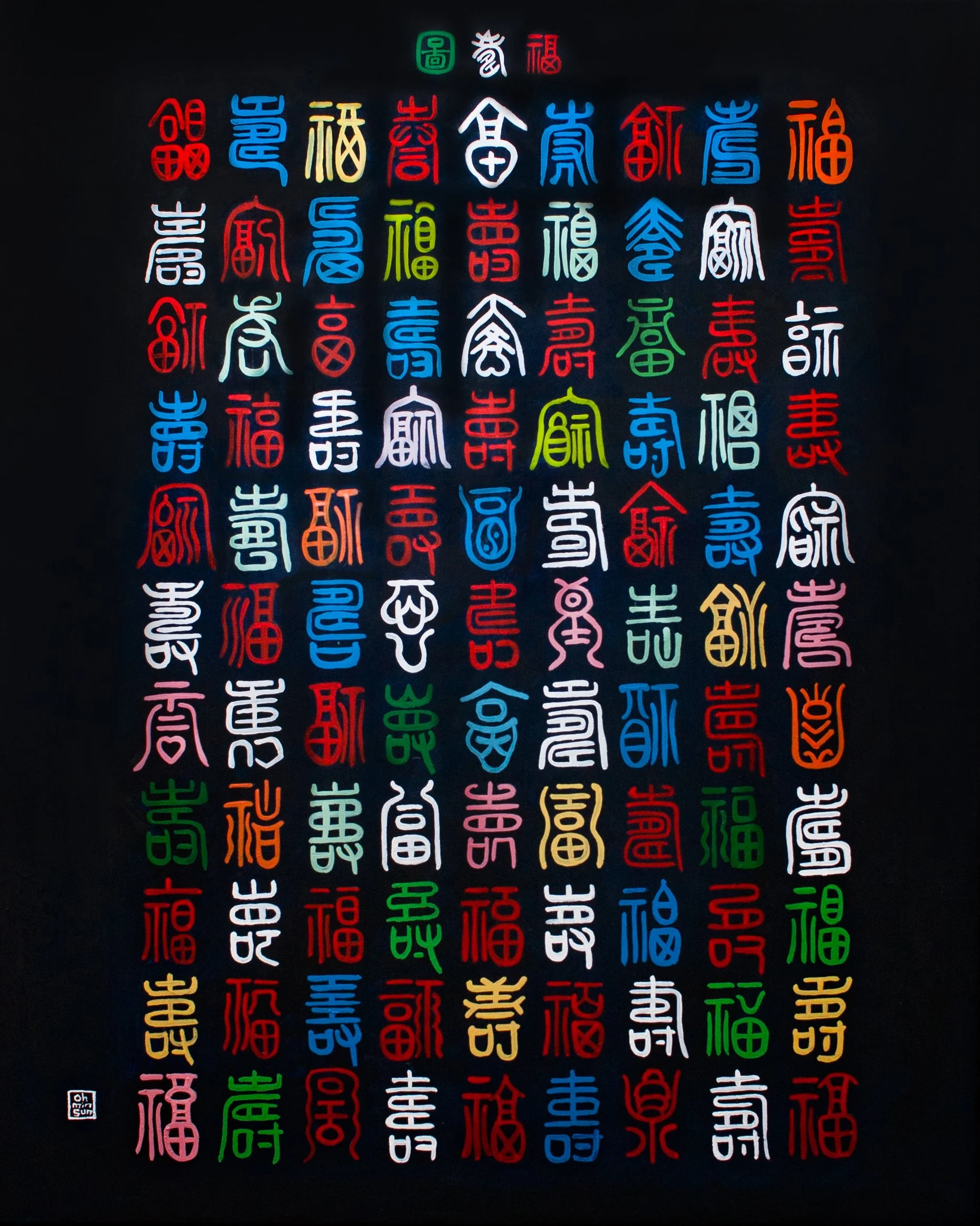
Minsun Oh Mun's Munjado (paintings of Korean and Chinese characters) draws inspiration
from Korea's rich folk painting tradition while offering a contemporary interpretation of its
visual and spiritual heritage. Rooted in Korean minhwa (folk painting), her work reimagines
characters associated with blessings—such as longevity, prosperity, happiness, filial piety,
and good fortune—as poetic images that embody cultural memory, hope, and human
connection.
Historically, Munjado flourished during Korea's Joseon Dynasty as decorative paintings
displayed in homes or given as gifts to convey wishes for health, harmony, and prosperity.
More than ornamental objects, they were believed to possess auspicious and protective
powers. In Korean folk traditions, language itself carries symbolic and spiritual
significance, transforming written characters into visual talismans that invoke blessings
and ward off misfortune.
Building upon this tradition of "painted writing," Mun expands the possibilities of Munjado
through contemporary materials and techniques. She incorporates collage technique using
hanji (traditional Korean mulberry paper) and layered mixed media including lacquer to
create richly textured surfaces and subtle relief-like forms. These tactile qualities invite
viewers to experience the work not only visually but also through an imaginative sense of
tactility.
Drawing from the vibrant palette of Korean folk painting and calligraphic tradition, she
employs luminous and celebratory colors that evoke vitality, joy, and spiritual abundance.
The interplay of color, texture, and calligraphic form transforms each character into a
contemporary icon of blessing.
By reinterpreting traditional symbols through contemporary artistic vocabulary, Minsun Oh
Mun revitalizes the cultural and spiritual significance of Munjado for today's audiences. Her
work celebrates Korean cultural heritage while expressing universal wishes for well-being,
happiness, and prosperity.